The Story
Why it exists.
The beginning
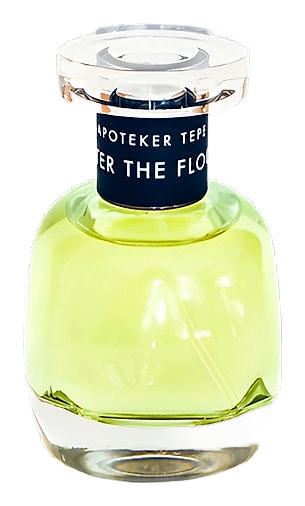
After the Flood arrived in 2015. The name suggests a clearing. Something receded. Something else is beginning to stir in the damp left behind. The fragrance takes the sensory reality of post-rain earth and renders it into something wearable. The smell of soil and water and growing things contains something clean, something that belongs to renewal rather than decay. The composition opens with wet mineral earth and a faintly ozonic quality, as if the air itself has shifted. There is greenness here, but not the bright, sharp green of fresh-cut stems. This is the deeper, darker green of moss and decaying leaves, still alive but heavy with moisture. As the fragrance develops, the initial brightness softens into something more grounded.
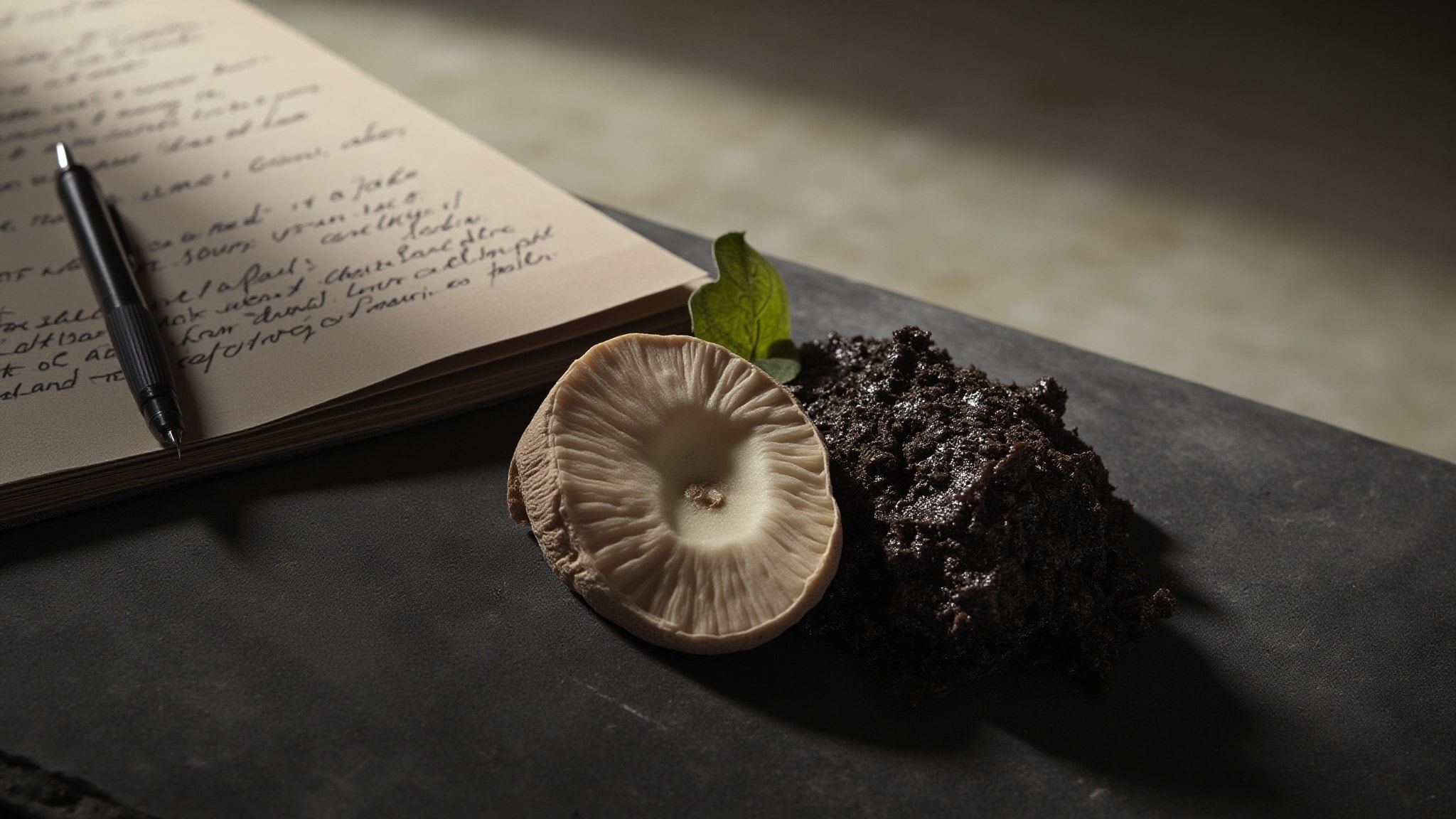
The violet leaf absolute is doing unusual work here. In most fragrances, violet leaf appears as a green accent, fresh, fleeting, there to lift something brighter. In After the Flood, it flickers in and out over hours. The effect is less a linear arc and more a pulse, green brightness arriving unpredictably, then retreating into the earthiness below. The mushroom note, listed as Boletus edulis, the porcini, doesn't read as food. There's no nutty warmth, no umami richness in the culinary sense.
The evolution
The opening hits quickly, wet earth and something almost ozonic, the smell of pressure changing before rain. Water lily arrives within the first minutes, drifting upward from the darker base like something surfacing. The transition to the heart is smooth but not gradual: there's a clear hand-off around the thirty-minute mark where the ozonic quality recedes and the mushroom-earth axis takes over. The heart is where After the Flood makes its strongest case. This is where the damp loam, moss, and earthy patchouli establish themselves, creating a landscape that smells genuinely of the forest floor after rainfall. Violet leaf continues its intermittent appearances throughout, small green interruptions that keep the composition from flattening into pure darkness. These moments of brightness arrive unexpectedly, a reminder that life continues even in the dampest conditions.
Cultural impact
After the Flood has found an audience among those who seek something beyond conventional fragrance pleasures. It has been discussed in independent fragrance communities, where wearers return to it as a reference point for what earth and water can do together. The fragrance occupies a space that is difficult to describe without resorting to contradiction: aquatic but not aquatic, earthy but not heavy, clean but not clinical. These tensions are what make it compelling to those who have discovered it.