Holladay Saltz
Holladay Saltz approaches perfumery the way a sculptor approaches marble—deliberately, with deep respect for the material and an unwillingness to settle for the obvious shape. Born in North Carolina and raised across the Carolinas, Florida, and Mississippi, she absorbed the layered complexity of the American South before pursuing formal training in France, joining the rarefied ranks of professionally trained female perfumers. Her work at Apoteker Tepe from 2014 to 2018 established her reputation for fragrances that feel simultaneously personal and universal, as if she were translating private memories into scents anyone could recognize. In 2018, she stepped away to pursue other projects, and the line relaunched in 2022 under new stewardship. The pause, it seems, was part of a longer arc—one that prioritized creative evolution over commercial repetition. Today she continues developing new work, remaining one of the few professionally trained noses who also runs her own perfume house.
The hits
Notable creations
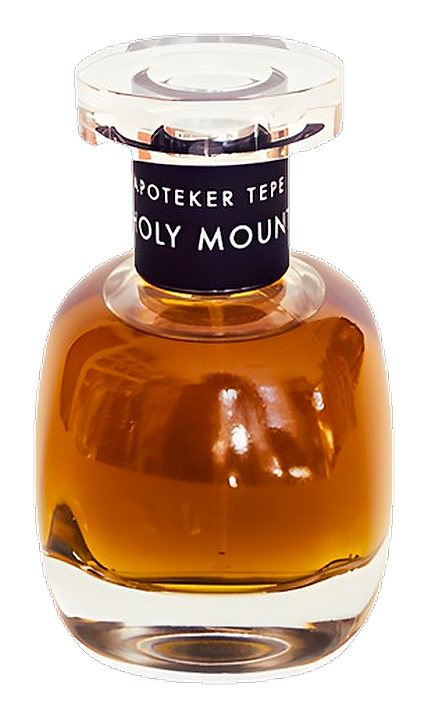
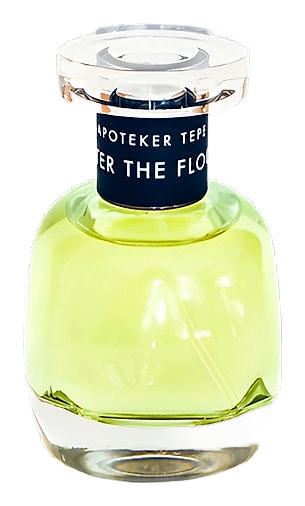
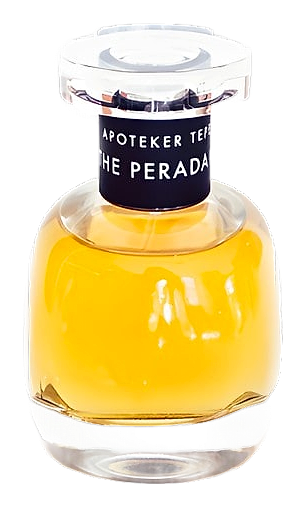
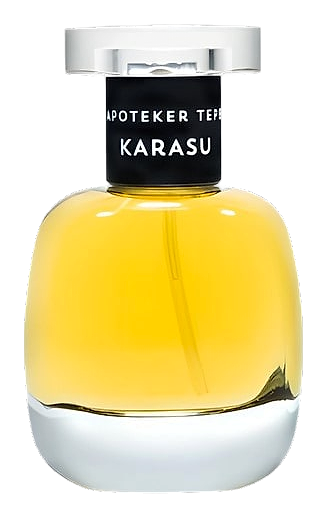
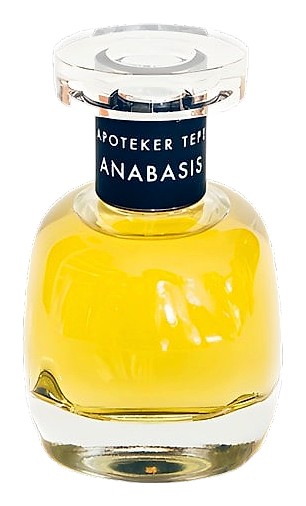
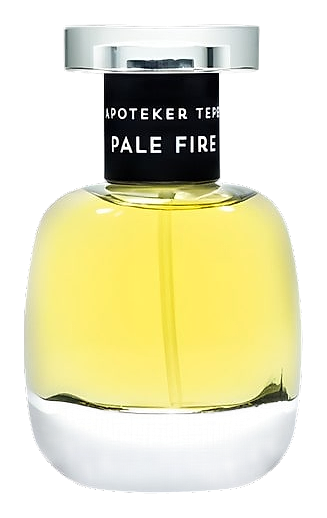
The signature
How Holladay composes
Saltz favors materials with history—oud, resins, heavy florals—then places them in contexts that feel entirely contemporary. Her compositions often feature an initial intensity that softens into something more intimate, creating a narrative arc within a single wearing. She uses contrast as a structuring principle, pairing bright citrus with deep base notes, or fresh green facets against warm animalics. The result feels like a conversation between old and new, where neither side dominates. Texture matters as much as notes: she's interested in how a fragrance feels on skin, not just how it smells.
Philosophy
What drives Holladay
For Saltz, perfumery is a form of translation—she takes invisible experiences and makes them tangible. She works without a predetermined outcome, letting materials guide her toward unexpected territories. She believes a fragrance should ask something of the wearer, should linger after the initial spray as a question rather than an answer. Her creative process is collaborative in the truest sense: she negotiates with her materials until they reveal what they want to become. This philosophy extends to how she views her role in the industry—she's less interested in trend-setting than in contributing work that feels necessary, work that earns its place on skin.
The houses
Maisons Holladay composes for
In the same league