




Heritage
A house, in its own words
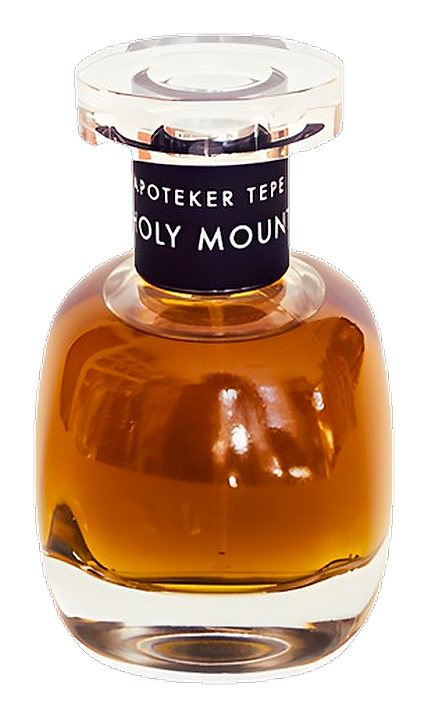
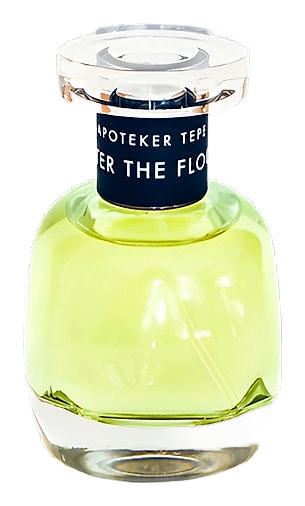
Holladay Saltz established Apoteker Tepe in 2014, initially operating from Harlem, New York before relocating to the Jackson, Mississippi area. Her background includes study at Le Labo, the renowned New York-based fragrance house known for its artisanal approach to perfumery. This formative experience appears to have shaped her understanding of fragrance as craft and symbol rather than mere consumer product. The name Apoteker Tepe carries deliberate weight, translating from Turkish as "the apothecary on the hill," evoking historical imagery of medicine-making and alchemy situated at elevated remove from everyday commerce. Saltz reportedly views perfumery through a lens informed by art history and philosophy, treating fragrance as a vehicle for exploring ideas about perception, memory, and human connection. The brand's earliest work arrived in 2015 with a trio of releases: The Holy Mountain, The Peradam, and After the Flood. These initial offerings established themes that would recur throughout the catalog, including literary references (Pale Fire draws from Vladimir Nabokov's novel), historical narratives (Anabasis references the ancient Greek military retreat), and philosophical concepts (The Holy Mountain invokes Alejandro Jodorowsky's film). The house operates as an independent endeavor, with Saltz maintaining her primary work as a product designer while continuing to develop the fragrance line. The brand has maintained a deliberately small catalog, releasing new editions infrequently rather than pursuing aggressive expansion. Apoteker Tepe approaches fragrance as a form of symbolic communication rather than purely commercial enterprise. Saltz has spoken about recognizing fragrance as symbol, suggesting each scent in the catalog functions as an exploration of an idea or concept rather than simply a pleasant smell. Historical reference plays a significant role in the brand's creative direction, with many fragrance names drawing from literature, philosophy, or historical events. The Peradam, for instance, references a concept from Rabelais's writings about a stone of divine manifestation. The Holy Mountain nods to Jodorowsky's 1974 film about spiritual awakening. Anabasis takes its name from Xenophon's account of the Greek mercenaries' retreat through Persia. This intellectual framing extends beyond naming into the actual scent composition, where materials are chosen not only for olfactory effect but for their associations and narratives. The brand's stated mission involves what it calls "the re-enchantment of the world," positioning fragrance as a tool for recovering wonder and meaning in everyday experience. Saltz reportedly considers the mysterious, ambiguous quality of scent as fundamentally human, connecting wearers to deeper layers of perception. The house deliberately avoids the release cadence common in larger fragrance brands, suggesting a preference for developing ideas thoroughly before introducing them rather than flooding the market with new products.