Heritage
A house, in its own words
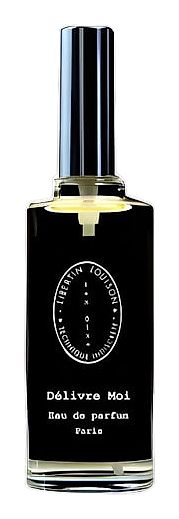
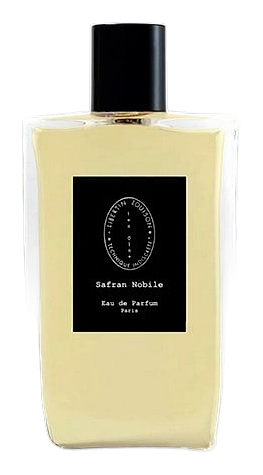
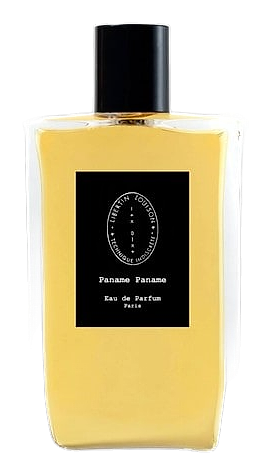
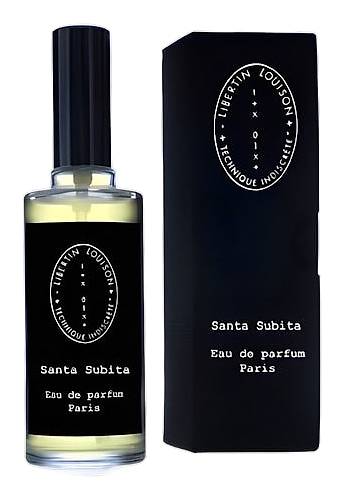
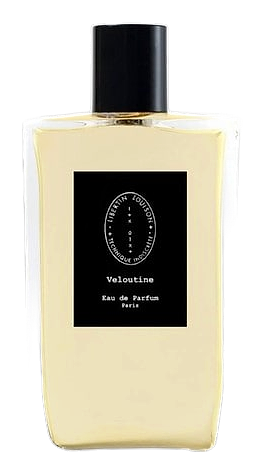
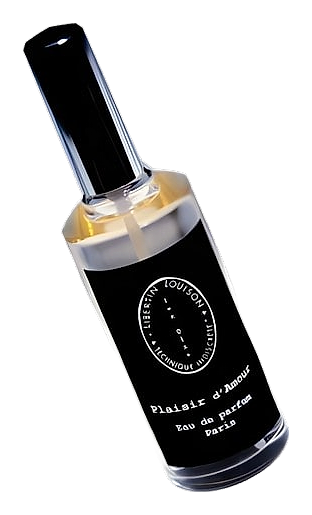
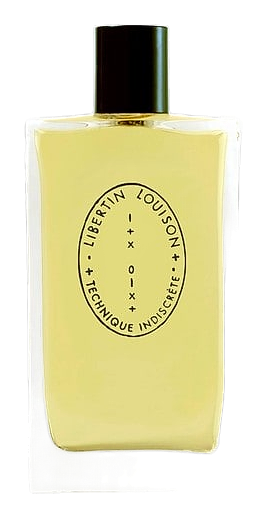
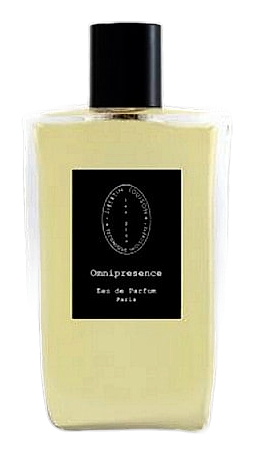
Libertin Louison was born and raised in Antwerp, Belgium, before relocating to Paris where he would build his creative career. His initial trajectory lay in fashion, an industry that shaped his understanding of craftsmanship, aesthetic restraint, and the relationship between wearable art and personal expression. In 1996, Louison opened his own boutique and atelier in Paris, marking his first independent venture as a creator. This space allowed him to explore the intersection of design and sensory experience before he formally entered perfumery. The transition from fashion to fragrance was not abrupt but evolved through years of experimentation and mentorship. By 2008, Louison felt prepared to launch Technique Indiscrete as a dedicated fragrance line. The name itself signals an approach to scent-making that prizes discretion and technique, suggesting formulas developed with precision and subtlety rather than bombast. Several fragrances debuted that year, including Safran Nobile, Plaisir d'Amour, Santa Subita, Delivre Moi, and Veloutine, establishing the house's early vocabulary of botanical and spice-oriented compositions. The atelier continued operating alongside the fragrance line, and Louison reportedly maintained his independent status, working without the backing of larger fragrance conglomerates. This independence has allowed him to control production, experiment with unexpected materials, and release fragrances according to his own schedule rather than market demands. The Technique Indiscrete approach centers on originality and restraint. Louison's background in fashion instilled an aversion to the ostentatious; he has described the house aesthetic as chic but not ostentatious, with interesting details that reward attention without demanding it. This philosophy extends to his perfumery, where compositions avoid the predictable trajectories of mainstream fragrance development. Rather than chasing trends, Louison reportedly draws from classical training and personal sensibility to construct scents that function as olfactory signatures rather than public announcements. The house name itself hints at a certain technical discretion, an implication that the craft remains somewhat hidden, accessible only to those who engage closely with the work. Fragrance reviews have noted a consistent sheer quality across the collection, suggesting that Louison values diffusion and skin-bonding effects over sillage that dominates a room. The Eaux de Cologne format reinforces this leaning toward freshness and intimacy. Louison's creative process appears to prioritize the relationship between wearer and scent over performative projection, an approach that aligns with his Belgian sensibility for understated elegance over French theatricality.