    Ingredient Profile

    Plants fragrance note

    Plants supply the richest palette of natural aromas, from bright citrus zest to deep woody whispers, forming the backbone of modern perfumer…More

    France

    1

    Fragrances

    Fragrances featuring Plants

    Character

    The Story of Plants

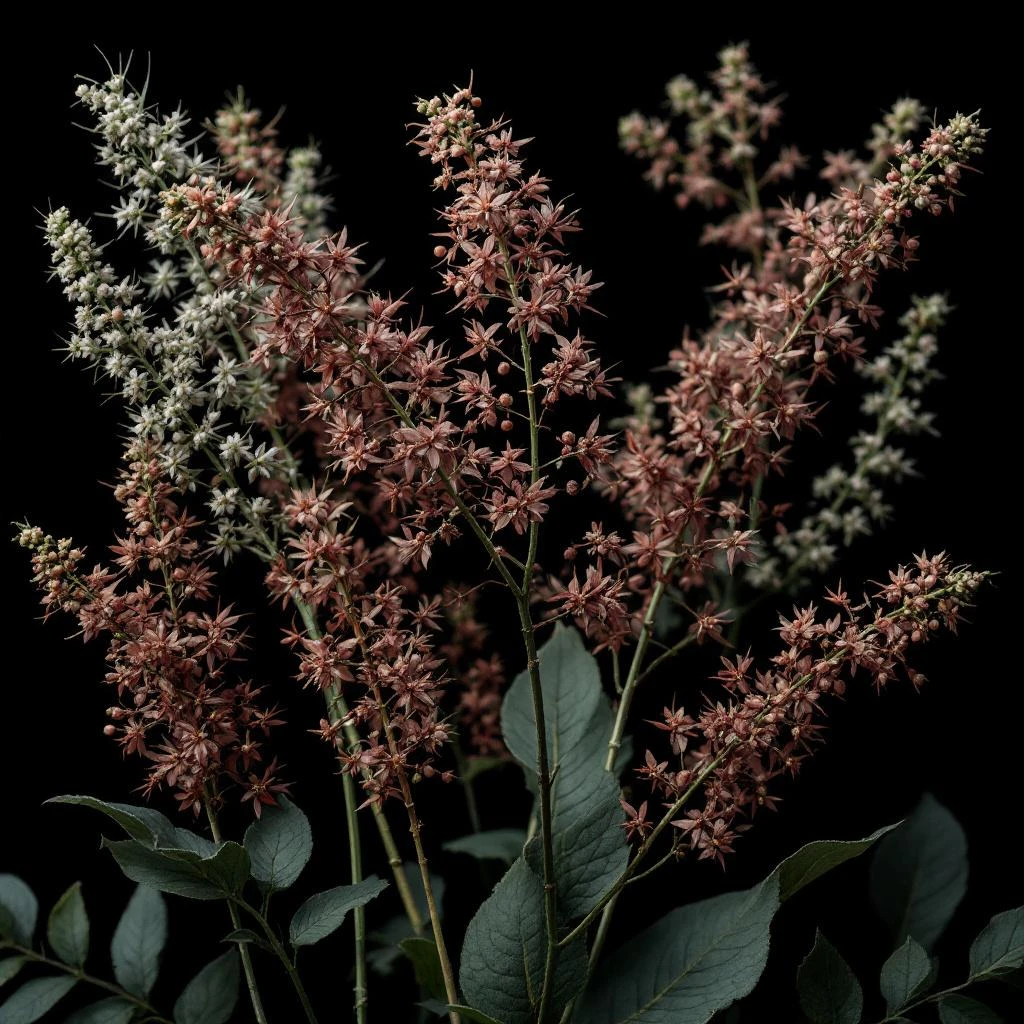
    Plants supply the richest palette of natural aromas, from bright citrus zest to deep woody whispers, forming the backbone of modern perfumery and offering endless discovery for scent creators.

    Heritage

    Plants have guided human scent practices for millennia. Early Egyptians pressed rose petals and crushed myrrh to scent temples and royal chambers. Greeks expanded the repertoire, distilling olive oil and extracting aromatic herbs for public baths. By the Middle Ages, monastic gardens cultivated lavender and rosemary, feeding the burgeoning trade routes that carried essential oils across continents. The 19th century introduced industrial steam stills, turning wild harvests into reliable supplies for perfume houses in France and beyond. As chemistry advanced, perfumers blended plant absolutes with synthetic notes, yet the original green, floral, and resinous signatures remain essential to the craft. Today, plant-derived ingredients anchor both classic and avant‑garde fragrances, linking modern creators to an unbroken line of aromatic tradition.

    At a Glance

    Fragrances

    1

    Feature this note

    Origin

    France

    Primary source region

    Ingredient Details

    Extraction

    Steam distillation

    Used Parts

    Leaves, stems, roots, flowers, seeds, bark

    Did You Know

    "A single lavender plant can yield enough essential oil for over 1,000 perfume bottles, thanks to its dense glandular trichomes that store aromatic compounds."

    Production

    How Plants Is Made

    From sunrise fields to quiet distilleries, plant aromatics travel a precise path before they reach a perfumer’s bench. Harvesters cut leaves, pluck blossoms, or strip bark at the peak of aromatic potency. In steam distillation, hot water vapor sweeps through the material, coaxing volatile molecules into the vapor stream. The vapor meets a chilled coil, condenses, and separates into a fragrant oil and a water phase called hydrosol. When the plant’s scent resists heat, perfumers turn to solvent extraction. They soak the raw material in a neutral solvent such as hexane, then press the mixture to yield a waxy concrete. Alcohol washes the concrete, leaving behind a thick absolute rich in the plant’s true character. Some resins and gums undergo maceration, where the raw bark or sap sits in oil for weeks, allowing lipophilic compounds to dissolve. Each method respects the plant’s chemistry, preserving the nuances that define citrus sparkle, herbaceous green, or deep woody depth.

    Provenance

    France

    France46.2°N, 2.2°E

    About Plants