The Story
Why it exists.
The beginning
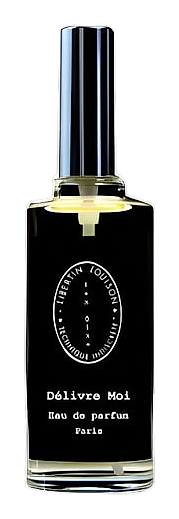
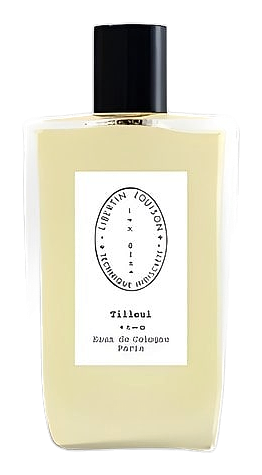
Tilleul was launched in 2011, with Louison Grajcar named as its perfumer. The composition takes a familiar floral register somewhere less expected: anise gives the opening a cool, liquorice-like snap, rose brings a soft heart, and honey lays sweetness over the structure. Balsamic vinegar and woody notes anchor the result with an almost culinary tension. It is a floral fragrance built around contrasts, choosing clarity and a little edge over a polished, predictable bouquet. The opening feels bright and aromatic, with the sharpness of anise immediately setting anise, rose, and honey apart from one another. As the scent settles, the floral center becomes warmer and more enveloping, while the balsamic vinegar adds a dark, tangy thread and the woody notes lend a dry, grounded finish.
What makes Tilleul interesting is the collision of materials that rarely share the same frame. Anise brings a clean, aromatic chill. Floral notes and rose soften that opening without swallowing it. Honey then pulls the composition toward warmth, while balsamic vinegar introduces a dark, tangy gleam. Woody notes provide the quieter structure beneath the sweetness. The result feels less like a decorative bouquet and more like a composed contrast: floral enough to be tender, dry enough to stay interesting.
The evolution
Tilleul begins with a bright, aromatic snap, as anise cuts through the first impression with a slightly sweet, liquorice-like clarity. Floral notes and rose arrive next, rounding that edge into something gentler without making it feel obvious or overly sweet. As the fragrance settles, honey becomes more present, turning the floral heart warm and almost edible. The balsamic vinegar keeps a dark, tangy thread running through that sweetness, while woody notes arrive late and quietly, giving the drydown a grounded, close-to-skin finish. Over time, the sharper opening gives way to a softer floral impression, but the contrast remains legible: rose and honey bring roundness, anise keeps a cool note in the background, and balsamic vinegar prevents the sweetness from becoming simple.
Cultural impact
Tilleul is defined by its quietly unusual construction: a floral center complicated by anise, honey and balsamic vinegar. The contrast gives the composition a distinctive character, beginning with a cool, aromatic snap before softening into rose and honey. As it wears, the balsamic vinegar maintains a dark, tangy thread through the floral sweetness, while woody notes create a dry, close finish. It rewards attention to the shifting relationships between its notes, revealing itself gradually rather than relying on a single dominant impression.
The House
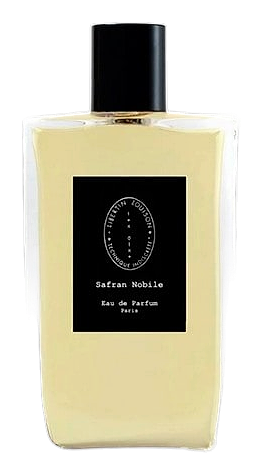
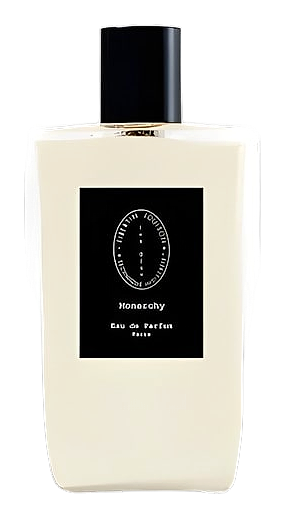
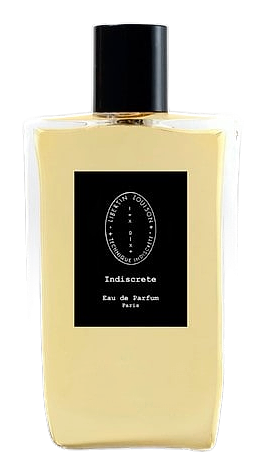
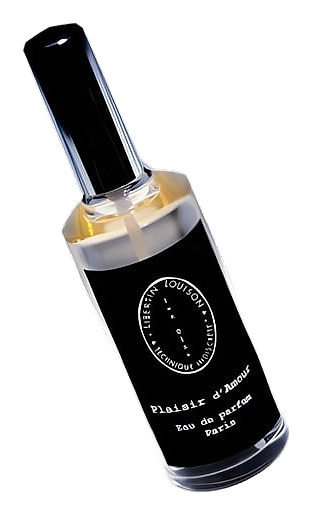
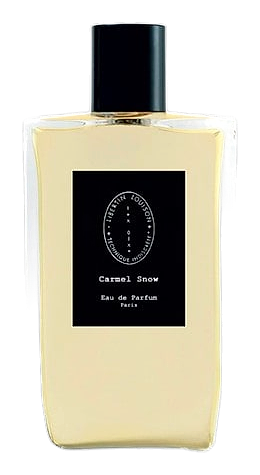
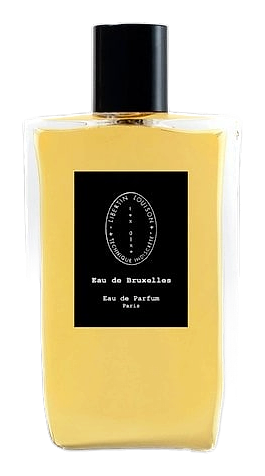
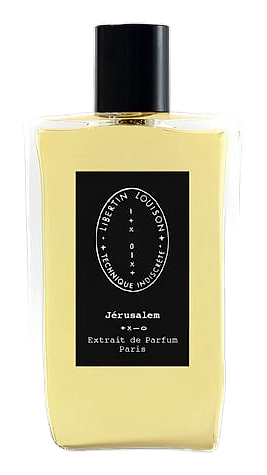
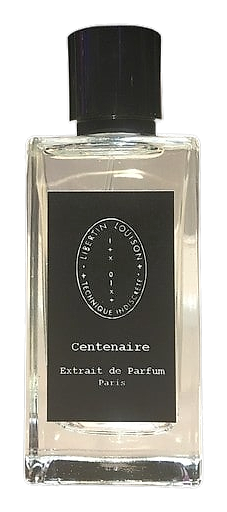
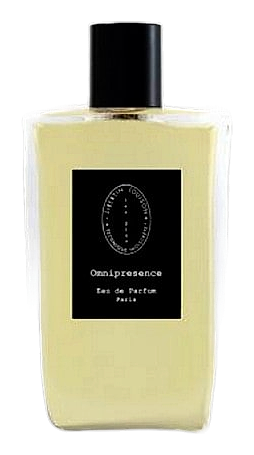
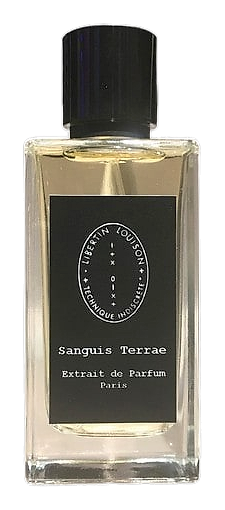
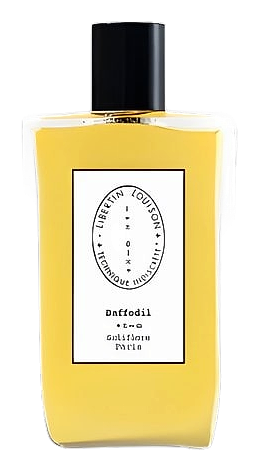
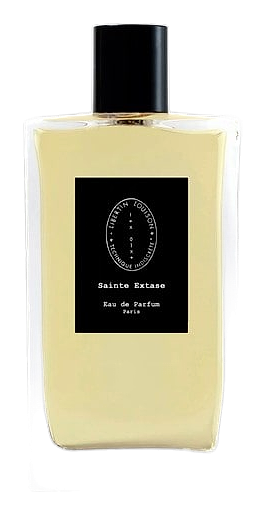
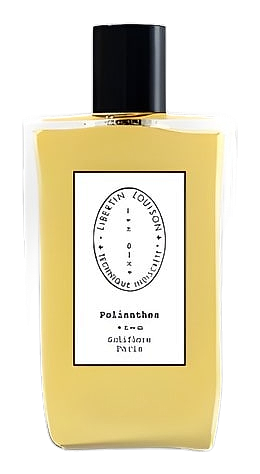
Libertin Louison Technique IndiscreteTechnique Indiscrete is a Parisian niche fragrance house founded by Belgian perfumer Libertin Louison. Based in Paris where he maintains an independent laboratory, Louison trained in fashion before redirecting his creative instincts toward perfumery. The brand emerged in 2008 as an extension of his earlier boutique and atelier work. Technique Indiscrete crafts original fragrances that favor a distinctive sheer quality, neither lightweight nor overwhelming, with the Eaux de Cologne format (offered in 250ml and 500ml sizes) serving as a signature vehicle for the house aesthetic. The collection spans nearly two decades of output, including Safran Nobile, Polianthes, and Fleur de Papier.
The Creator
Louison GrajcarThe Technique Indiscrète collection currently spans seven Eaux de Parfum accompanied by six floral waters, offering clients multiple entry points into Grajcar's olfactory world. His debut fragrance, Indiscrète, established his signature: fresh and fruity opening notes give way…