The Story
Why it exists.
The beginning
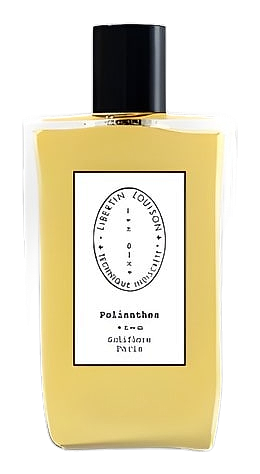
Polianthes takes its name from the dramatic history of tuberose. The flower inspired a passage from Emile Zola's Nana, in which its decaying scent takes on a human quality, and a historical practice attributed to Madame de la Vallière, who reportedly placed tuberose in her room to prove to the Queen that she was not pregnant. These references give the composition its central tension: elegance beside something instinctive and faintly unsettling. Within Libertin Louison's work, the fragrance pairs that cultivated floral character with a darker, more tactile tuberose accord.
Tuberose rarely travels alone here. Bergamot, mandarin orange, aldehydes, and herbal notes bring a green, sparkling entry, while jasmine, ylang-ylang, and neroli soften the flower's sharper character. Spicy notes interrupt the bouquet before amber deepens its drydown with a warm, resinous presence. The unusual part is the tension between polished white florals and tuberose's darker human accord. The result feels cultivated, but never innocent, with citrus and herbs giving way to dense petals, spice, and amber.
The evolution
The first impression is immediate and clean: aldehydes, citrus, and herbs create a bright, lightly abrasive opening. As that brightness recedes, tuberose moves forward, bringing jasmine, neroli, ylang-ylang, and spice into a dense white-flower heart. The bouquet is creamy without becoming soft, especially when tuberose's animalic edge gives it a pulse. Amber then takes over, replacing green freshness with warmth and a faint golden resinous depth. As the composition develops, the initial citrus brightness gives way to a layered floral center, where tuberose's darker accord sits alongside the smoother textures of jasmine, neroli, and ylang-ylang. Spice remains interwoven with the petals, while amber supplies a warm, resinous conclusion.
Cultural impact
Polianthes draws on the cultural history of tuberose, including its appearance in Emile Zola's Nana and the historical practice attributed to Madame de la Vallière. That literary and historical association adds cultural texture without turning the fragrance into costume drama. The scent itself develops from bergamot, mandarin orange, aldehydes, and herbal notes into a lush heart of tuberose, jasmine, neroli, and ylang-ylang, with spice and amber completing the composition. Its appeal lies in this meeting of polished white florals with an unconventional, distinctly human edge.
The House
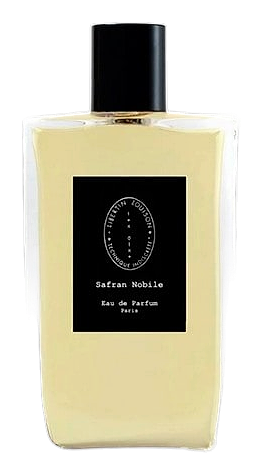
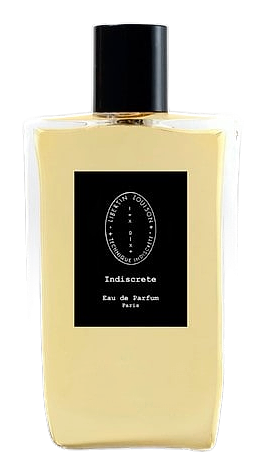
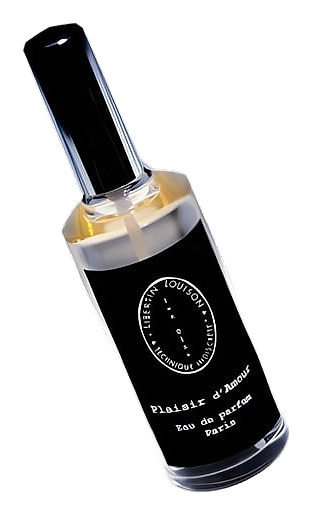
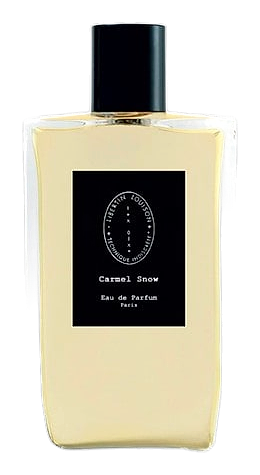
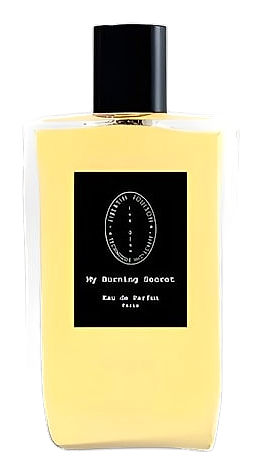
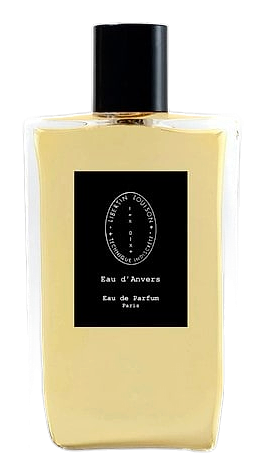
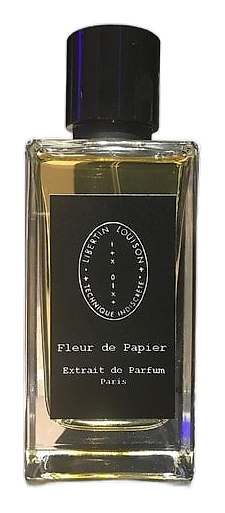
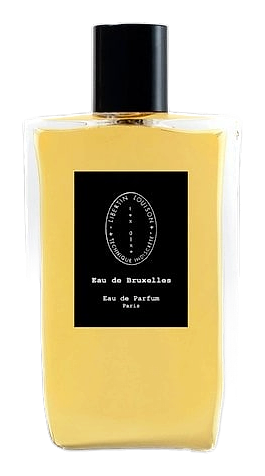
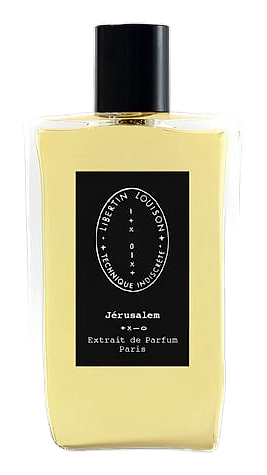
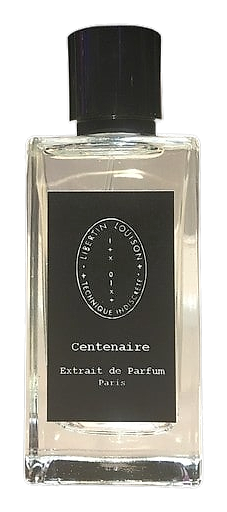
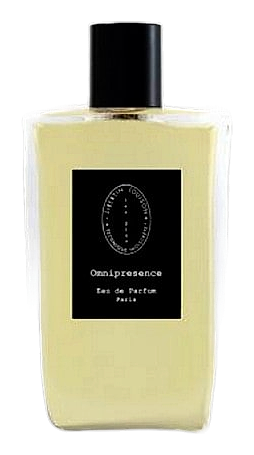
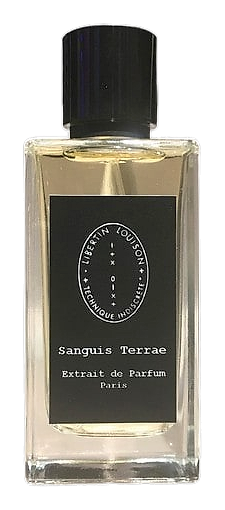
Libertin Louison Technique IndiscreteTechnique Indiscrete is a Parisian niche fragrance house founded by Belgian perfumer Libertin Louison. Based in Paris where he maintains an independent laboratory, Louison trained in fashion before redirecting his creative instincts toward perfumery. The brand emerged in 2008 as an extension of his earlier boutique and atelier work. Technique Indiscrete crafts original fragrances that favor a distinctive sheer quality, neither lightweight nor overwhelming, with the Eaux de Cologne format (offered in 250ml and 500ml sizes) serving as a signature vehicle for the house aesthetic. The collection spans nearly two decades of output, including Safran Nobile, Polianthes, and Fleur de Papier.
The Creator
Louison GrajcarThe Technique Indiscrète collection currently spans seven Eaux de Parfum accompanied by six floral waters, offering clients multiple entry points into Grajcar's olfactory world. His debut fragrance, Indiscrète, established his signature: fresh and fruity opening notes give way…