
The Story
Why it exists.
The beginning
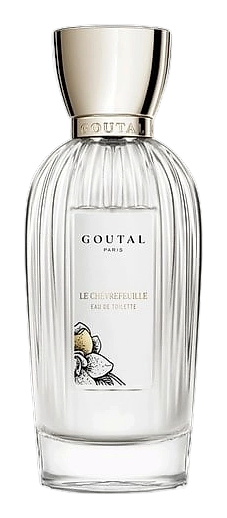
In 2002, Camille Goutal collaborated with house perfumer Isabelle Doyen to bottle a memory. The fragrance takes its name from the French word for honeysuckle, the flower that crowned the games of her childhood summers in the south of France. Camille and her cousins played together in the warmth, imagining themselves princesses adorned with fragrant wreaths. Le Chèvrefeuille was her attempt to translate that unguarded joy into glass, the brightness of early spring, the carefree days of a child's imagination, the moment when the world smells like nothing but possibility.
The note structure here is deliberately intimate rather than commanding. Lemon and petitgrain create a fresh green opening that feels immediate, then the heart pivots to honeysuckle, a flower rarely used as a protagonist in perfumery, more often relegated to supporting roles. The addition of narcissus (the first mountain spring flower according to the brand's own story) gives the base a slightly green, almost dewy quality that keeps the entire composition from settling into sweetness. Three heart notes, three top notes, one base note. The restraint is the point.
The evolution
The opening hits sharp and green, lemon and petitgrain arriving together with the freshness of morning light. Within minutes, the honeysuckle takes over, honeyed and sweet without ever becoming cloying. Jasmine and petitgrain stay present throughout the heart phase, keeping everything bright and green rather than heavy. The drydown is where the composition softens most noticeably. Narcissus becomes more prominent, giving the base a quiet, almost powdery floral quality that lingers close to the skin. By the fourth hour, what remains is a subtle green freshness, the ghost of lemon, the memory of honeysuckle, nothing more. On fabric, the floral notes fade faster but leave a clean, slightly sweet impression that can last until the next wash.
Cultural impact
Le Chèvrefeuille occupies a specific corner of the floral green category, sunny, joyful, rooted in personal memory rather than fashion trends. Unlike mass-market florals that chase seasonality, this fragrance has held its position since 2002 through word of mouth alone. It attracts wearers who want honeysuckle as a main character, not a cameo. The moderate sillage and daylight character suit it to daytime wear and intimate settings, the kind of fragrance that people notice when they're close enough to ask what you're wearing.