The Story
Why it exists.
The beginning
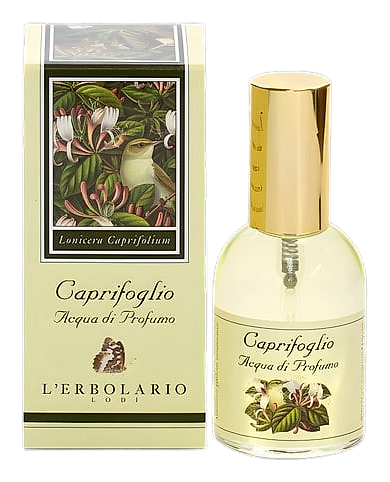
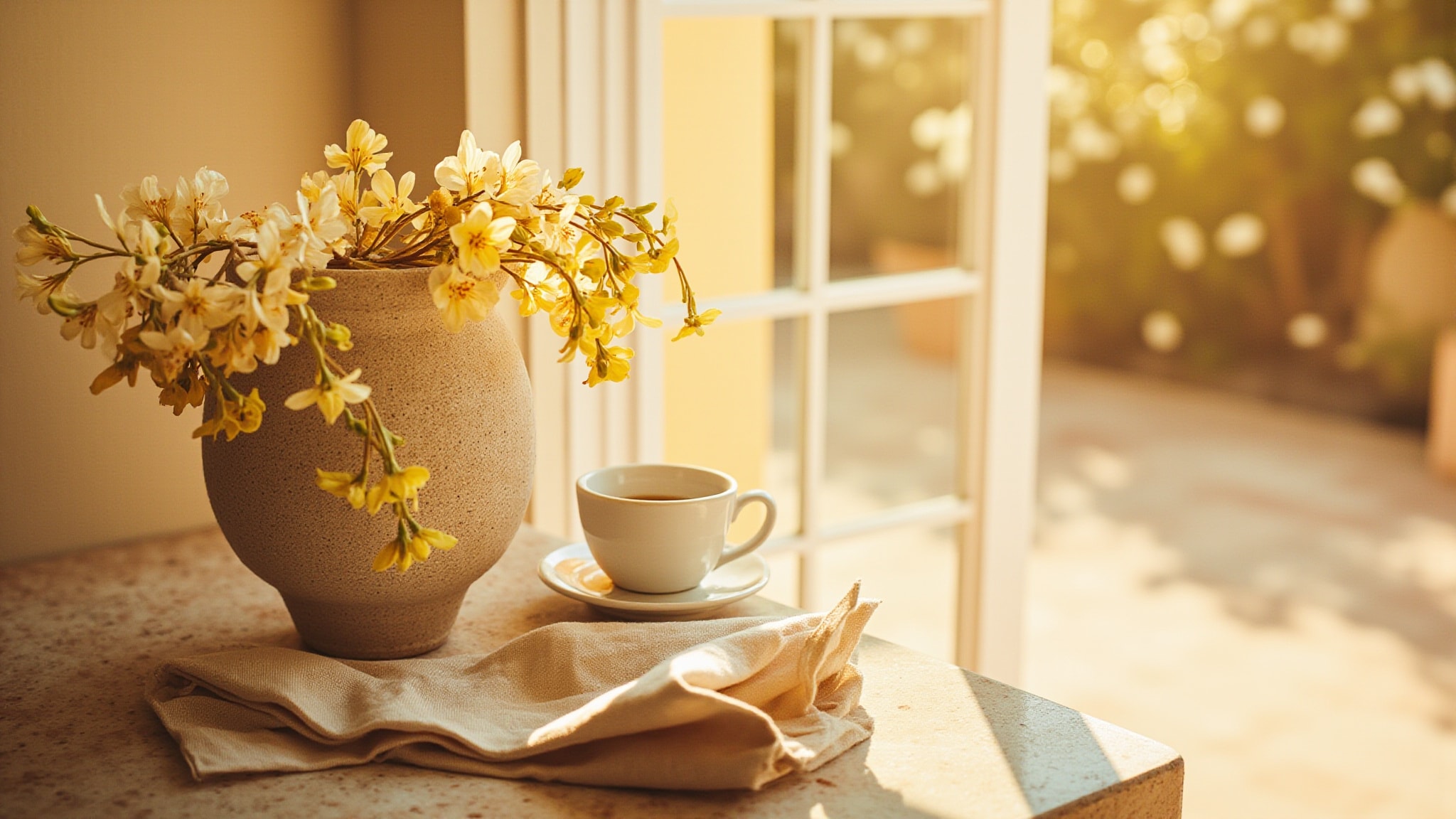
Caprifoglio is the Italian word for honeysuckle, the wild climbing vine that dots Mediterranean hillsides with clusters of tubular gold and cream. For L'Erbolario, named for the archaic verb meaning to gather herbs, it represents something essential: the point where cultivated herbal knowledge meets the untended beauty of the landscape itself. This fragrance is L'Erbolario translating that specific Italian moment, the smell of a country road in late spring, vines heavy with bloom, into something you can wear anywhere.
What makes the Caprifoglio structure interesting is the way it refuses the obvious path. Honeysuckle alone can tip into something too sweet, too insistent, the kind of floral that announces itself before you've asked. Here, the ylang-ylang and orange blossom provide the cream, but the violet leaf and bergamot keep the composition honest. It's a white floral that remembers it grew outdoors, not in a greenhouse. The result is lush without excess, sweet without apology.
The evolution
The citrus opening lasts maybe fifteen minutes, bergamot and neroli arriving together, cool and certain. Then the honeysuckle takes over. Not all at once. It seeps in, finding the spaces between the lily of the valley and jasmine, until the whole thing becomes one continuous bloom. Rose petals add a softness that keeps it from reading as heavy. By hour three, the cedar has settled underneath everything, wood and cream intertwined. The sandalwood arrives last, extending the drydown into something warm and close to the skin. On fabric, this one lasts until the next morning, faint and unhurried, like the scent a garden leaves on a cotton shirt.
Cultural impact
L'Erbolario, founded in 1978, positioned itself among the earliest Italian niche houses to foreground botanical ingredients in fine perfumery. Caprifoglio, with its honeysuckle-forward profile, speaks to a specific cultural moment: the embrace of traditional Italian herbalist ingredients in contemporary fragrance. The brand's commitment to botanical sourcing, sustainable practices, and plant-based perfumery has cultivated a dedicated following among those seeking natural, heritage-driven scents. While not a mainstream blockbuster or industry disruptor, the fragrance holds cultural significance as part of a broader revival of botanical perfumery and Italian herbalist traditions.