The Story
Why it exists.
The beginning
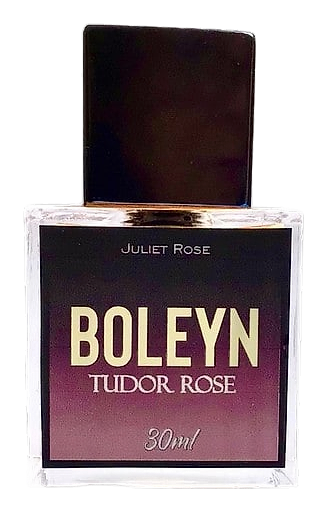
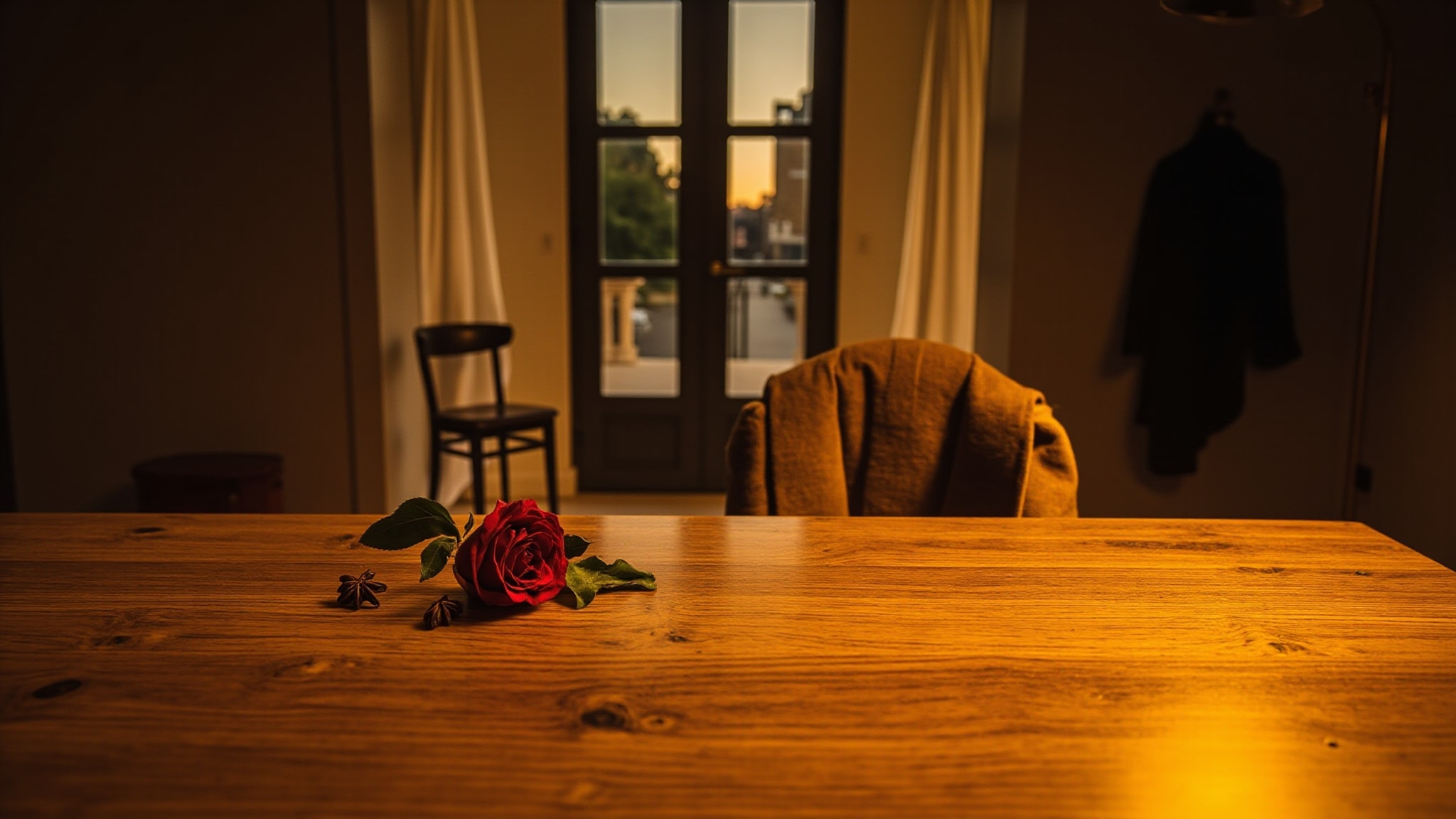
Juliet Rose built Boleyn Tudor Rose around an original Tudor recipe, a formula for pot pourri and incense tied to Anne Boleyn's era and the rose that still carries her name. It launched in 2024. The formula draws on the kind of aromatic materials associated with that historical period, blending rose with the spices and resins that anchored Tudor-era incense and pot pourri traditions. The result smells less like a historical recreation and more like a scent that happens to have roots in a sixteenth-century formula, with the rose carrying real weight rather than acting as a decorative top note.
The composition is unusual in how many rose variants it stacks at the top: Bulgarian rose, Damask rose, Moroccan rose, rose absolute, rose otto. That layering creates a multidimensional floral opening rather than a single rose note. The spices run warm and slightly sweet, with clove and anise giving the heart a rounded, aromatic character that sits between confection and dried herb. Then oud and frankincense in the base anchor everything in incense territory, bringing a smoky, almost church-like depth that grounds the florals and keeps them from reading as purely pretty.
The evolution
The first stretch of wear is all rose and lavender, the floral side leading with a sweetness that leans green and herbal rather than syrupy. Then the clove and bay leaf arrive and the whole thing tilts darker, warmer, less garden and more apothecary. Petitgrain and orange keep a sliver of brightness alive through the heart phase, a flicker of citrus that stops the spices from going too dense. As the hours pass, the base settles in: oud, frankincense, amber, vanilla. The rose doesn't disappear, it just gets buried under incense and warm wood, the floral scent receding into the background while the resins take the foreground. Late in the wear, what's left on skin is a close, smoky amber-oud trace with faint spice clinging to fabric and pulse points.
Cultural impact
Boleyn Tudor Rose is built on an actual Tudor pot-pourri recipe, and that historical grounding gives it a layer of context most rose fragrances don't carry. The rose-and-oud combination has appeared in plenty of compositions, but the density of rose variants here, five different expressions stacked at the top, sets it apart from typical treatments of the pairing. The concept reads clearly in the scent itself, with the incense and resin base giving the rose a setting that feels researched rather than arbitrary.