Lemon Thyme
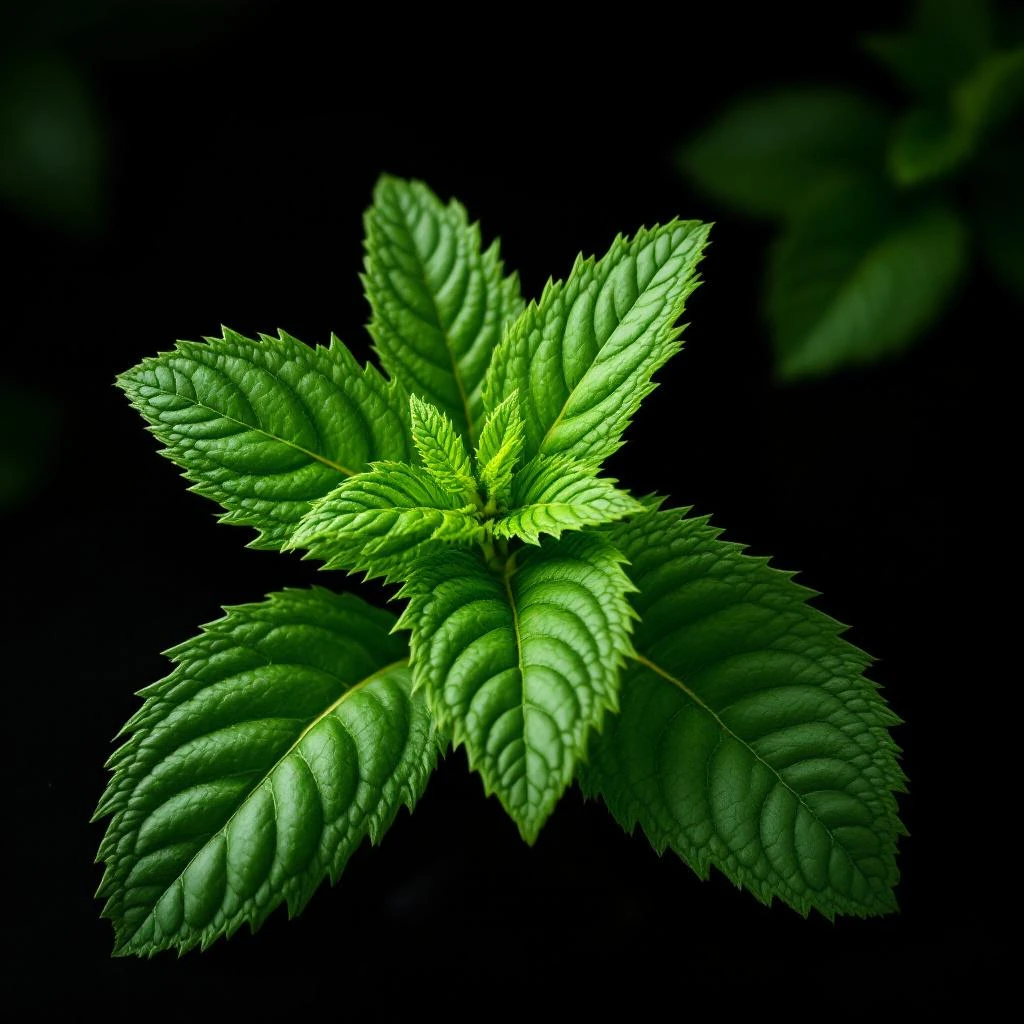
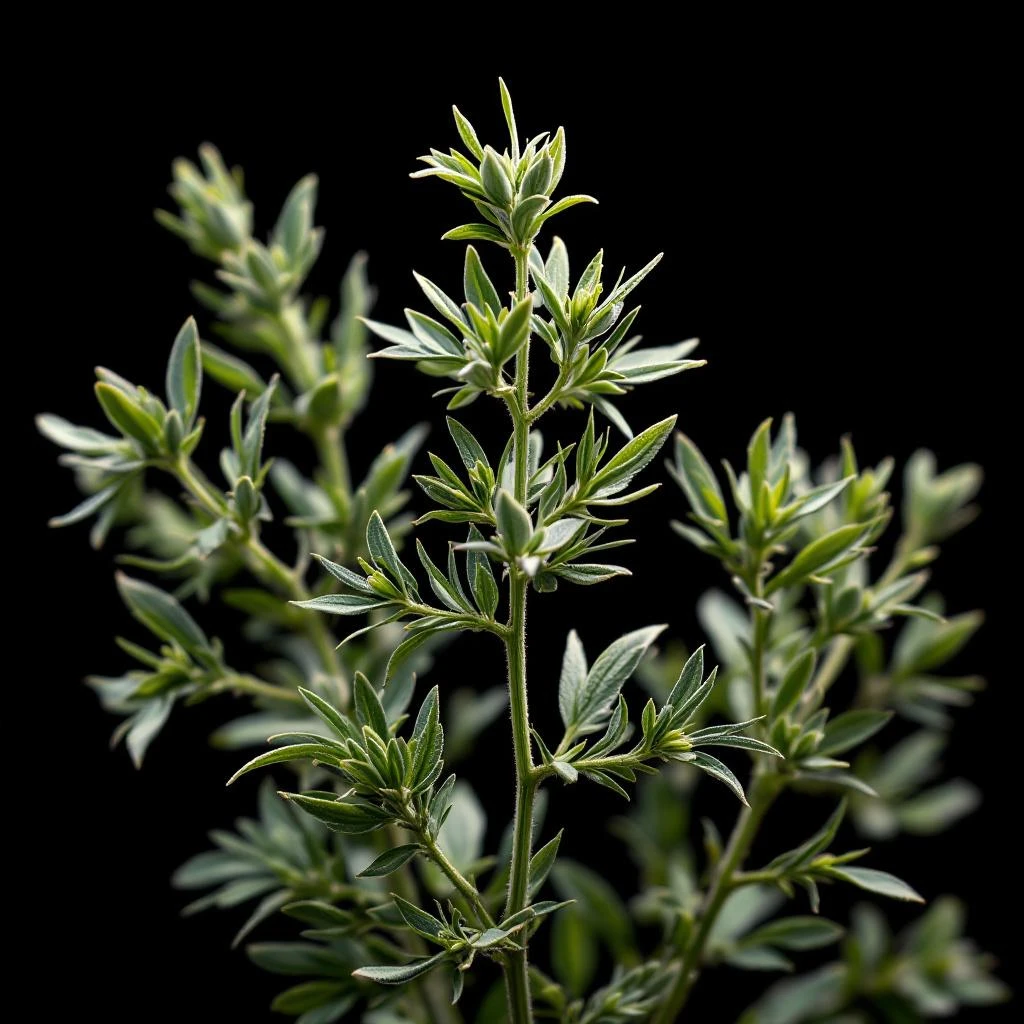
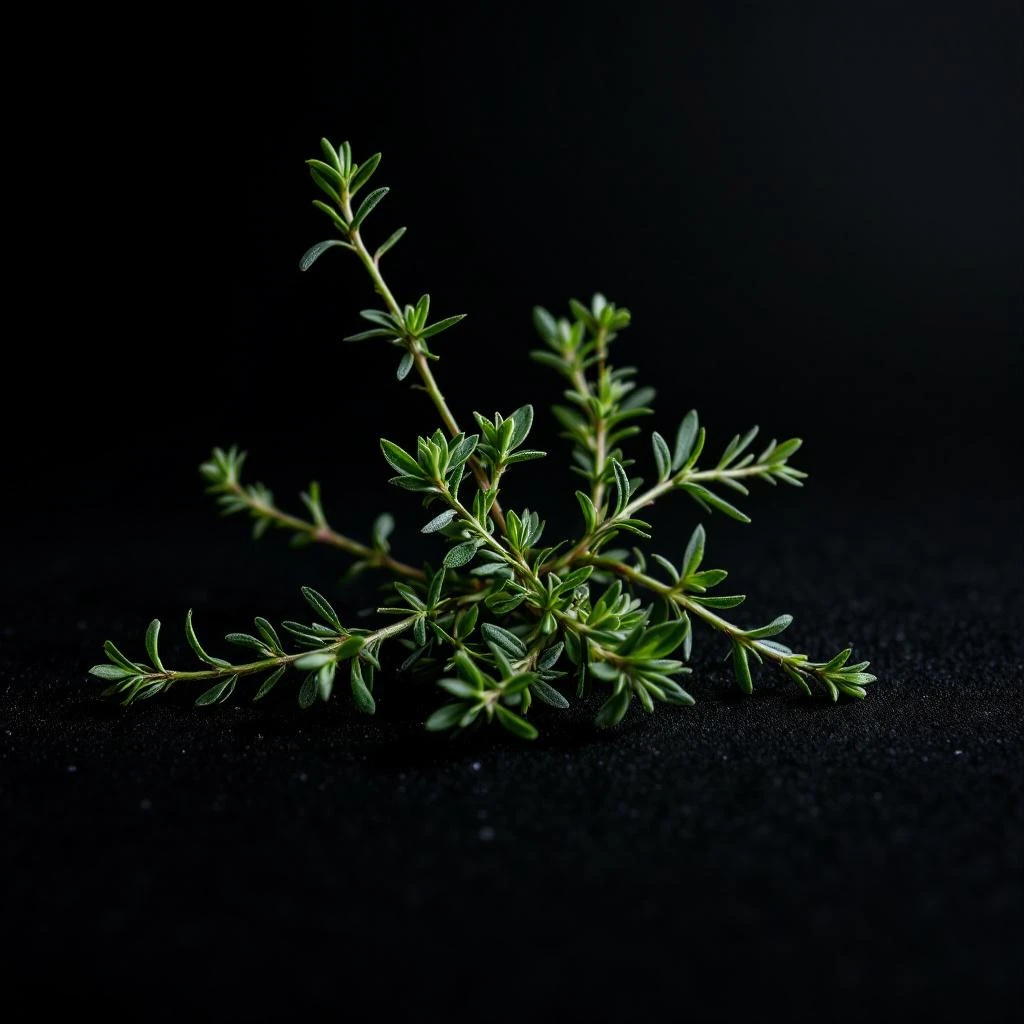
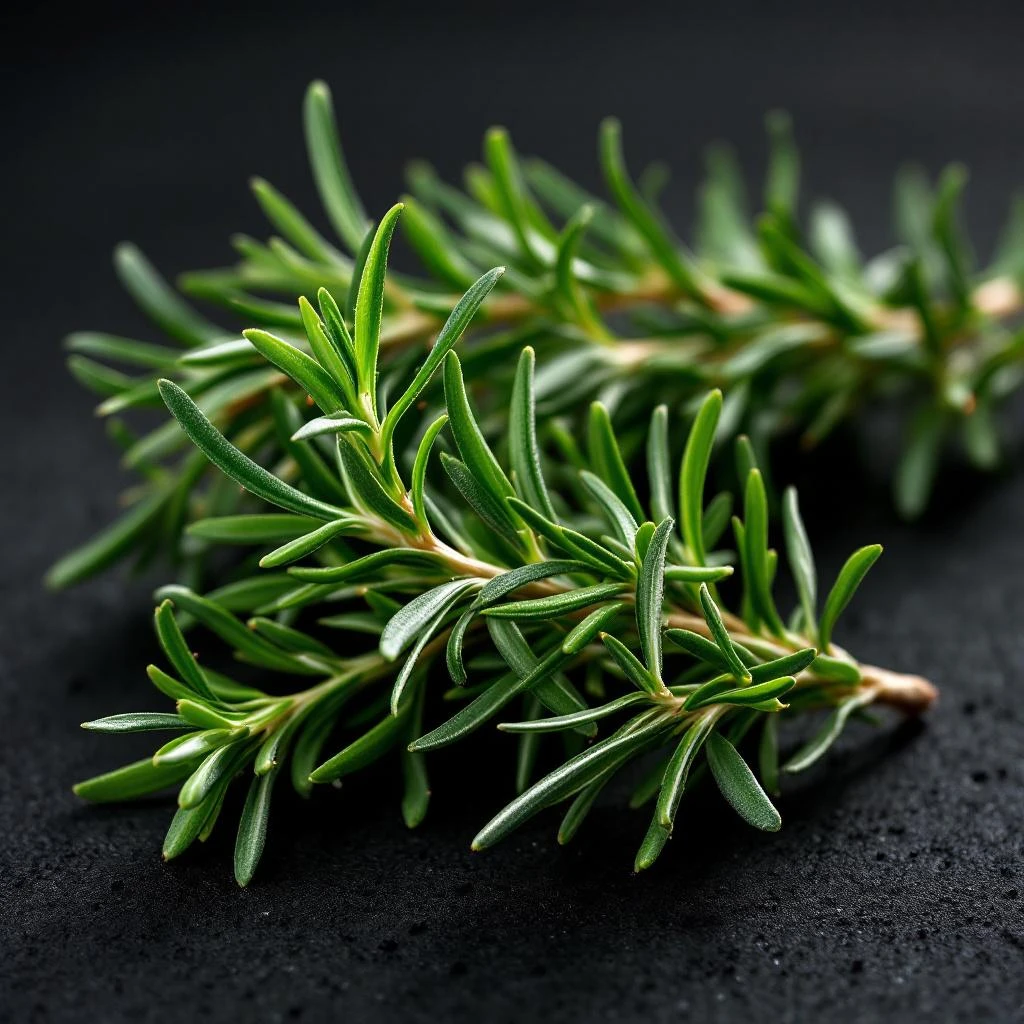
Lemon thyme marries the bright, citric snap of lemon peel with the herbaceous, slightly medicinal greenness of garden thyme. The result is a note that lifts compositions with sunny sharpness while retaining an earthy, tea-like backbone.
Character
How it smells
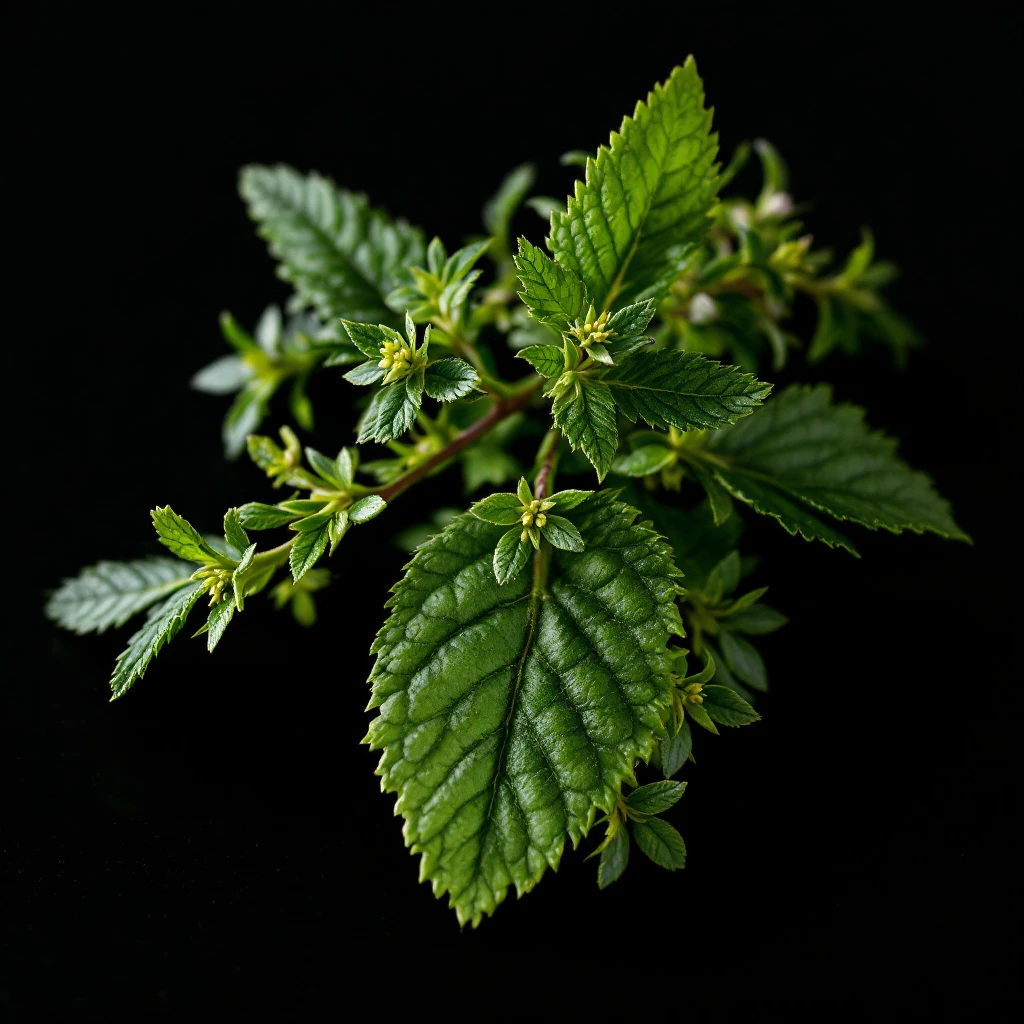
Citrus snap over herbal greens
Lemon thyme's citrus character comes from geraniol and citral, the same compounds that perfume true citronella grass, not from actual lemon fruit.








Origin
France
Thyme ranks among humanity's oldest cultivated herbs. Egyptians packed it into embalming resins as early as 1500 BCE, and Greeks burned it as temple incense dedicated to Aphrodite. Roman soldiers bathed in thyme-infused water for vigor, a belief that carried the plant across every conquered province.
The lemon-scented variant, a natural hybrid of common thyme and a wild Mediterranean species, drew botanists' attention only in the late 19th century. French herbalists in Provence began domesticating it once steam distillation made its volatile oils commercially accessible. By the early 1900s, perfumers in Grasse valued lemon thyme for the same reason chefs did: it delivered citrus lift without the fleeting volatility of pressed lemon peel.
The note moved into colognes and fougères through the mid-20th century, anchoring herbal chypres and adding brightness to lavender-forward compositions. Today it serves as a modern alternative to synthetic citral accords.
Wears it best
Fragrances featuring Lemon Thyme
Brands
Brands known for Lemon Thyme
Good to know
Questions, answered
The essentials on Lemon Thyme in perfumery: how it smells, where it comes from, and how it behaves on skin.
What does lemon thyme smell like in perfume?
It smells like fresh lemon zest layered over herbal thyme greens, with a clean, slightly medicinal undertone. The citrus facet reads bright and zingy, while the herbal base gives it depth and longevity. Expect a green-spicy character rather than a sweet, fruity lemon.
Is lemon thyme a natural or synthetic note?
Both exist. Steam-distilled lemon thyme essential oil is widely available, supplying natural citral and geraniol. Synthetic citral and linalool isolates also recreate the effect at lower cost, though perfumers prize natural oil for its rounder, more complex drydown.
How is lemon thyme essential oil extracted?
Producers use steam distillation. Cut herb loads into copper stills, and saturated steam ruptures the leaf oil glands. The condensed liquid separates in a florentine vessel, yielding a pale yellow oil rich in citral, geraniol, and thymol.
Where is lemon thyme grown for perfumery?
Southern France dominates production, especially Provence. Spain, Algeria, and Morocco also cultivate the herb on dry, sunny hillsides with mineral-rich soils that concentrate the volatile oils and sharpen the citrus character.
What fragrances commonly feature lemon thyme?
Lemon thyme appears most often in aromatic fougères, herbal colognes, and fresh summer compositions. It pairs with bergamot, lavender, rosemary, and clary sage, lending a bright opening that bridges citrus top notes and green herbal hearts.
Does lemon thyme contain actual lemon?
No. The lemon impression comes from volatile compounds called citral and geraniol, which the plant biosynthesizes naturally. No lemon fruit or peel enters the oil, only the herb itself.
How does lemon thyme differ from regular thyme oil?
Common thyme oil leads with thymol and carvacrol, producing a sharp, medicinal, almost camphoraceous profile. Lemon thyme carries far less thymol and much more citral and geraniol, shifting the aroma toward citrus zest with softer herbal edges.
Is lemon thyme safe for skin in typical perfume doses?
Diluted in fragrance formulations, lemon thyme oil is generally well tolerated. Its citral content can sensitize some skin types at high concentrations, so the International Fragrance Association recommends citral stay below 0.6 percent in leave-on products.