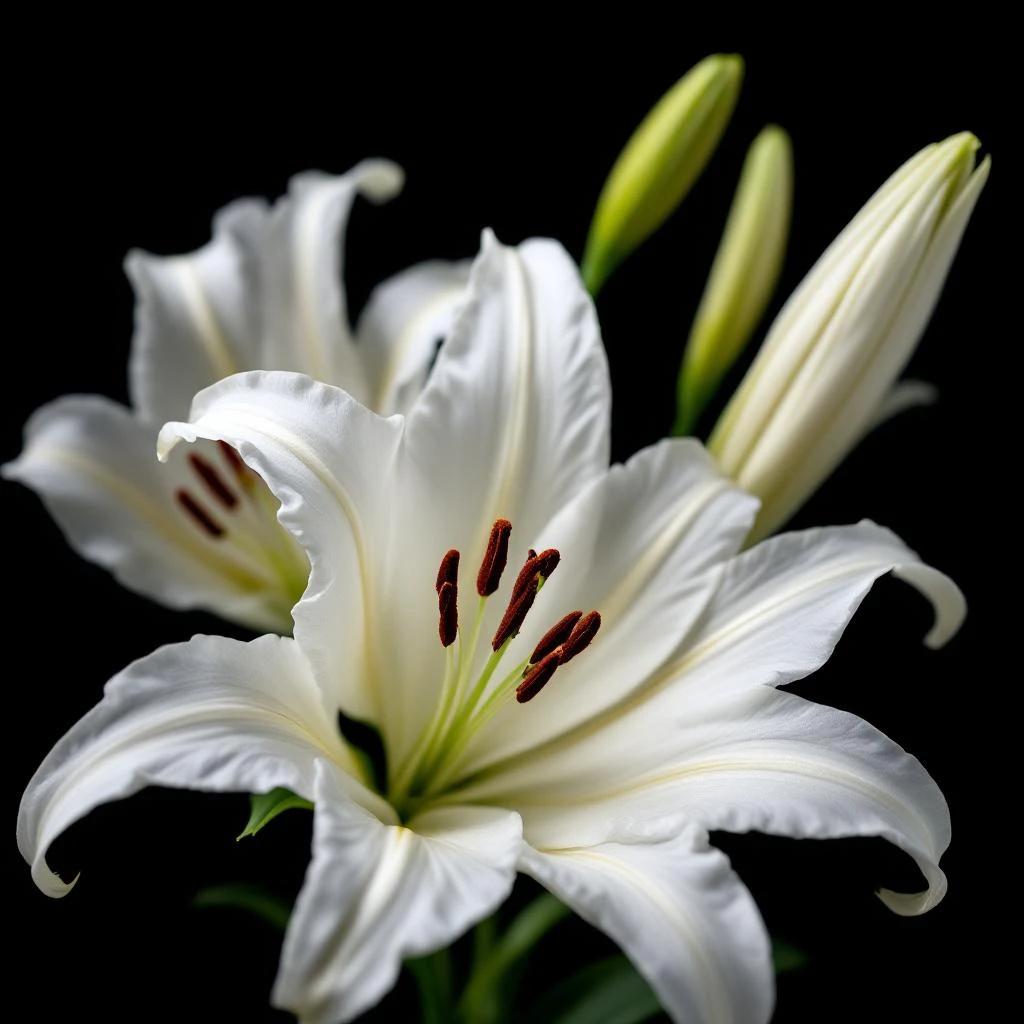
Chestnut Blossom
Chestnut enters perfumery through memory rather than extraction. The warm, toasted aroma of roasted chestnuts from autumn market stalls inspired perfumers to recreate this nostalgic scent using synthetic and nature-identical materials.
Character
How it smells
Warm autumn nostalgia, recreated for the skin.
Chestnut is rarely extracted naturally. Modern perfumers recreate its characteristic aroma using synthetics like delta-undecalactone.




Origin
Turkey
The sweet chestnut tree, Castanea sativa, has shaped Mediterranean cultures for millennia. Ancient Greeks cultivated it across the Balkans and Asia Minor, valuing the nut as a dietary staple alongside grains. The Romans spread cultivation throughout Southern Europe, developing propagation techniques that established chestnut groves across France, Italy, and Spain.
In 16th century Italy, the Marron glace technique transformed chestnuts into a luxury confection, cementing their place in European culinary heritage. For perfumery, chestnut arrived through olfactory memory. The smoke and sweetness of roasted chestnuts sold at autumn markets across Paris, Vienna, and Naples became a shared sensory experience, a seasonal marker that perfumers began translating into fragrance in the late 20th century.
The note carries these cultural layers, evoking both the warmth of street stalls and the elegance of candied chestnuts in pastry shops.
Wears it best
Fragrances featuring Chestnut Blossom
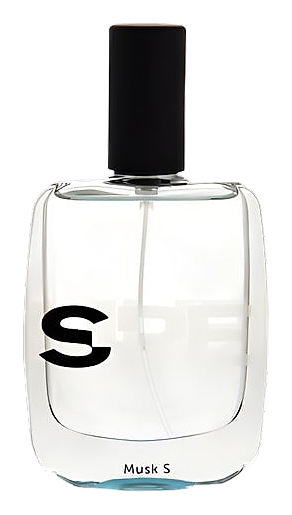
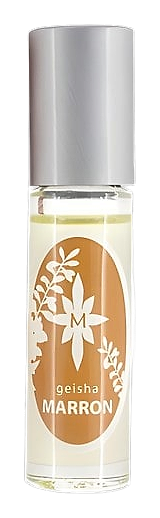
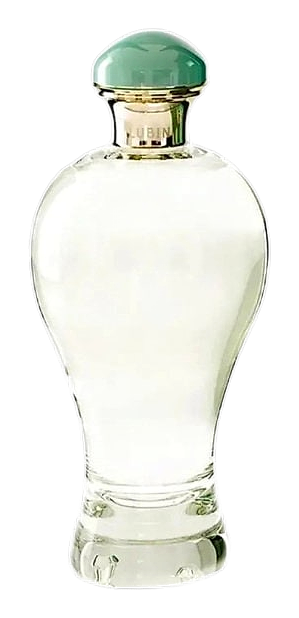
Brands
Brands known for Chestnut Blossom
Good to know
Questions, answered
The essentials on Chestnut Blossom in perfumery: how it smells, where it comes from, and how it behaves on skin.
Is chestnut a natural or synthetic ingredient in perfumery?
Chestnut is almost exclusively synthetic or nature-identical in perfumery. Natural extraction from chestnut nuts or blossoms yields minimal usable fragrance material, so perfumers recreate the warm, toasted aroma using compounds like delta-undecalactone.
What does chestnut smell like in fragrance?
Chestnut in perfume smells warm, slightly sweet, and toasted with buttery undertones. It evokes the aroma of roasted chestnuts from autumn market stalls, combining gourmand sweetness with a subtle smoky, earthy quality.
What fragrance families use chestnut notes?
Chestnut appears primarily in oriental and gourmand fragrances. It bridges these families, adding warmth to amber compositions while introducing edible, nutty sweetness to woody bases. It works particularly well alongside vanilla, tonka, and sandalwood.
How does chestnut differ from marzipan or benzoin in perfume?
Chestnut is nuttier and more toasted than marzipan, which leans sweeter and more bitter-almond. Compared to benzoin, chestnut is drier and less resinous, offering a cleaner nutty warmth rather than sticky balsamic sweetness.
At what stage of perfume development do perfumers add chestnut?
Perfumers add chestnut as a base note or in the dry-down phase. The lactones and supporting materials that create the chestnut effect unfold gradually, contributing lasting warmth and a cozy, nostalgic character to the fragrance's final hours.
What emotional associations does chestnut bring to a fragrance?
Chestnut evokes autumn nostalgia and street-level warmth. The scent triggers memories of seasonal markets, roasted snacks on cold days, and the comforting feeling of brief seasonal pleasures captured in a bottle.
Does chestnut blossom itself have a notable scent?
Chestnut blossoms produce a mild, slightly sweet fragrance intended to attract pollinating insects, though the tree relies primarily on wind for pollination. The blossom scent is subtle compared to the roasted nut aroma perfumers seek to recreate.
Which classic fragrances feature chestnut prominently?
Chloe Nomade and Hermessence Myrrhe Illuminee both incorporate chestnut's warm, resinous nuttiness. The note has gained popularity in niche perfumery for adding an unexpected gourmand edge to chypre and woody compositions.