The Story
Why it exists.
The beginning
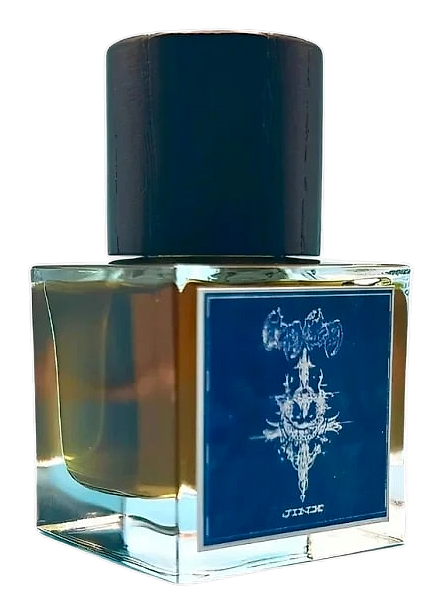
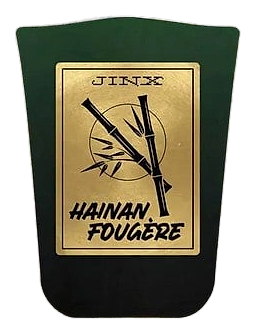
Hainan Fougere began with a question about what a fougère could hold. The traditional structure, built on lavender, oakmoss, and coumarin, had been worked over so many times that the form itself felt like a fixed equation. Something had to give. The composition takes the classic skeleton and pulls it somewhere colder, greener, less polite than the barbershop standard, threading clary sage and eucalyptus through pink grapefruit and bergamot, then deepening the whole thing with pu-erh tea, anise, and Brazilian rosewood. The result smells like a fougère that wandered off the expected path and came back carrying notes it did not leave with.
The composition treats the fougère structure as a vessel rather than a rulebook. Where the classic form leans on lavender and oakmoss for its center of gravity, Hainan Fougere keeps those notes present but loads the surrounding space with materials the structure rarely sees: clary sage carried like a cold wind, pu-erh tea grounding the heart in something leafy and fermented, anise and Brazilian rosewood darkening the corners, and a base of Hainan oud, civet, musk, sandalwood, vanilla, tonka, and patchouli that holds the whole thing down to skin.
The evolution
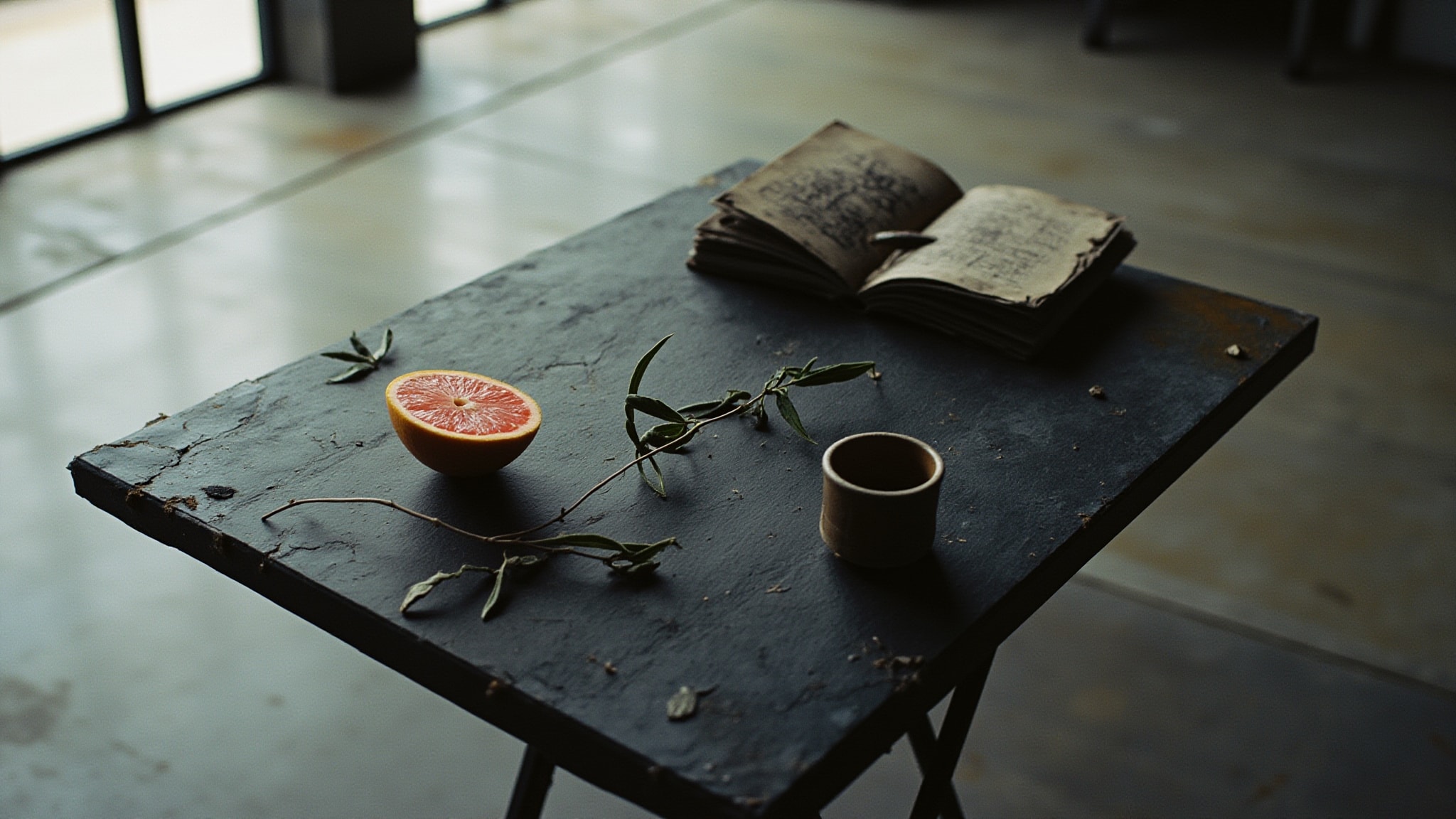
The first fifteen minutes belong to the aromatics. Clary sage hits first, slightly herbal and almost medicinal, with eucalyptus snapping behind it like a cold morning. Pink grapefruit and bergamot give it lift, but the anise and Brazilian rosewood keep the brightness from feeling simple. Pu-erh tea sits underneath, a dark, leafy hum that tells you this is not a typical barbershop fougère. The opening reads loud, green, and slightly sharp, the kind of scent that fills a coat collar for the first half hour. The herbal notes arrive in layers rather than all at once, with the clary sage setting a slightly bitter, slightly hay-like tone before the eucalyptus sharpens the edges and the citrus lifts everything into a brief pocket of brightness. Anise curves through the middle of this opening, lending a faint licorice shadow that keeps the citrus from ever crossing into cologne territory.
Cultural impact
Hainan Fougere has earned notice in niche fragrance circles as a fougère that behaves unlike most. The composition takes the traditional lavender-and-oakmoss structure and floods it with clary sage, eucalyptus, pu-erh tea, anise, Brazilian rosewood, marigold, ambrette, peach, and a base centered on Hainan oud, civet, musk, sandalwood, vanilla, tonka, and patchouli.
The House
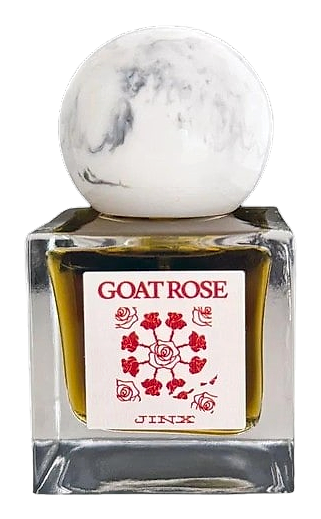
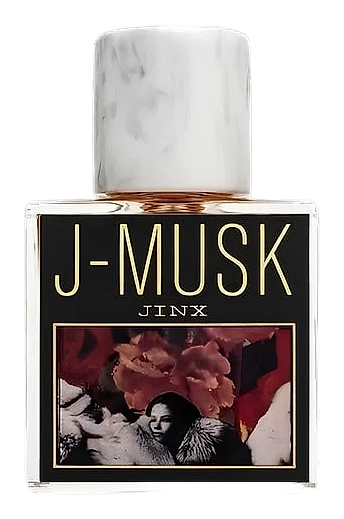
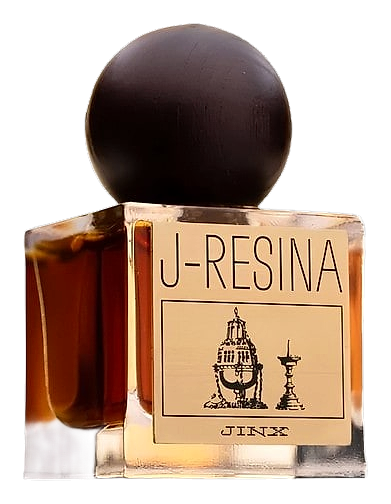
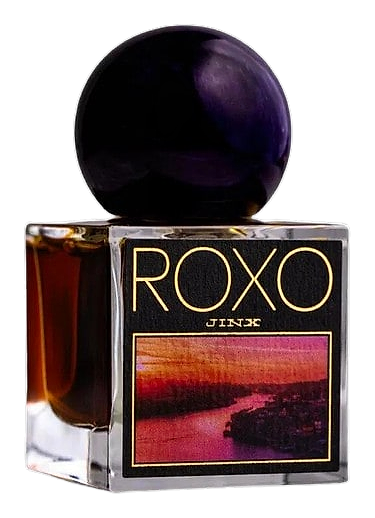
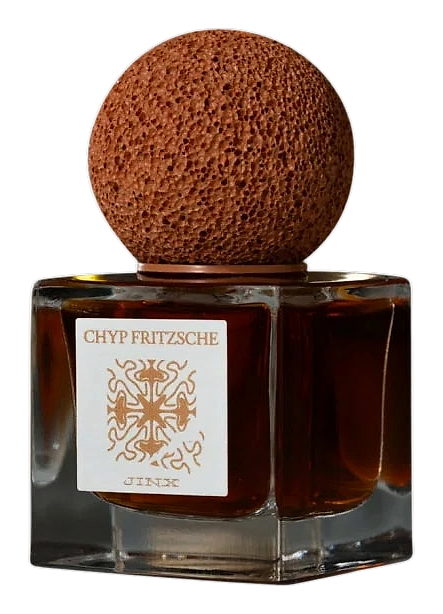
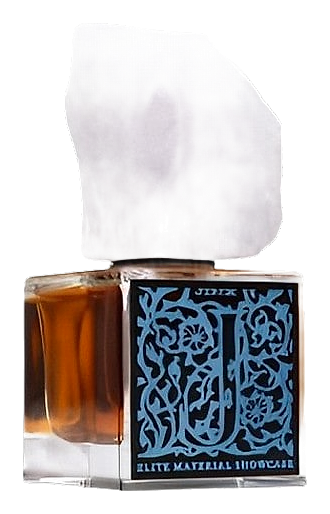
Jinx SmellsJinx Smells is an artisan perfume house that operates out of upstate New York. The label focuses on hyper‑niche compositions that foreground oud and animalic notes, and it insists on using only natural raw materials. Founder Arthur Clayton Emrick, a longtime fragrance collector, curates each release with a collector’s eye for rarity and depth. The brand’s releases, such as Cuirassier (2025) and Blue Chyp (2024), have earned a reputation among niche enthusiasts for their unapvious intensity and meticulous balance.
The Creator
Arthur Clayton EmrickArthur favors a modular approach, layering accords in a way that each can be isolated on the skin. He leans heavily on natural absolutes—bergamot, labdanum, and cedarwood—paired with synthetics that amplify texture, such as iso e super and ambroxan.