The Story
Why it exists.
The beginning
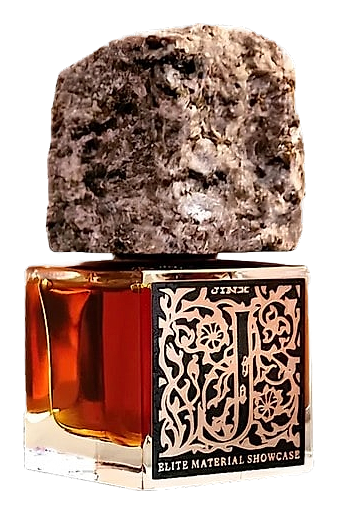
Black Chyp arrived in 2022 from Jinx Smells, the Canandaigua, New York house run by Arthur Clayton Emrick. The name is blunt on purpose. "Chyp," chypre stripped of its European politeness. Emrick wasn't chasing nostalgia for 1970s perfume counters. He was reaching back to the structure underneath, then dosing it heavier than the original molds would tolerate. Half a gram of IFRA non-compliant oakmoss per 30 ml bottle. That's not a margin note. That's a position. Civet and Siberian deer musk do the work most modern chypres outsource to synthetics. Thai oud anchors the base alongside black ambergris. Bergamot, grapefruit, and green mandarin open the door with barbershop clarity, then close it fast.
The cassie-champaca pairing in the heart is the other unusual move. Champaca brings narcotic sweetness, a waxy almost-fruit quality, while cassie (sweet acacia) layers in a warm, honeyed spice that carries its own weight. With civet threading through, the heart reads warm and slightly feral instead of the plush florals most contemporary compositions reach for. It's a chypre built for someone who already knows what a chypre is supposed to smell like, and has opinions about what got lost along the way.
The evolution
The opening feels like a different fragrance entirely. Bergamot, grapefruit, and green mandarin land bright, almost bracing, the kind of citrus that suggests barbershop and starched collars. Then the green mandarin's particular bitterness starts to show, and the door begins closing. The heart takes over, and the transition is unmistakable. Champaca and sweet acacia bring a waxy, almost narcotic sweetness. Civet arrives underneath, not announced, more like a shift in room temperature. Vanilla and tolu balsam settle into the sweetness, giving it weight and a resinous edge. Labdanum adds the amber warmth that ties the floral to what comes next. The drydown is where Black Chyp commits. Oakmoss at a concentration that exceeds IFRA standards brings the damp forest floor that defines a proper chypre. Thai oud adds smoky depth without going barnyard.
Cultural impact
Black Chyp sits in a small, intentional corner of the niche fragrance world. It's a chypre that prioritizes materials that regulatory changes have made rare in commercial perfumery, and it does so without apology. Among indie perfumery fans, it's noted for its commitment to the original chypre structure at a time when most interpretations have softened the formula significantly. The fragrance has drawn attention for its use of oakmoss at concentrations that exceed current IFRA standards. This is a deliberate choice, and it places Black Chyp in a category of compositions that prioritize historical accuracy over regulatory compliance.
The House
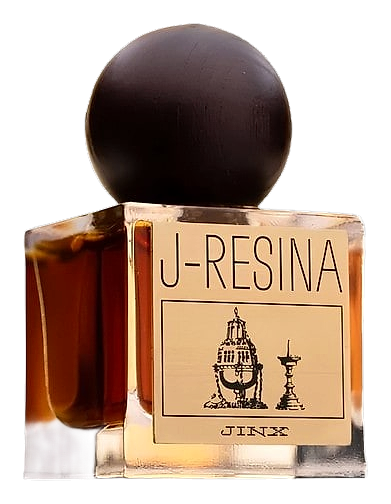
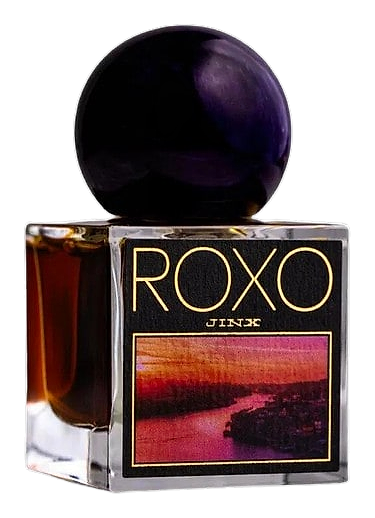
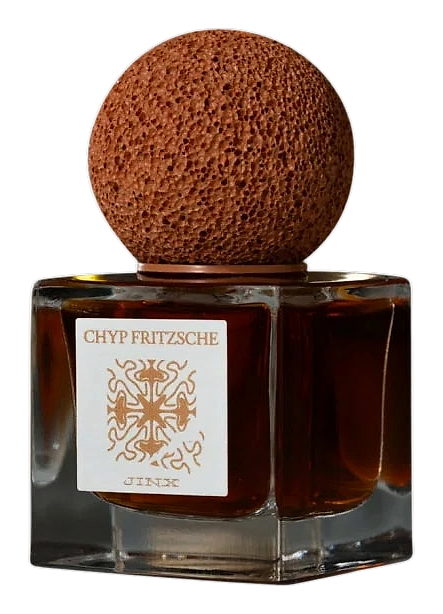
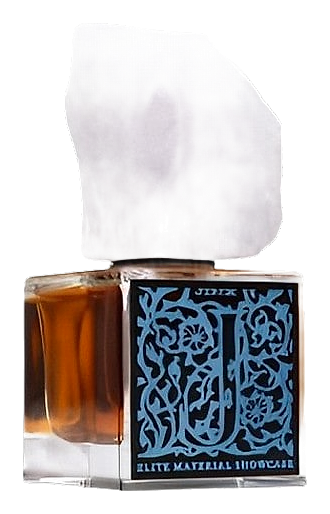
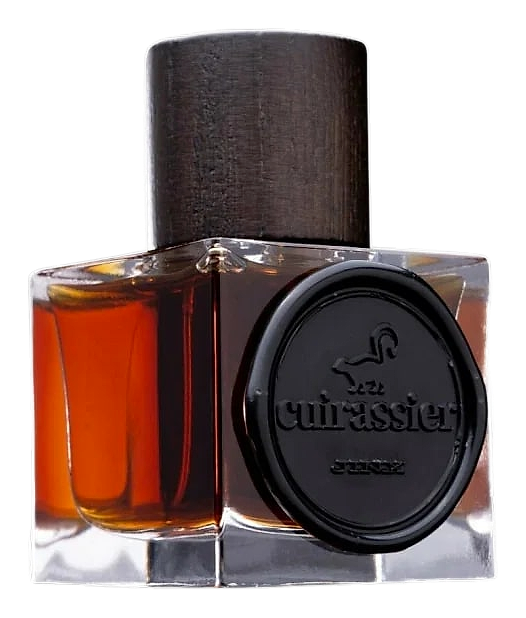
Jinx SmellsJinx Smells is an artisan perfume house that operates out of upstate New York. The label focuses on hyper‑niche compositions that foreground oud and animalic notes, and it insists on using only natural raw materials. Founder Arthur Clayton Emrick, a longtime fragrance collector, curates each release with a collector’s eye for rarity and depth. The brand’s releases, such as Cuirassier (2025) and Blue Chyp (2024), have earned a reputation among niche enthusiasts for their unapvious intensity and meticulous balance.
The Creator
Arthur Clayton EmrickArthur favors a modular approach, layering accords in a way that each can be isolated on the skin. He leans heavily on natural absolutes—bergamot, labdanum, and cedarwood—paired with synthetics that amplify texture, such as iso e super and ambroxan.