Siberian Musk
The most coveted animal note in perfumery, Siberian Musk delivers an intensely warm, sensual base that anchors fragrances with remarkable staying power. Today, ethical alternatives replicate its iconic depth.
Character
How it smells
The ancient base note that defined perfumery for millennia.
One musk deer produces only 25-30 grams of pure musk annually, making it more valuable than gold by weight.





Origin
Russia
Musk has shaped perfumery for over 5,000 years. The earliest documented use traces to Sumerian Mesopotamia in the third millennium BC, where texts reference its prized properties. Eastern civilizations including Tibet, China, and Persia encountered musk independently, integrating it into religious ceremonies, traditional medicine, and aristocratic fragrance traditions.
The name itself carries this ancient legacy: derived from the Late Greek μόσχος (moskhos), itself borrowed from Persian mushk. Chinese court records from the Tang dynasty describe musk as a diplomatic gift of extraordinary value. European perfumers first encountered musk through the Silk Road trade routes, and by the Renaissance, it had become the foundation of Western perfumery.
The late 19th century marked a turning point as wild musk deer populations collapsed under hunting pressure, prompting the development of synthetic alternatives that would democratize the iconic note for modern fragrance creation.
Wears it best
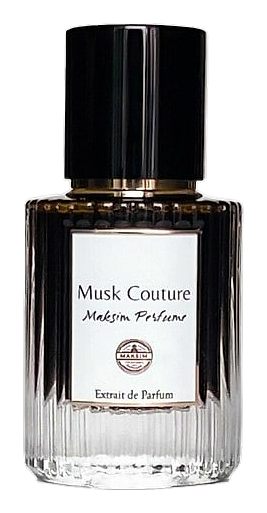
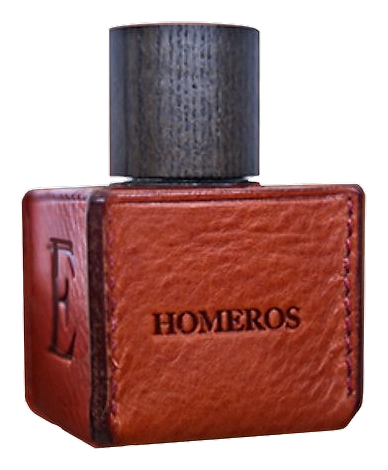
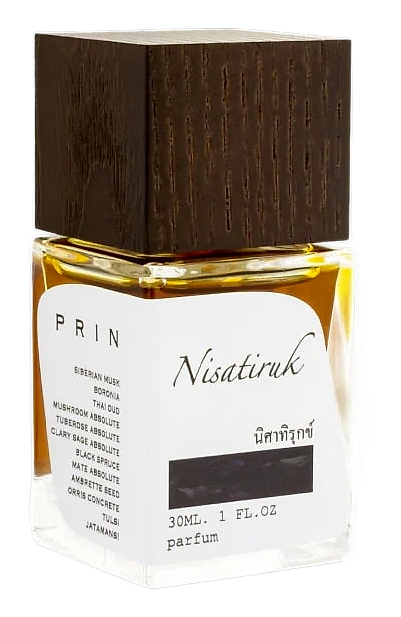
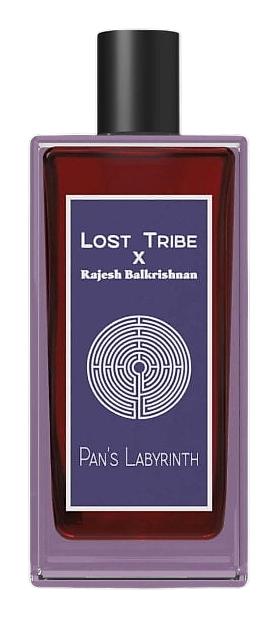
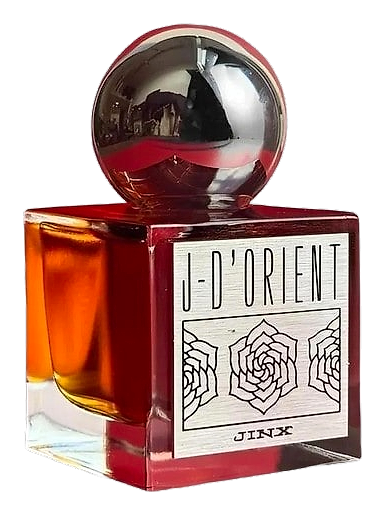
Fragrances featuring Siberian Musk
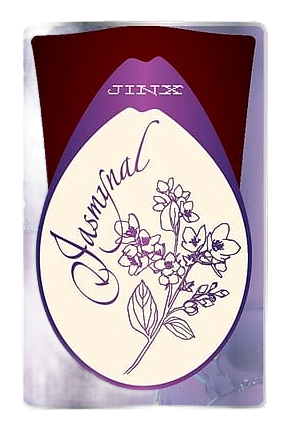
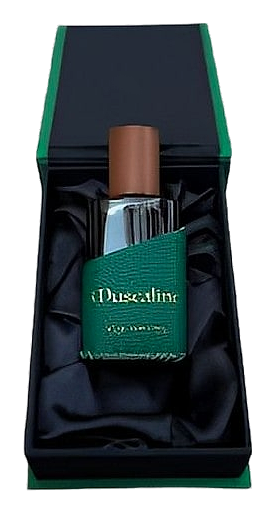
Brands
Brands known for Siberian Musk
Good to know
Questions, answered
The essentials on Siberian Musk in perfumery: how it smells, where it comes from, and how it behaves on skin.
What is Siberian Musk made from?
Siberian Musk traditionally comes from the anal gland secretions of the Siberian musk deer. Modern perfumery primarily uses synthetic alternatives that replicate the scent profile without animal harvesting.
Why is musk used in perfumery?
Musk acts as a fixative, extending the longevity of a fragrance by slowing the evaporation of lighter top and heart notes. It provides a warm, sensual base that gives perfumes their lasting power.
What does musk smell like?
Musk carries a warm, animalic, and slightly earthy character with subtle fecal and leather-like undertones. It reads as skin-like, intimate, and deeply grounding in fragrance compositions.
Is natural musk still used today?
Natural musk is banned in international trade under CITES due to overhunting of the Siberian musk deer. Nearly all modern perfumery relies on synthetic musks like muscone and macrocyclic compounds.
What did Lavoslav Ružička contribute to musk?
In 1926, chemist Lavoslav Ružička synthesized muscone, the primary aromatic component of natural musk, while working at Firmenich. He later won the Nobel Prize for his broader work on terpenes and sex hormones.
How long has musk been used in perfumery?
Musk has been used for over 5,000 years, with the earliest evidence from Sumerian Mesopotamia in the third millennium BC. It was independently discovered and prized by Tibetan, Chinese, and Persian civilizations.
Are there plant-based alternatives to musk?
Plant alternatives include ambrette seed, musk root (abelsonite), and various botanical absolutes that carry musky characters. These offer natural options for perfumers seeking to avoid synthetic compounds.
What is white musk?
White musk refers to the clean, skin-like synthetic musks developed in the mid-20th century. These compounds lack the animalic rawness of natural musk, offering a softer, more modern interpretation of the classic note.