The Story
Why it exists.
The beginning
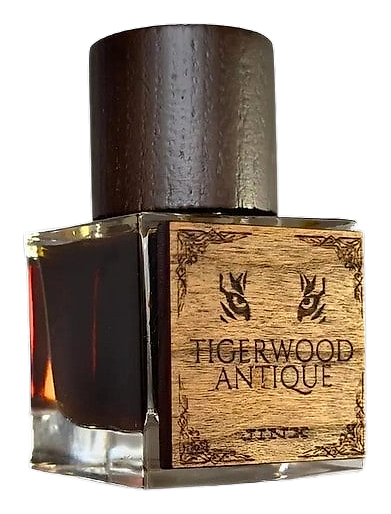
Tigerwood Antique arrived in 2024 from Arthur Clayton Emrick's studio, and the name earns its weight. Tigerwood references one of those dense tropical hardwoods traditionally prized for furniture that outlasts dynasties, and the composition treats that material as a brief. Not a recreation of wood itself, but the smell of something that has already weathered a lifetime and come out the other side smoky, resinous, and quietly unsettling. Emrick built it layering a trio of ouds (Malayan, Burmese) over lotus, cocoa, and the kind of balsams you'd find in an antique workbench drawer. The composition leans on untouched natural materials with no synthetic seams visible, and the production was apparently limited, which tracks for a house that prefers small macerations over wide release.
What makes this composition unusual isn't the oud, it's the quantity of oud. Emrick runs Malayan and Burmese alongside Mysore sandalwood and two distinct animalic notes (Kashmiri deer musk and castoreum), then ties them together with copaiba balsam and black amber. That's a crowded basement and it shouldn't work on paper, yet the structure holds together because each material gets room to breathe. The lotus trio in the heart, Blue, American, White, softens the entry point just enough to keep it wearable rather than confrontational.
The evolution
The first ten minutes are a clove conversation. It's sharp, almost burnt, with palo santo smoke threading underneath like incense blown sideways through an old room. Then something happens around the 30-minute mark that feels structural. The spice softens. The coffee and cocoa surfaces together as a single warm pulse that wraps around your wrist like a heavy blanket. That's also when the irises show up, doing their dusty, powdered thing, and the two oud woods (Malayan and Burmese) start to share space instead of fighting for it. By hour three you're inside something heavier, smokier, more intimate, the kind of scent that feels less applied and more inhabited. The Mysore sandalwood anchors everything while the castoreum adds a leathery, slightly animal edge that picks up warmth from your skin chemistry and deepens with body heat.
Cultural impact
Jinx Smells has built a reputation for compositions that don't pull punches, and Tigerwood Antique fits squarely inside that catalog. It wears with presence, projects with confidence, and lands in conversations about oud-forward niche releases from the early 2020s. The bottle tends to show up on collector wishlists and trade threads rather than mainstream discovery lists, which says something about both the audience it appeals to and the kind of perfumery it represents.