Cajuput Tree
Cajeput oil bursts from the leaves of Melaleuca leucadendron with a sharp, camphoraceous freshness that cuts through heavy compositions. This Southeast Asian treasure delivers an herbaceous, medicinal lift prized in aromatics.
Character
How it smells
Camphorese clarity from the paperbark tree
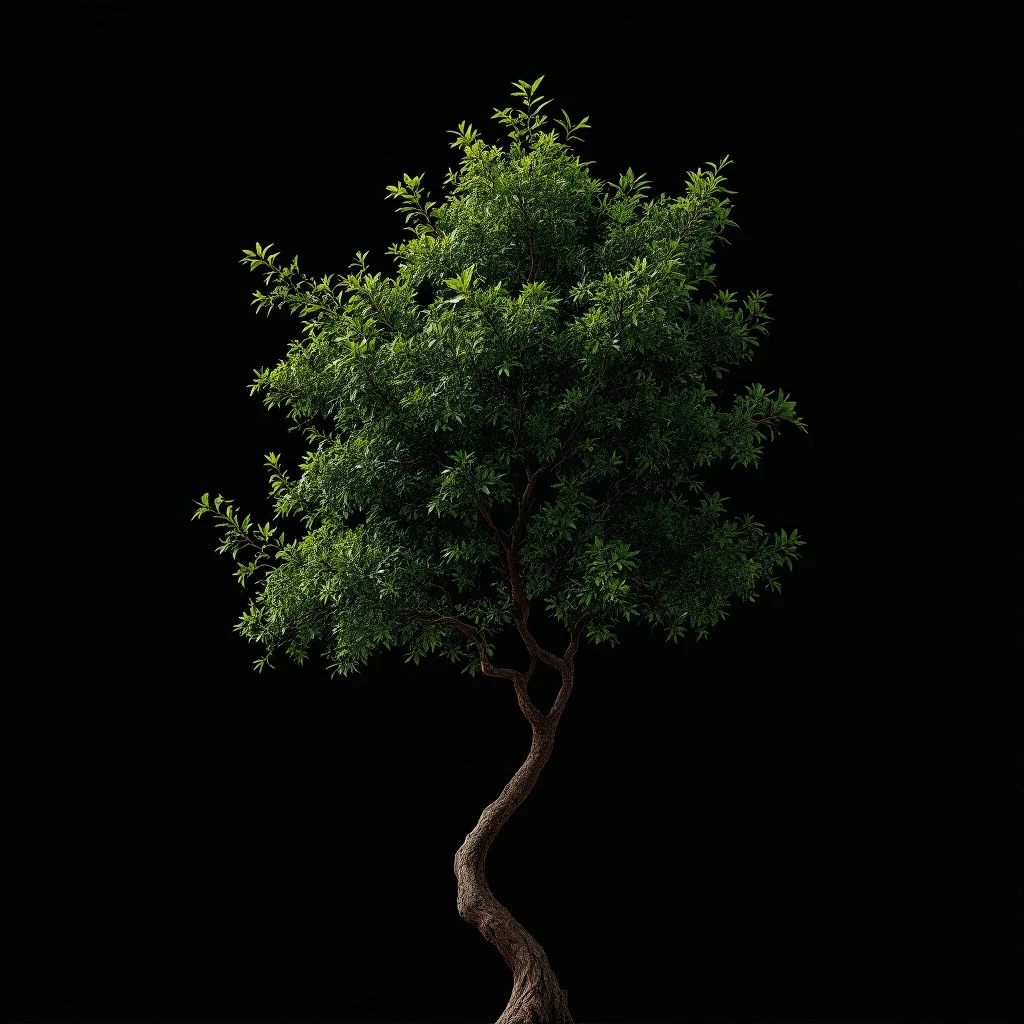
The name cajeput comes from the Malay word kayu putih, meaning white wood, a reference to the tree's pale, papery bark that peels in distinctive layers.







Origin
Vietnam
Cajeput has a documented history stretching back over four centuries in Southeast Asian traditional medicine. Portuguese traders and colonial botanists encountered the tree in the Moluccas during the sixteenth century and documented its use among local populations for treating respiratory ailments, muscle pain, and skin infections. The Malay name kayu putih, meaning white wood, reflects the tree's distinctive pale, peeling bark and was adopted into Dutch as cajeput, which then entered European pharmacopoeias.
Dutch physicians in Batavia began importing the oil to Europe in the seventeenth century, where it gained recognition as a stimulant and antispasmodic. By the nineteenth century, cajeput oil appeared in British and American materia medica as a treatment for cholera, rheumatism, and intestinal parasites. The tree belongs to the same genus as tea tree, and the two oils share a family resemblance, though cajeput carries a brighter, more camphoraceous edge.
In contemporary perfumery, perfumers value cajeput for its ability to add a crisp, cooling top note that anchors fougère and medicinal compositions, bridging the gap between herbal freshness and aromatic intensity.
Wears it best
Fragrances featuring Cajuput Tree
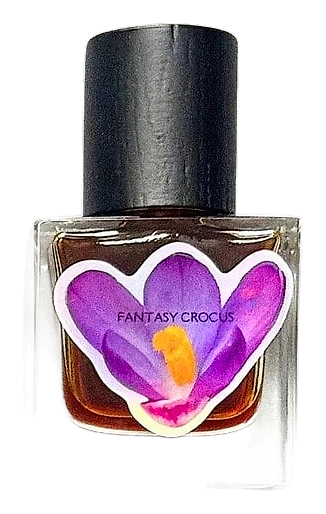
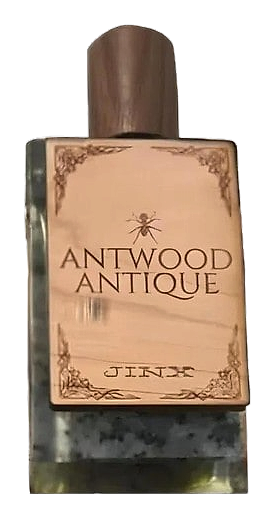
Brands
Brands known for Cajuput Tree
Good to know
Questions, answered
The essentials on Cajuput Tree in perfumery: how it smells, where it comes from, and how it behaves on skin.
What does cajeput smell like in perfumery?
Cajeput delivers a sharp, camphoraceous aroma with herbaceous and medicinal nuances. Its high 1,8-cineole content, often exceeding fifty percent, gives it a penetrating freshness similar to eucalyptus but with a greener, slightly fruity undertone.
Is cajeput the same as tea tree oil?
No, though both come from the Melaleuca genus. Cajeput is distilled from Melaleuca leucadendron, while tea tree oil comes from Melaleuca alternifolia. Cajeput contains significantly more cineole, giving it a bolder, more camphoraceous character.
Where is cajeput oil primarily produced?
Vietnam is the largest producer, followed by Indonesia and Malaysia. Vietnamese output accounts for the majority of global commercial supply, with distillation centered in the Mekong Delta region.
What perfumes commonly use cajeput?
Cajeput appears in aromatic and fougère compositions where perfumers need a bright, cooling top note. It also features in herbal and medicinal-style fragrances alongside lavender, rosemary, and eucalyptus.
Is cajeput oil safe for skin?
Cajeput oil is generally considered safe at low dilution levels. The high cineole concentration means it can irritate sensitive skin if used undiluted, so most perfumery applications keep concentrations below five percent of the final formula.
How long does a cajeput tree take to mature for harvesting?
Cajeput trees reach harvestable size within three to five years, making them faster to cultivate than many other essential oil crops. Mature trees can be pruned repeatedly for leaf harvest over several decades.
Can cajeput and eucalyptus oils be substituted for each other?
They share enough olfactory overlap to substitute in many fresh, aromatic compositions. However, cajeput carries a greener, slightly sweeter edge that eucalyptus lacks, so the swap will subtly shift the final accord.
Why is cajeput sometimes called the white wood tree?
The name derives from the Malay term kayu putih, literally white wood, which describes the tree's distinctive pale bark that sheds in thin, paper-like layers. This visual trait made it instantly recognizable to early European traders.


