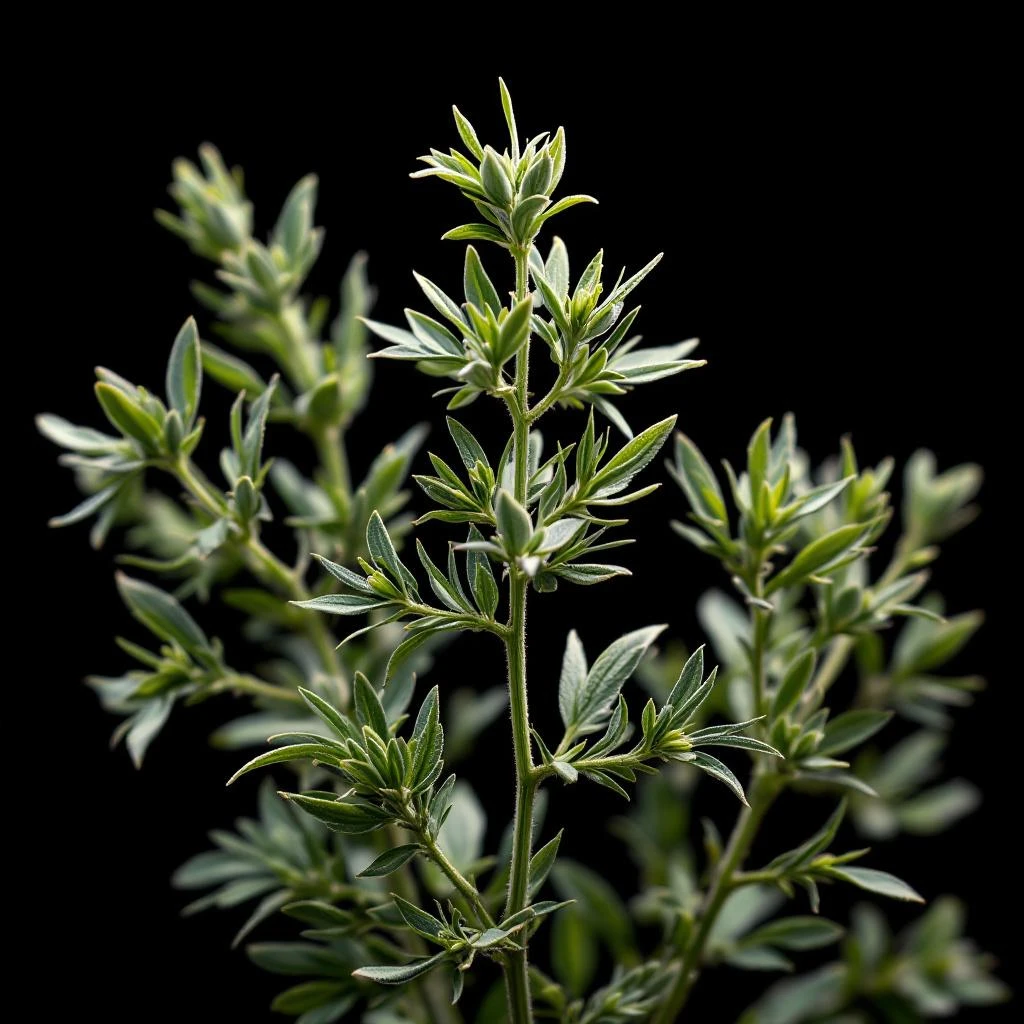
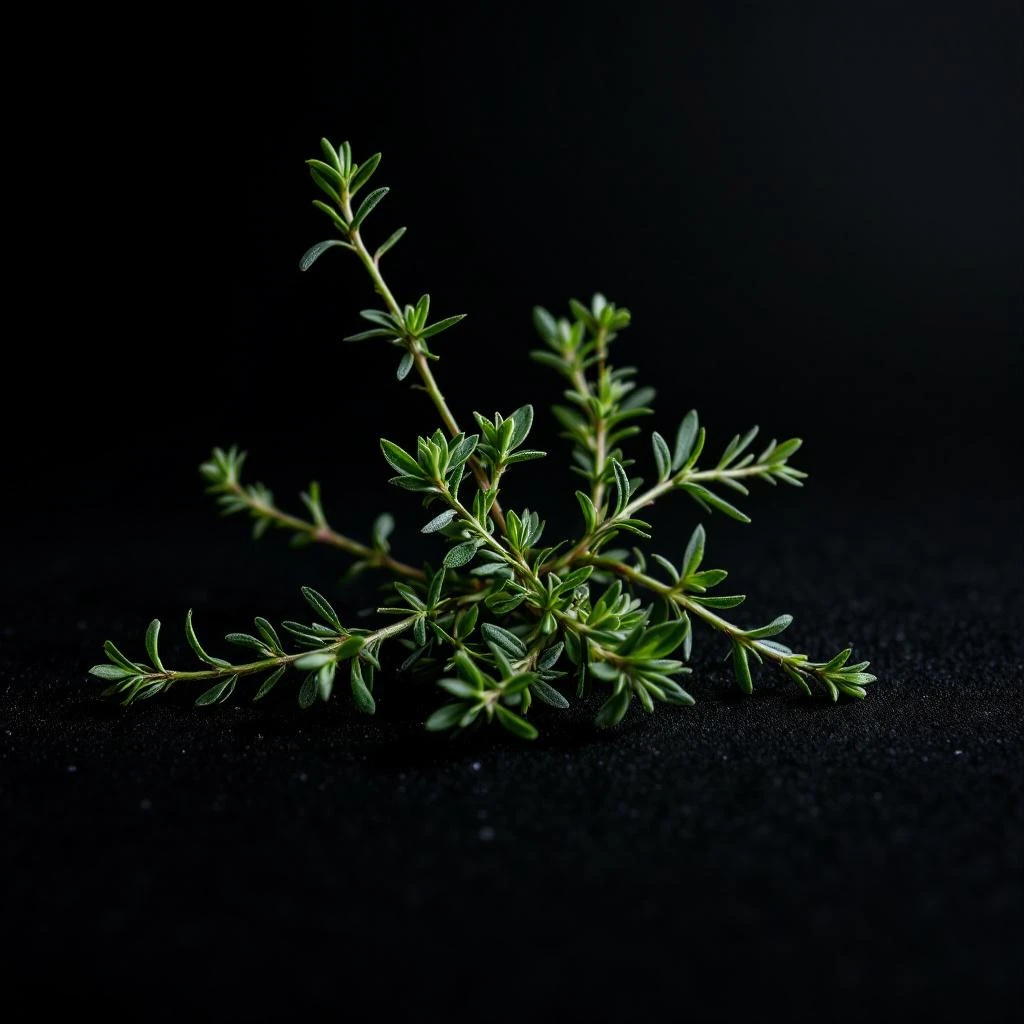
Salvia Leucophylla
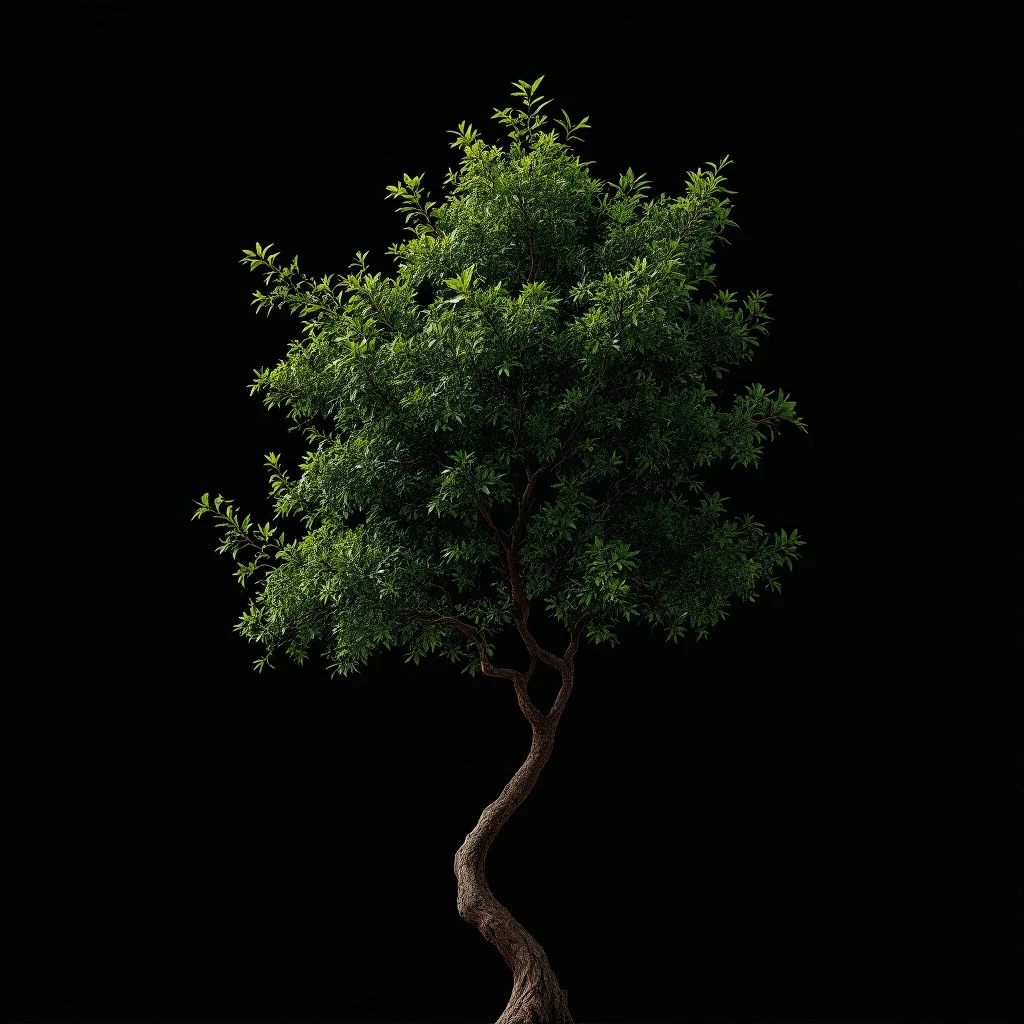
Purple sage of California's coastal ranges releases a bracing, camphor-rich aroma. Its volatile oils, dominated by 1,8-cineole and camphor, define a distinctly dry, herbal character unlike common sage.
Character
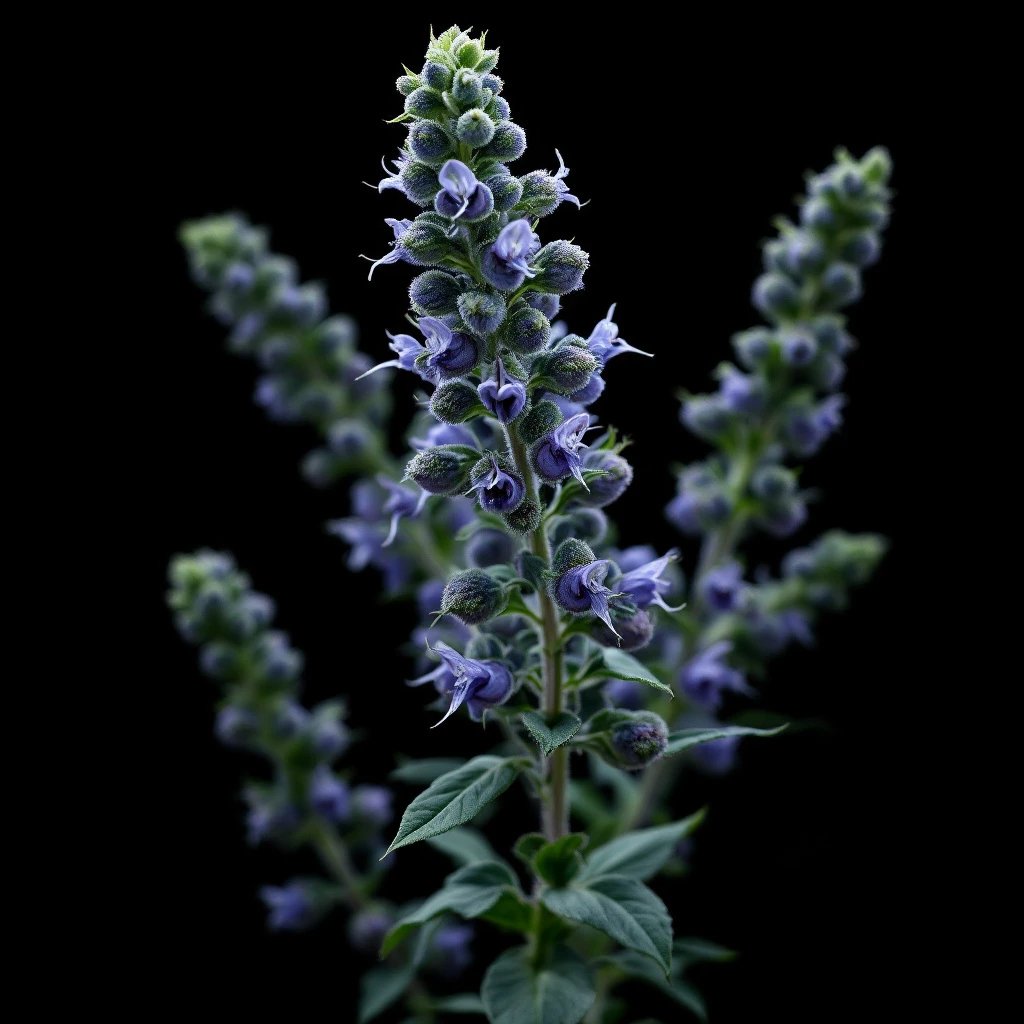
How it smells
California's aromatic native, breathing cineole into coastal hills.
Salvia leucophylla releases monoterpenes into the air that suppress germination in neighboring plants, a phenomenon called allelopathy.




Origin
United States
Salvia leucophylla, known as purple sage or San Luis sage, has long occupied the coastal mountains of southern California and Baja California. Indigenous Californians harvested the seeds for pinole, a ground meal used in everyday cooking, and applied the leaves medicinally for colds and sore throats. Spanish missionaries encountered the plant during the 18th century and referenced it in early colonial records of mission gardens.
In the 1960s and 1970s, University of California researchers including Cornelius Muller studied the species for its aromatic properties. Later ecological work revealed the plant's remarkable chemistry. In 2012, a peer-reviewed study confirmed that S.
leucophylla leaves emit substantial monoterpenes, primarily 1,8-cineole and camphor, which create terpene airsheds that inhibit seed germination in surrounding vegetation. This allelopathic behavior positions purple sage as a keystone shrub shaping California's chaparral ecosystems, and sparked renewed interest in its volatile chemistry among natural product researchers.
Wears it best
Fragrances featuring Salvia Leucophylla
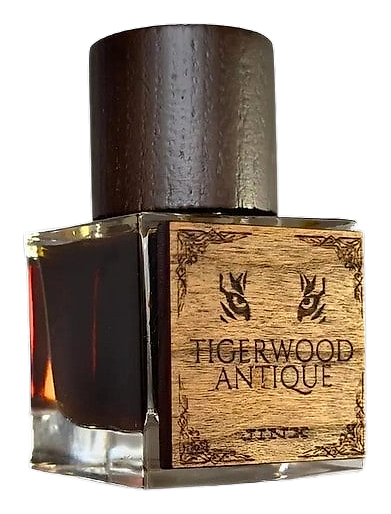
Brands
Brands known for Salvia Leucophylla
Good to know
Questions, answered
The essentials on Salvia Leucophylla in perfumery: how it smells, where it comes from, and how it behaves on skin.
What does Salvia leucophylla smell like?
It carries a sharp, camphoraceous aroma dominated by 1,8-cineole and camphor. Expect cooling, herbal, and slightly resinous tones that feel more aggressive than common garden sage.
Is purple sage the same as Salvia officinalis?
No. Salvia officinalis is the common culinary sage native to the Mediterranean. Salvia leucophylla is a separate species native to southern California and Baja California with a much higher camphor content.
Where does Salvia leucophylla grow?
It grows wild across the southern coastal mountain ranges of California and into Baja California, typically in dry chaparral slopes below 1,500 meters elevation.
Why is purple sage ecologically important?
Its leaves release airborne monoterpenes, mainly 1,8-cineole and camphor, into surrounding soil and air, suppressing seedlings of competing plants and shaping chaparral plant communities.
Is Salvia leucophylla oil available commercially?
Rarely. Purple sage is not a major industrial perfumery material, and any oil on the market typically comes from wild-crafted or experimental small-batch distillations.
What are the main aroma compounds in purple sage?
The two dominant volatiles are 1,8-cineole and camphor, with smaller amounts of borneol, alpha-pinene, and beta-pinene contributing to its cooling herbal profile.
Did Indigenous Californians use Salvia leucophylla?
Yes. Indigenous groups harvested its seeds to make pinole, a ground meal, and used the leaves in traditional remedies for colds and respiratory complaints.
Can purple sage oil be used in perfumery?
Yes in theory, though supply is limited. Its camphoraceous intensity makes it better suited as a top-note accent in herbal or aromatic compositions rather than a standalone ingredient.