The Story
Why it exists.
The beginning
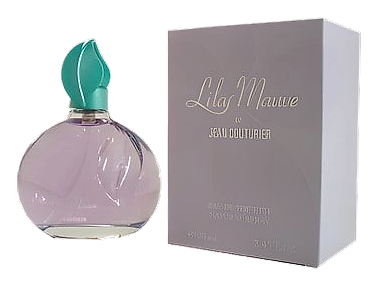
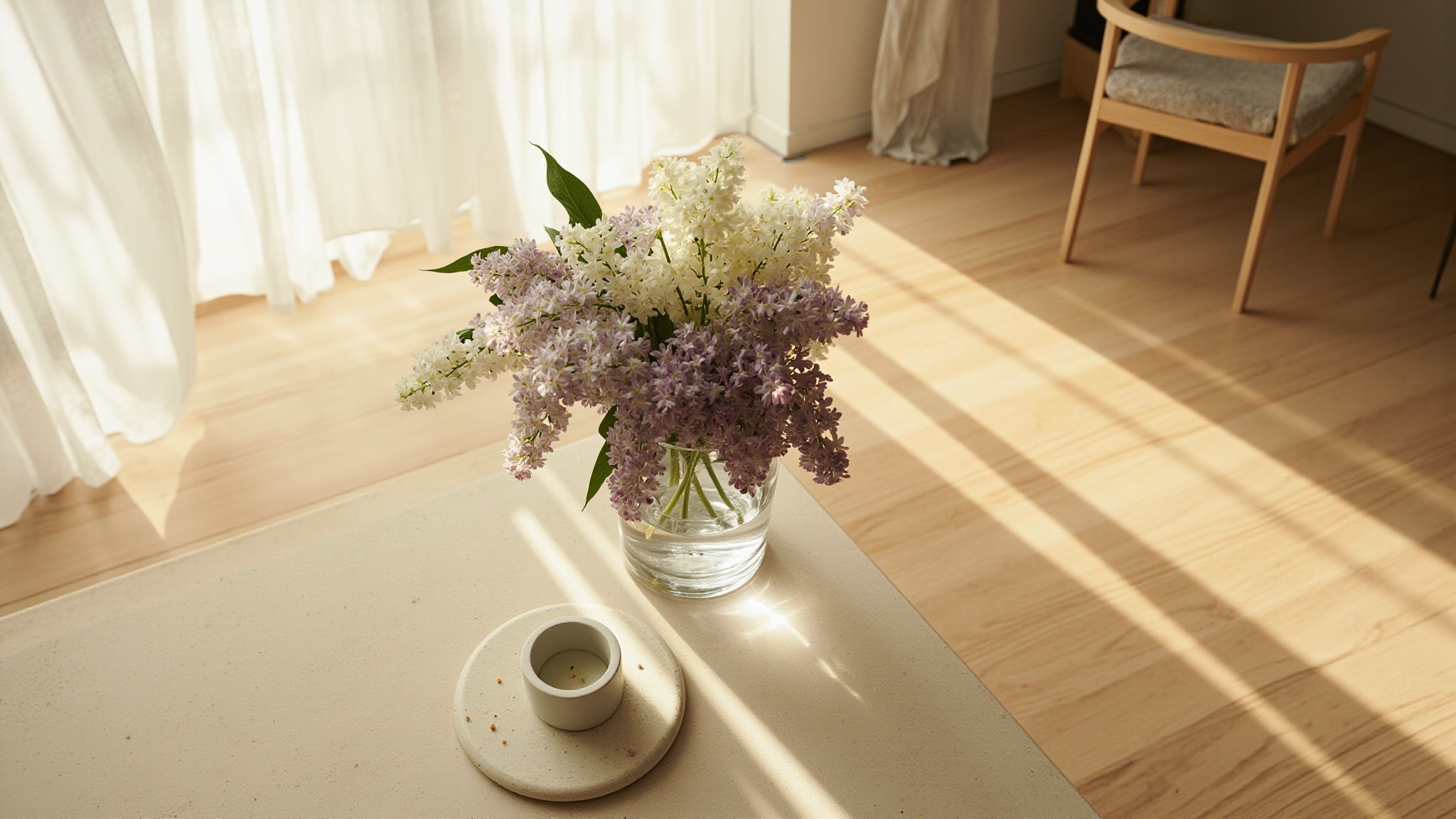
Lilas Mauve is named for the flower itself, lilac, in its mauve iteration, the color of early evening light through sheer curtains. Jean Couturier's house, founded in 1972 and built on Jacqueline's Grasse-trained artistry, had always favored restraint over spectacle. Lilas Mauve followed that logic. It was an argument for lilac as the truest expression of a certain kind of femininity, not the shout of a single bloom, but the exhale of a whole hedge in late spring. The fruit notes arrived as a softening agent, a way to keep the lilac from veering into astringency. But make no mistake: the lilac is the point. Everything else arranges itself around it.
What makes Lilas Mauve interesting is the restraint. Lilac as a note is volatile, it can swing from soapy to heady with barely a nudge from the formulator. Here, the balance tilts toward the dreamy. The white florals (gardenia, jasmine) dovetail with the lilac rather than competing, creating a middle register that's richer than a soliflore but more cohesive than a typical floral bouquet. The ginger and pink pepper in the heart add a warmth that prevents the whole thing from reading as naive or juvenile. It's composed. It knows what it is. And the fruit top, yuzu, pear, mandarin, keeps the opening from feeling heavy before the lilac has had time to unfold.
The evolution
The opening is a citrus shimmer, yuzu and mandarin hitting first, sharp and bright, before gardenia and pear round it into something creamier. Melon adds a soft, almost watery sweetness. Blackcurrant blossom brings a green undertone that keeps everything grounded. Then, within minutes, the lilac takes over. It doesn't announce itself so much as it saturates the composition. The citrus fades. The fruit retreats. What remains is the flower, dense and heady, supported by jasmine and rose in the heart. Ginger and pink pepper lend a warmth that prevents the lilac from reading as soapy. The base arrives slowly, sandalwood first, creamy and soft, then vetiver's earthy dryness, then white musk settling everything into something close, intimate, almost powdery. By the final hours, what lingers is lilac and sandalwood, the flower pressed into warm skin, sweeter now, rounder, the ghost of something that smelled fresh just hours ago. On fabric, the drydown can persist into the next day.
Cultural impact
Lilas Mauve never achieved the commercial reach of its contemporaries, but among those who remember it, the attachment runs deep. The 2001 launch placed it in a moment when floral-fruity was transitioning from classicism toward the aquatic modernity that would dominate the following decade. It represents something of a last breath for a certain style of French femininity in perfumery, composed, garden-forward, unapologetically soft. Wearers describe it as the scent of someone who walks into a room and doesn't need to announce themselves. It's been discontinued for years, which has only deepened its cult appeal among those who discovered it before it vanished. For collectors of early-2000s French florals, it occupies a quiet but meaningful corner.