

Heritage
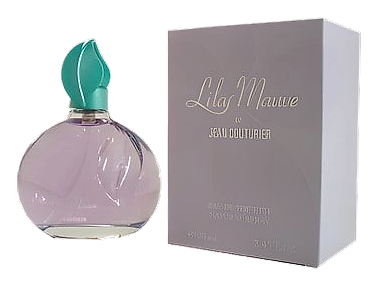
A house, in its own words
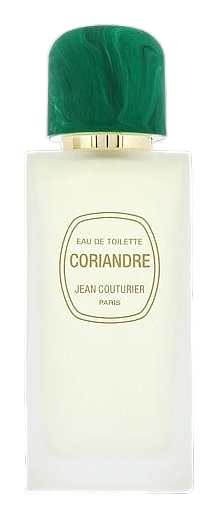
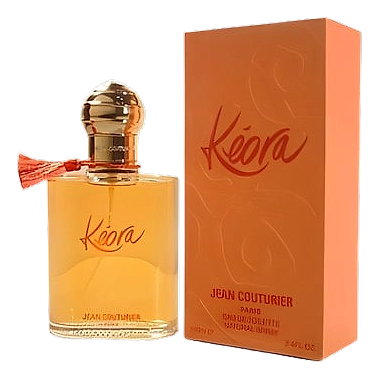
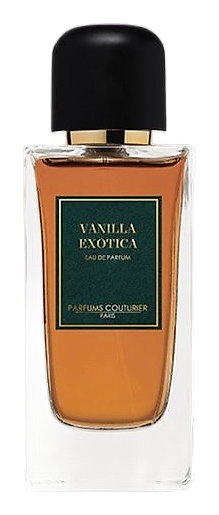
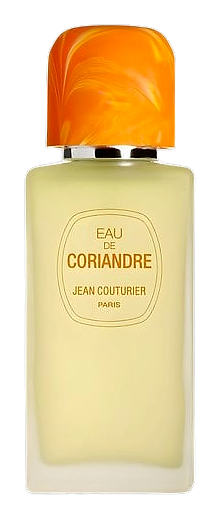
The story of Parfums Jean Couturier begins not with a perfumer himself, but with a husband who recognized his wife's talent before the broader market did. In 1972, Jean Couturier founded his perfume house after Jacqueline presented him with a new composition she had developed. She had trained in Grasse, the historic heart of French perfumery, and came from a family where perfumery was apparently hereditary knowledge passed through generations. Rather than continue working anonymously for leading fashion brands as she reportedly had, Jacqueline's creation became the foundation of a house that would carry her family's name. The inaugural fragrance, Coriandre, arrived in 1973 and immediately distinguished itself. Created entirely by Jacqueline, the rose chypre drew attention for its innovative structure and reportedly rewrote conventions within the industry. French sources describe Coriandre as becoming a precursor to an entirely new fragrance family, the Floral Chypres, influencing how subsequent perfumers approached the genre. The house leaned heavily into its Grasse connection, emphasizing the regional heritage in its positioning. Jacqueline continued as the primary creative force behind the brand's scents while reportedly remaining outside the public eye. Her daughter and granddaughter reportedly continued this perfumery lineage, suggesting the craft has passed through multiple generations of the same family. This domestic continuity defined Jean Couturier differently from houses that cycled through external perfumers or chase market trends. The brand developed a catalog that accumulated quietly over decades, with each release reflecting the house's dedication to established perfumery principles rather than novelty for its own sake. Jean Couturier operated from a philosophy rooted in partnership and understated artistry. The house functioned as a collaboration between two people with complementary roles: Jean handling the business side and Jacqueline providing the creative direction and compounds. This structure kept the house small and focused, allowing decisions to be made based on the quality of a formulation rather than market projections or trend forecasting. Jacqueline reportedly valued originality and technical precision, drawing from her Grasse training to create fragrances that demonstrated control over structure and evolution on skin. The house did not chase recognition or publicity. Many of its releases appeared without fanfare, developed according to Jacqueline's standards rather than marketing committee input. This approach produced a catalog characterized by variety rather than house signature. Each fragrance explored different territories, from the aromatic profile of Keora to the powdery lightness of Lilas Mauve to the rich vanilla orientation of later releases. The brand's resistance to self-promotion meant it remained somewhat outside mainstream fragrance discourse despite its longevity. For those who encountered the house, the experience was often one of discovering something established and reliable rather than marketing-driven or fashionable. The family dimension added another layer: perfumery here was not merely a commercial enterprise but craft transmission across generations, endowing each bottle with the accumulated expertise of the Couturier lineage. This philosophy prioritized longevity and integrity over accolades, and it showed in a body of work that spanned more than fifty years without apparent compromise.