The Story
Why it exists.
The beginning
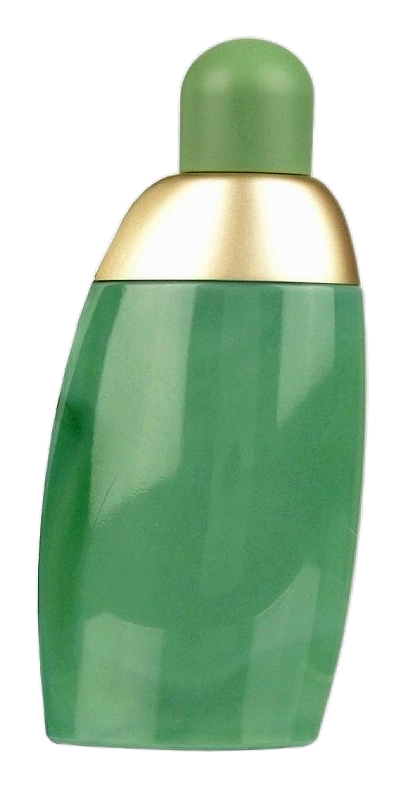
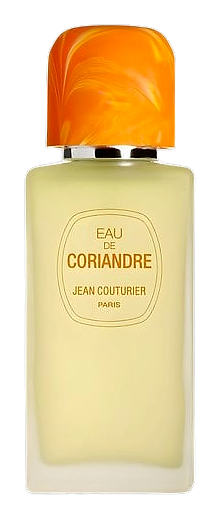
In 1996, Jean Couturier's house released a fragrance that shared a name with their 1973 debut but little else. The original Coriandre was Jacqueline Couturier's rose chypre, dark green, mossy, and structural. Eau de Coriandre took the name and discarded everything else. Where Coriandre opened sharp and herbal, this version opened with tangerine and tropical fruit. The house had built its reputation on Jacqueline's technical precision and original vision. This flanker demonstrated something equally valuable: the willingness to reimagine rather than repeat.
The structure reveals the intent. Six top notes, tangerine, bergamot, galbanum, pineapple, mate, and melon, could easily become a muddy sweetness. Instead, they layer into something that reads as cool and aromatic rather than heavy. Galbanum's herbal bitterness keeps the tropical fruits from cloying. Mate adds an unexpected savory note, the bitter leaf of a South American plant that reads more green-tea than mate-tea in this context. The heart leans into creaminess: white peach and peony create a soft, full floral middle. Marigold adds a warm herbal note that pushes against pure sweetness. The base, cedar, sandalwood, white musk, grounds everything without darkening it.
The evolution
The opening hits immediately: tangerine and bergamot for brightness, galbanum for that sharp green bite, pineapple and melon for tropical sweetness. The mate is there from the start, adding an aromatic bitterness that few fragrances attempt. It reads as cool, almost mint-adjacent, before the florals take over. Around 15 minutes in, freesia and peony emerge, cool petals meeting lush fullness. White peach adds a creamy sweetness that smooths the transition. The violet leaf and lily of the valley appear as supporting actors, keeping the heart fresh rather than heavy. For the next two to three hours, this is a floral-fruity cloud. Close to the skin. Moderate projection. The kind of scent that someone standing next to you will notice before you do. The drydown arrives gradually. Florals fade first, then the fruity sweetness. What remains is cedar and sandalwood, warm, woody, intimate. White musk underneath keeps it clean. Nutmeg and cardamom linger as dry spice. On fabric, this base can last into the next day.
Cultural impact
Eau de Coriandre occupies an interesting position: a flanker that deliberately rejects its predecessor's identity. Where the original Coriandre defined the house, this 1996 release demonstrates the range of its creator. Wearers describe it as cheerful, fruity, and creamy, a sharp departure from the dark green chypre that made the house's name.