The Story
Why it exists.
The beginning
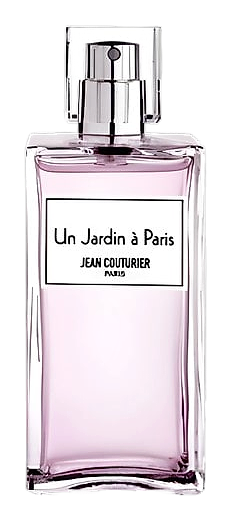
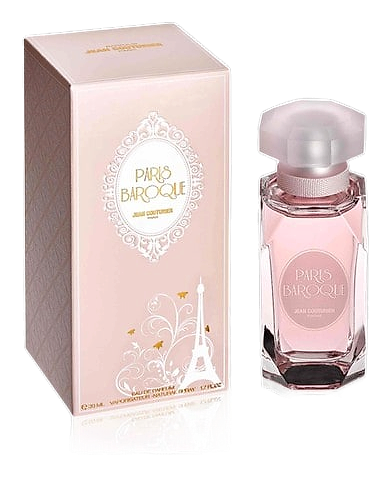
Paris Baroque arrived in 2014 from Benoist Lapouza at Jean Couturier. The name alone tells you what this fragrance is trying to do: take the excess of 17th and 18th century Parisian ornamentation and distil it into something you can wear. The scent captures that baroque spirit through a sophisticated blend of notes, translating historical opulence into modern wearability. Lapouza designed this as a tribute to the refined excess of French feminine elegance. The bottle reinforces the message: faceted glass catching light, pale pink juice, romantic ornaments and an Eiffel tower silhouette on the carton. It's all very deliberate. This is a fragrance for someone who already knows what she likes and doesn't need permission to wear it.
What makes Paris Baroque interesting is the way it handles powder. Heliotrope sits at the center of the heart, pulling the whole composition toward that soft almond-blossom sweetness, while neroli keeps things clean and bright. The tropical-fruity top notes arrive with a shimmering quality, offering a brief burst of sweetness before yielding to the florals. It's a quiet architecture, actually. The sillage maintains a moderate presence throughout wear, creating an intimate bubble rather than announcing itself across the room.
The evolution
Paris Baroque opens with a bright, sweet jolt. Blackcurrant, lychee, peach, the fruity top layer arrives immediately, almost confectionery in its immediacy. Then the freesia softens everything, pulling the opening toward powder before the florals fully arrive. As the fragrance develops, the rose and jasmine gradually take their place in the heart, with heliotrope intensifying the powdery quality as the fruity notes recede. The base notes emerge with vanilla and amber warming the composition from underneath, while cedar and patchouli add just enough structure to keep the sweetness from becoming cloying. Musk softens everything further, creating a gentle warmth that persists in the drydown. The scent leaves a subtle trail that someone notices when standing close enough to matter.
Cultural impact
Paris Baroque arrived in 2014 as part of the Jean Couturier house's broader mission to translate understated French artistry into wearable form. The launch tapped into a distinctly French feminine aesthetic, with the baroque-inspired naming and positioning drawing from historical artistic movements. The powdery-floral-fruity structure echoed a romantic sensibility that feels both intimate and accessible. The fragrance offers a modern interpretation of classical elegance, bridging heritage luxury with contemporary sensibility in a way that feels neither dated nor overly trendy.
The House
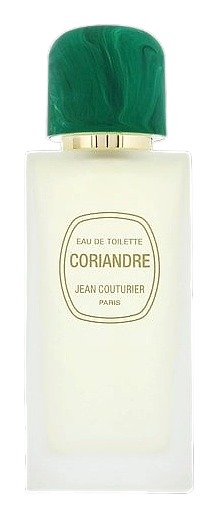
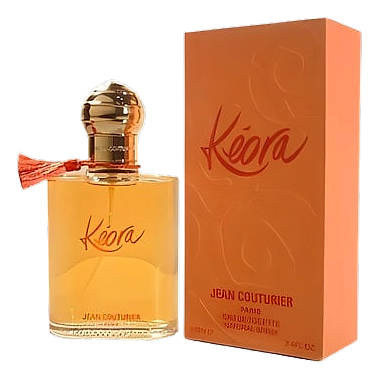
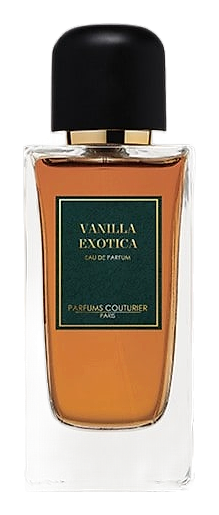
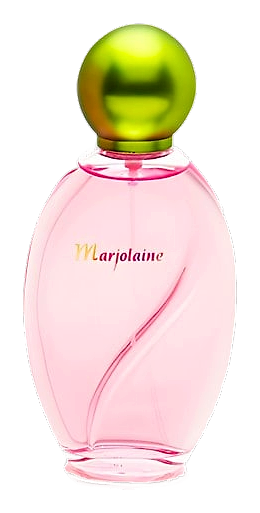
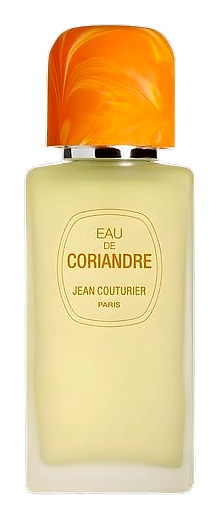
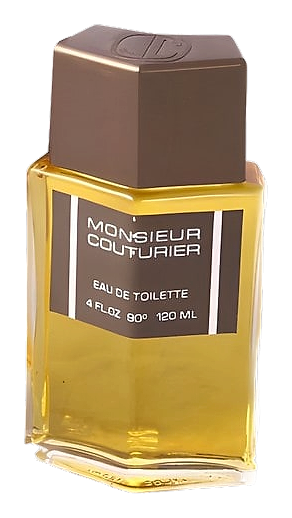
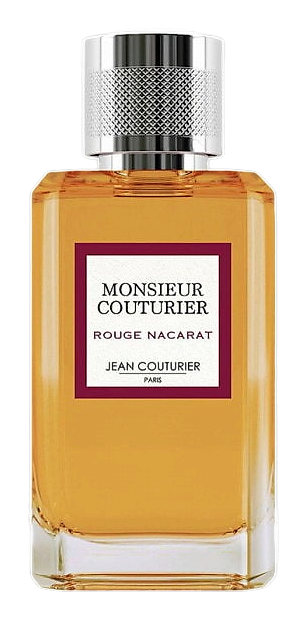
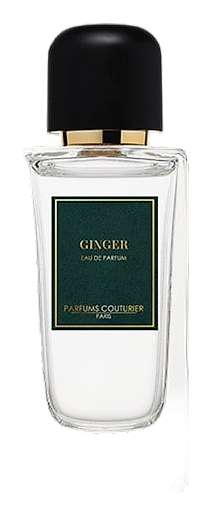
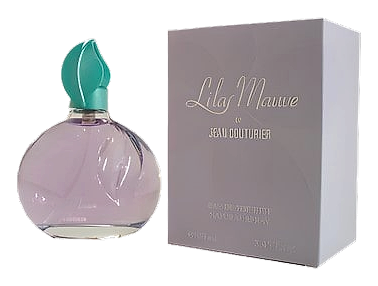
Jean CouturierJean Couturier is a French fragrance house established in 1972 by Jean Couturier and his wife Jacqueline, a perfumer trained in Grasse who came from a lineage of perfumers. The house built its identity around Jacqueline's creative vision, producing fragrances that reflected her exceptional training and familial heritage in French perfumery. Coriandre, released in 1973, became the inaugural creation and laid the groundwork for what would become a distinctive portfolio spanning everything from aromatic chypres to vanilla-forward orientals. The house maintained a relatively measured presence in the market, offering perfumes primarily for women while occasionally branching into masculine territory. Their catalog developed over decades, with releases like Keora (1983), Marjolaine (1997), and Lilas Mauve (2001) demonstrating breadth across fragrance families. Vanilla Exotica in 2019 and Rouge Nacarat in 2025 show the house continuing to create new work well into its fifth decade. Understated and grounded in Grasse tradition, the Jean Couturier house represents a particular kind of French perfumery: quiet confidence, technical mastery, and a commitment to craftsmanship that survived across generations of the same family.
The Creator
Benoist LapouzaBased on his work with By Kilian, Benoist Lapouza seems drawn to rich, gourmand accords blended with boozy notes and warm spices. He likely favors using high-quality raw materials and has a knack for creating fragrances with significant depth and longevity.