
The Story
Why it exists.
The beginning
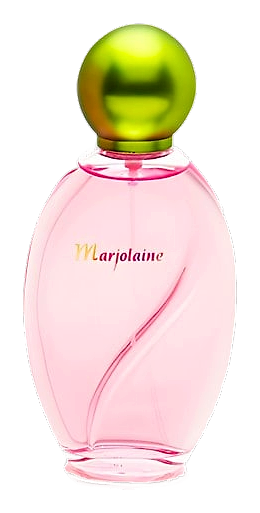
Marjolaine arrived in 1997, named after marjoram, the herb at its opening. Perfumer Jean-Claude Delville built the composition around a tension between green herbs and aquatic florals, an unusual pairing for its era. The fragrance emerged from a collaboration with Diana de Silva Cosmétiques, placing it within a specific moment in 90s French perfumery when green-floral compositions were being reimagined. The name itself signals intent: not a flower, not a fantasy note, but an herb. Something grounded. Something that would rather be in a garden than on a vanity.
What makes Marjolaine unusual is its structure. The heart combines water lily, hyacinth, and lotus, aquatic florals that could easily tip into something floaty or diffuse. Instead, the marjoram keeps everything grounded. The herb doesn't overpower; it restrains. It gives the florals a slightly savory counterpoint that prevents them from becoming decorative. The base introduces heliotrope and sandalwood, creating a powdery warmth that rounds the composition into something cohesive. Cedar anchors it further. The result is a fragrance with genuine complexity, not in the sense of being challenging, but in the sense of having real structural interest.
The evolution
The opening is crisp. Mandarin leaf gives way to marjoram's herbal character, a brief, almost savory moment before the florals arrive. The handoff is graceful: water lily and hyacinth rise through the green, their aquatic quality softening the herbs into something calmer. By the heart, the composition has settled into its quiet register. The lotus adds a slight sweetness, but it's restrained, never cloying. The hyacinth brings a green floral note that bridges the opening and the drydown. The drydown is where Marjolaine earns its powdery classification. Heliotrope takes over, with sandalwood and cedar providing a soft woody base. The sillage remains intimate, this fragrance does not announce itself. On fabric, it lingers for hours. On skin, expect 4-6 hours of a quiet, close trail that rewards proximity.
Cultural impact
Marjolaine occupies a quiet corner of 90s perfumery, green-floral, aquatic, powdery. It's the kind of fragrance worn by someone who prioritizes personal satisfaction over projection. Those who seek it out tend to appreciate its unusual herb-aquatic combination and its refusal to be loud.
The House
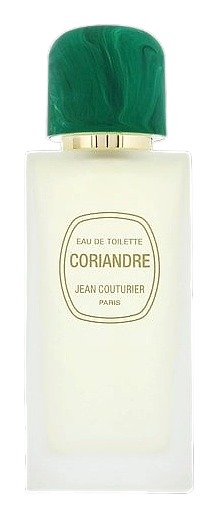
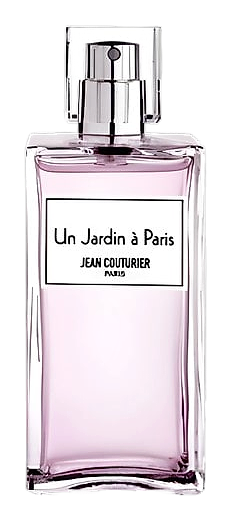
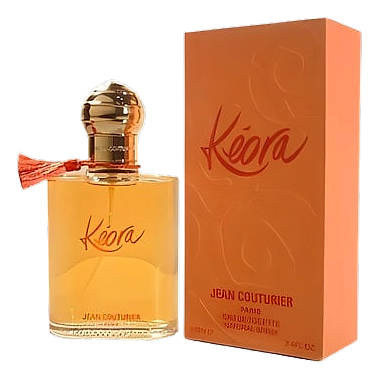
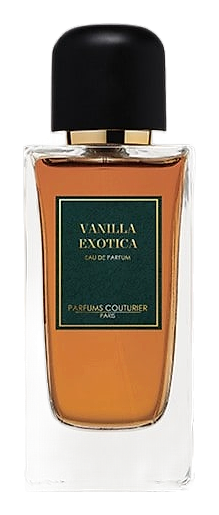
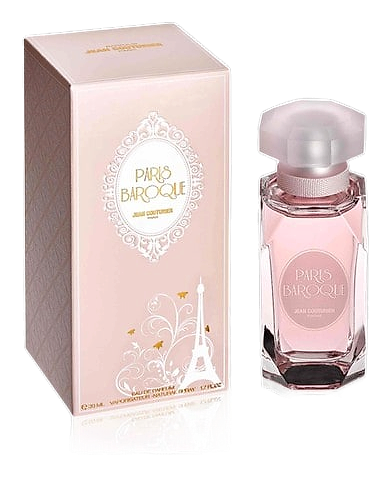
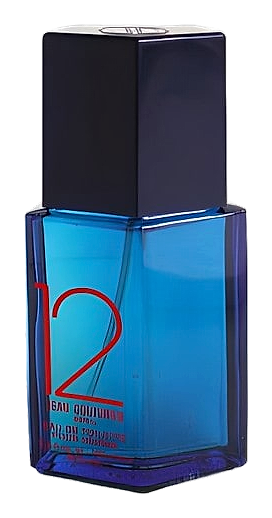
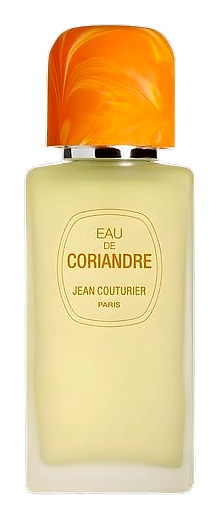
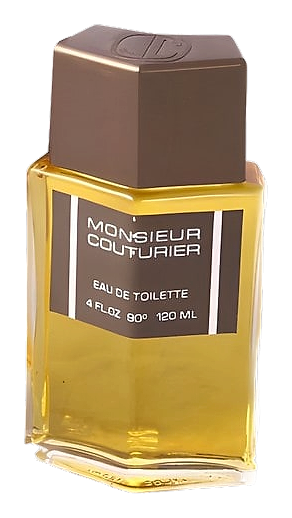
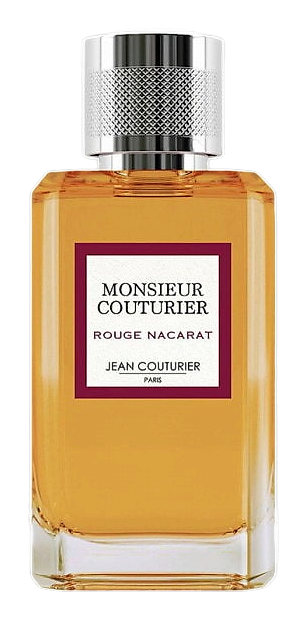
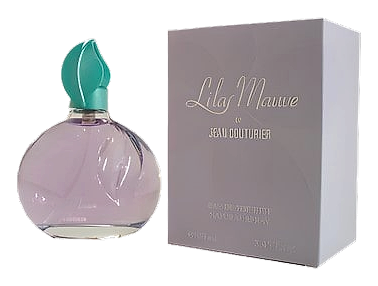
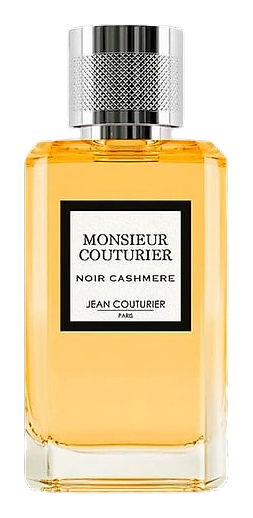
Jean CouturierJean Couturier is a French fragrance house established in 1972 by Jean Couturier and his wife Jacqueline, a perfumer trained in Grasse who came from a lineage of perfumers. The house built its identity around Jacqueline's creative vision, producing fragrances that reflected her exceptional training and familial heritage in French perfumery. Coriandre, released in 1973, became the inaugural creation and laid the groundwork for what would become a distinctive portfolio spanning everything from aromatic chypres to vanilla-forward orientals. The house maintained a relatively measured presence in the market, offering perfumes primarily for women while occasionally branching into masculine territory. Their catalog developed over decades, with releases like Keora (1983), Marjolaine (1997), and Lilas Mauve (2001) demonstrating breadth across fragrance families. Vanilla Exotica in 2019 and Rouge Nacarat in 2025 show the house continuing to create new work well into its fifth decade. Understated and grounded in Grasse tradition, the Jean Couturier house represents a particular kind of French perfumery: quiet confidence, technical mastery, and a commitment to craftsmanship that survived across generations of the same family.
The Creator
Jean-Claude DelvilleDelville's style resists easy summary, which is perhaps the point. He moves between floralorientals, fresh citruses, and powdery aldehydic compositions with apparent ease.