European white water lily
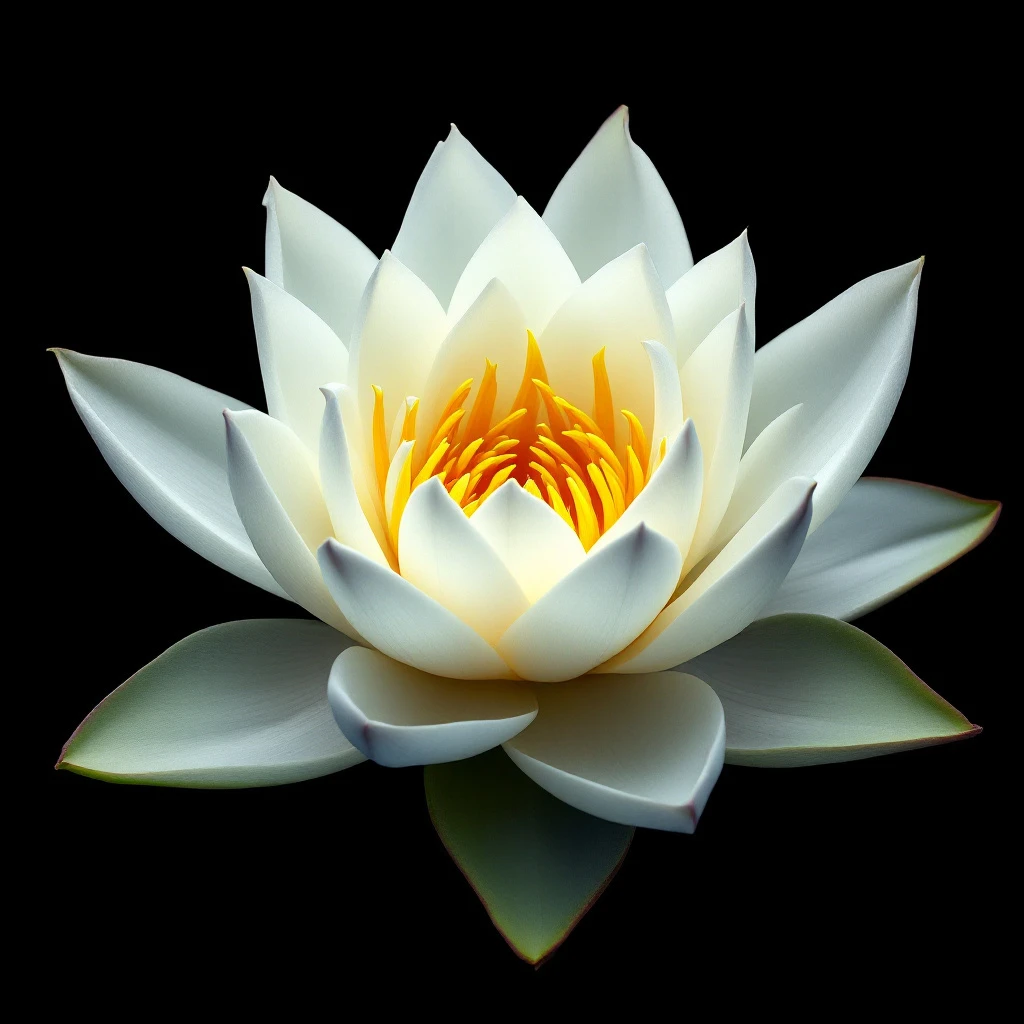
European white water lily carries an airy, aquatic freshness that evokes sunlit ponds and morning dew. Despite its visual prominence in art and gardens, this bloom produces virtually no extractable fragrance, making it a perfumer's most elegant illusion.
Character
How it smells
The silent beauty that perfumers must imagine into being.
Unlike jasmine or rose, white water lily yields no usable aromatic extract, classified as a mute flower that exists in formulas only through laboratory reconstruction.






Origin
France
European white water lily, scientifically known as Nymphaea alba, has symbolized purity and tranquility across European cultures for centuries. Ancient Greeks associated these blooms with water deities, while medieval herbalists catalogued their medicinal properties. In gardens, nobility cultivated them in estate ponds for aesthetic appreciation.
Yet perfumery could never access their scent until organic synthesis advanced in the early twentieth century. The challenge of rendering mute flowers like water lily gave rise to some of perfumery's most sophisticated aromatic chemistry, shifting the craft from pure botanical collection toward creative reconstruction.
Wears it best
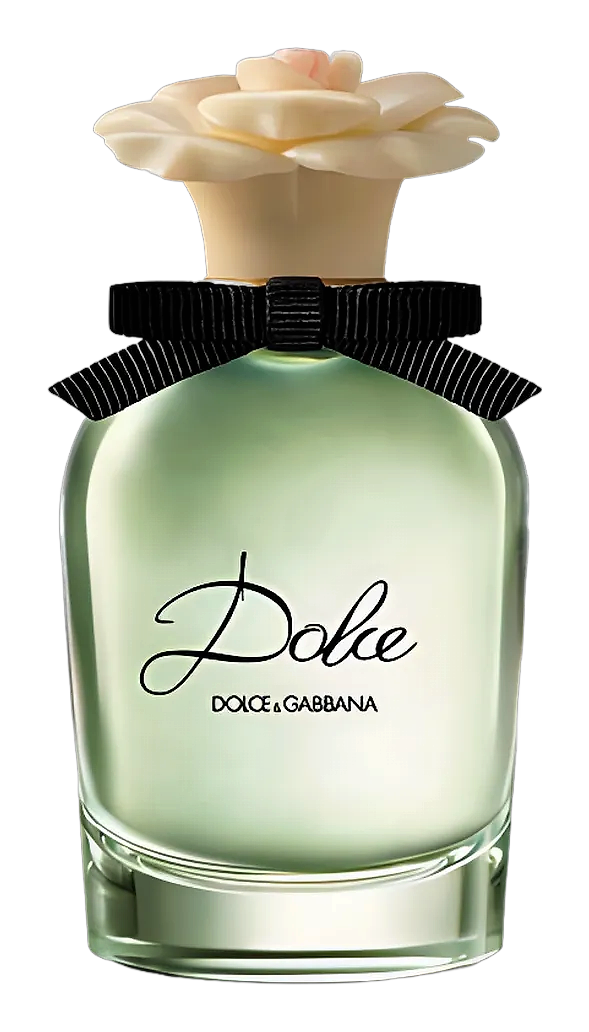
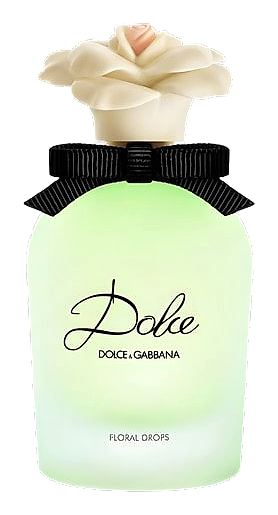
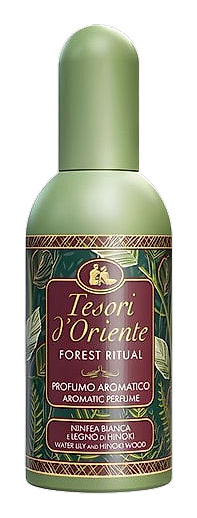
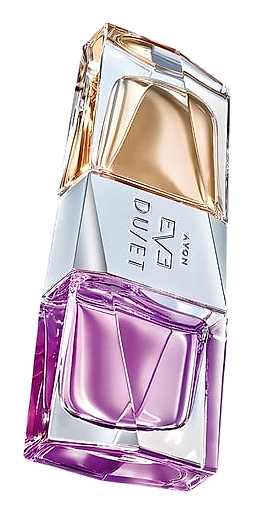
Fragrances featuring European white water lily
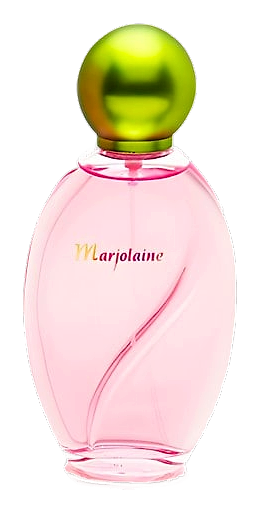
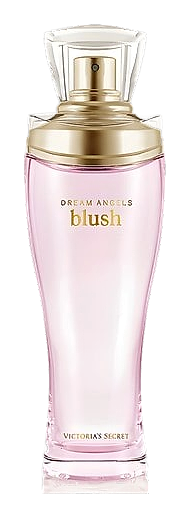
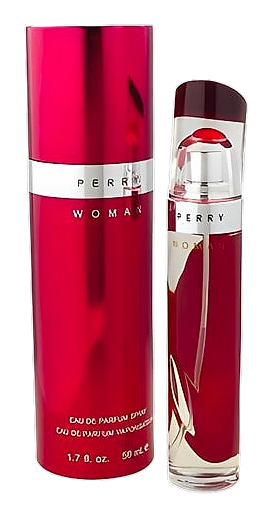
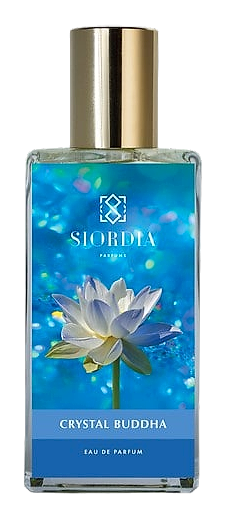
Brands
Brands known for European white water lily
Good to know
Questions, answered
The essentials on European white water lily in perfumery: how it smells, where it comes from, and how it behaves on skin.
Does European white water lily smell like the actual flower?
Yes, modern reconstructions capture the aquatic, slightly green freshness of water lily floating on still European ponds. Expect dewy, watery tones with subtle white floral sweetness.
Why can't water lily fragrance be extracted naturally?
Water lily registers as essentially scentless to human olfactory receptors. Its aromatic compounds exist in quantities too minute for commercial extraction, earning it mute perfume material status.
What does water lily smell like in a fragrance?
The scent reads as cool, aquatic, and airy with green and watery characteristics. on the drydown, it develops subtle white floral and musky qualities that evoke morning pond atmospheres.
Which fragrance families commonly feature white water lily?
Fragrancers use it primarily in aquatic and green perfume families. It appears frequently in women's summer releases and fresh unisex compositions where its breezy character enhances citrus or marine accords.
Is European white water lily considered natural in perfumery?
No. While the flower itself grows naturally across European waterways, its fragrance exists only through synthetic aromatic compounds designed to replicate the natural scent profile.
How do perfumers create convincing water lily accords?
Perfumers combine aquatic chemicals like calone with green aldehydes, soft musks, and peony-like esters. This aromatic blend reconstructs the dew-laden, slightly sweet freshness that the actual bloom suggests visually.
What complementary ingredients pair well with white water lily?
The note partners naturally with citruses, marine accords, lightwoods, and green tea. It also combines well with other white florals like jasmine and gardenia for fuller floral compositions.
When did water lily become available as a fragrance material?
The mute flower challenge meant water lily only entered perfumery formulations after aromatic chemistry advanced in the early twentieth century, when synthetics could reimagine elusive natural scents.