The Story
Why it exists.
The beginning
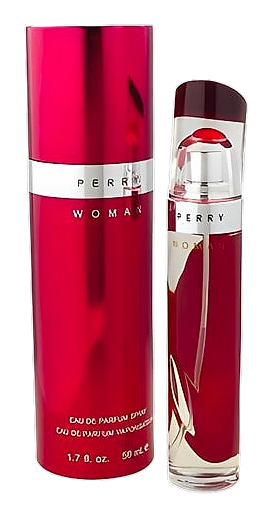
2002. Perry Ellis was already two decades into its particular American experiment, effortless sophistication, clothes that moved, fragrances that worked. Perry Woman arrived as a statement about what refinement could feel like when it stopped trying. Not ceremonial. Not demanding. Just a scent that belonged to the person wearing it, built for the rhythm of actual days. The name said it all. Not "Perry Woman" as a declaration. More like a quiet possessive, this woman's fragrance, uncomplicated by the weight of occasion. The composition leaned into that identity from the start: orchid and water lily as a signature pairing that felt right for the moment, flowers that moved together like old friends finding their place in an accessible American wardrobe.
Orchid in mainstream fragrance has always been an oddity. It's expensive to extract, it doesn't announce itself the way jasmine does, and in 2002 naming it upfront on a mass-market bottle was almost a provocation, like admitting you were reaching for something beyond the usual. Water lily added the counterbalance: that clean, almost crystalline transparency that keeps the whole thing from settling into sweetness. The result is a fragrance that doesn't fully explain itself in the opening. Bergamot sparks. The lily reads clear. But the orchid is the quiet undercurrent, felt more than recognized at first. It's a structure that rewards attention rather than demanding it.
The evolution
The bergamot sparks first. Tart, bright, brief, a citrus courtesy before the real work begins. Within minutes the water lily arrives and reshapes the space, introducing an aquatic clarity that tempers everything. The orchid slips in underneath, not announcing itself but deepening the impression of cool green florality. The interplay between these two notes creates something unexpected, a stillness at the opening that feels deliberate rather than sparse. The heart takes its time arriving. Jasmine and rose sit down together, creamy and warm without tipping into sweetness, while tuberose adds a quiet richness that could overwhelm if left unsupervised. Pink lotus keeps it cool, keeps it feminine, keeps it from feeling like a statement. These florals weave together into something greater than their parts, each one tempering the others until the whole feels balanced and complete.
Cultural impact
Perry Woman occupies a specific corner of American fragrance culture: the accessible floral that doesn't behave like it has something to prove. The orchid-water lily pairing felt distinctive enough to stand apart without demanding attention, the kind of scent that reads as quietly personal rather than obviously chosen. It sits comfortably in the tradition of American sportswear thinking applied to fragrance, where ease of wear has always mattered more than showmanship. The composition found its audience among women who wanted something that felt like second skin, a fragrance that worked with them rather than for them.