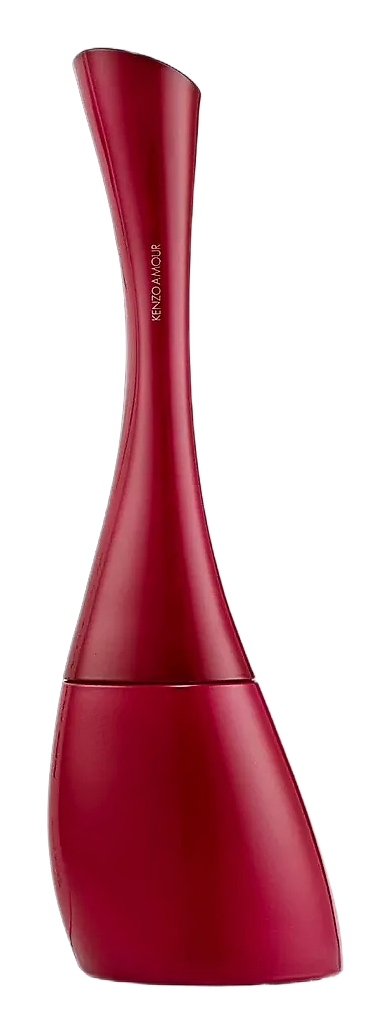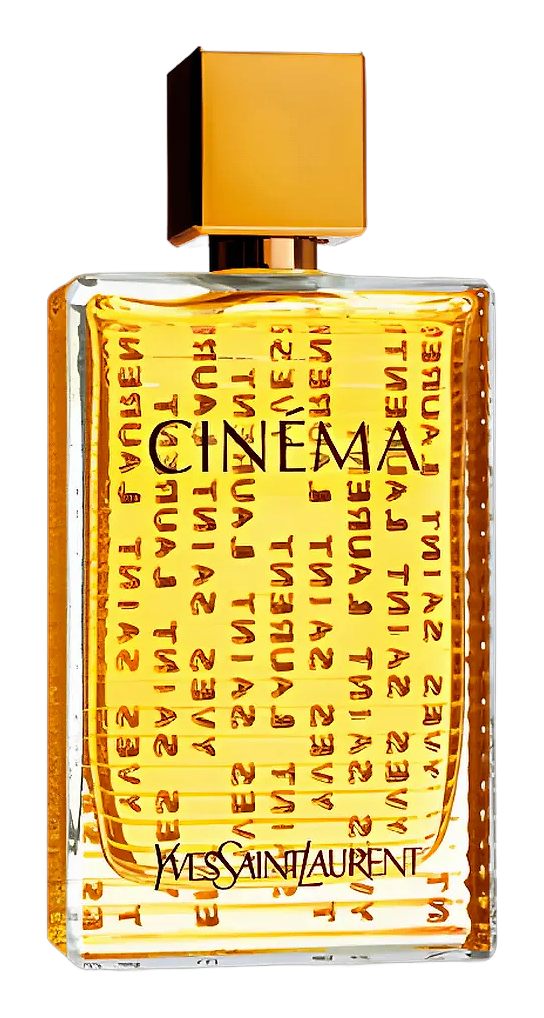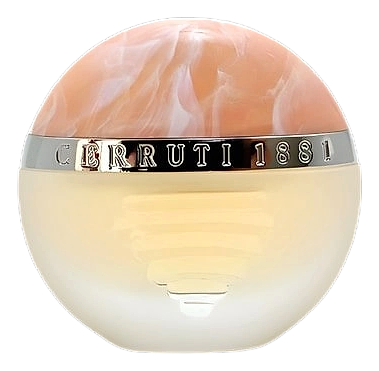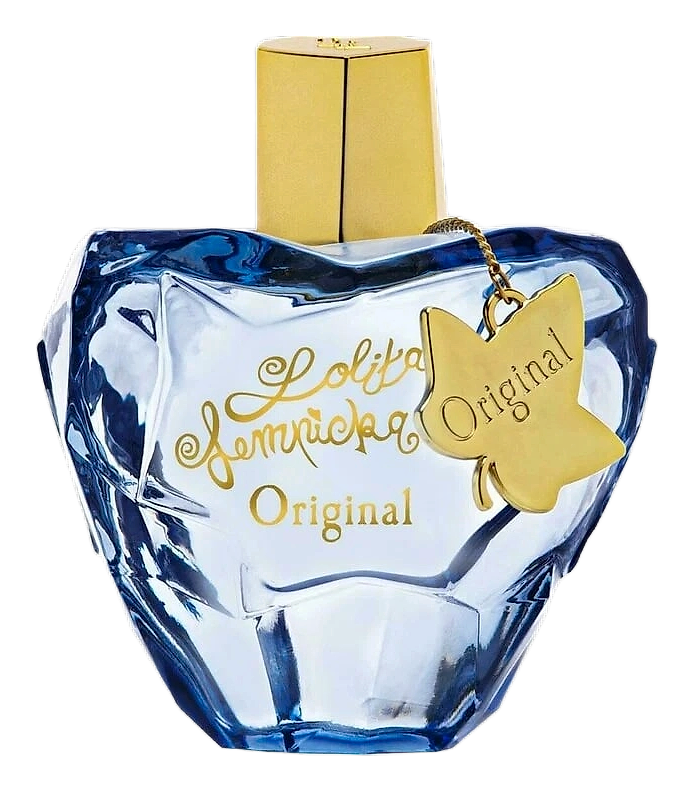
The Story
Why it exists.
The beginning
Francis Kurkdjian created Muse for Joop! in 2003. By then, the German house had built its fragrance identity on boldness, compositions that refused to recede. Kurkdjian took a different direction. Someone inspires. Someone else becomes something larger than themselves because of it. He answered with champagne bubbles and white florals, then let the warmth arrive slowly, the way inspiration does when you've stopped looking for it. The fragrance unfolds as if discovered rather than announced, its brightness giving way to something intimate and lasting.
The structure is deliberate. Champagne and orange peel open bright, that first rush of attention. Then the florals unfold one by one, each adding a layer of presence without overwhelming. The base is where it gets interesting: heliotrope and white musk create a powdery warmth, but almond and vanilla add something almost edible. It's not sweet for the sake of it. It's sweet the way skin is warm after a long day, natural, earned, impossible to manufacture.
The evolution
The opening hits like fizz, champagne and orange peel lifting everything. For a spell, that's all there is: bright, effervescent, attention-getting. Then the florals begin their slow takeover. White lily arrives first, creamy and quiet. Jasmine follows, then tuberose takes over, richer, more heady, almost tropical. The citrus fades. The florals don't compete anymore; they've won. Eventually the drydown settles in. Heliotrope and white musk create a powdery warmth that wraps around skin like something worn close. Almond and vanilla add a softness that lingers. The final hours carry a quiet trace of warmth, the kind you notice when you're not specifically looking for it.
Cultural impact
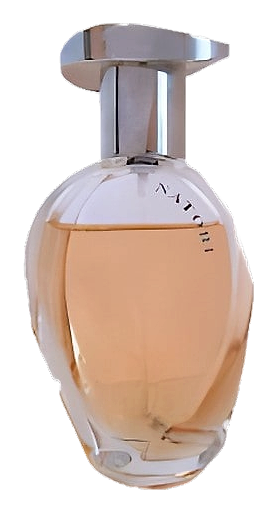
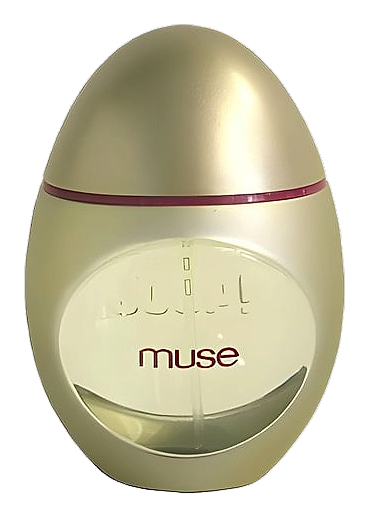
Muse occupies a specific space in the Joop! collection. The 2003 launch placed it within a certain moment for oriental florals, but Kurkdjian's structure gives it a trajectory that feels modern: bright opening, full heart, warm close. The Ora-Ito bottle, oval, ergonomic, distinctive, signals that this isn't just another fragrance. It's a design object as much as a scent.