The Story
Why it exists.
The beginning
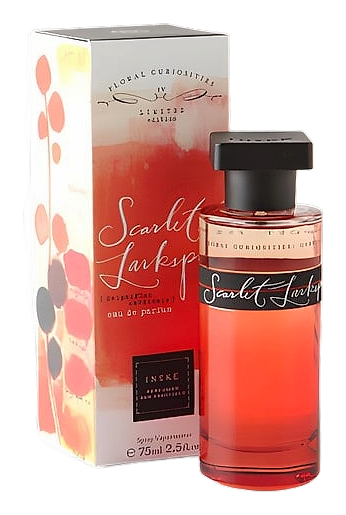
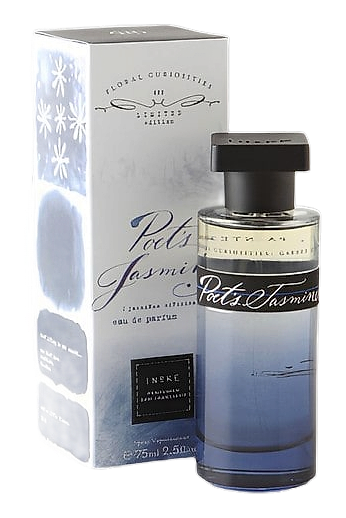
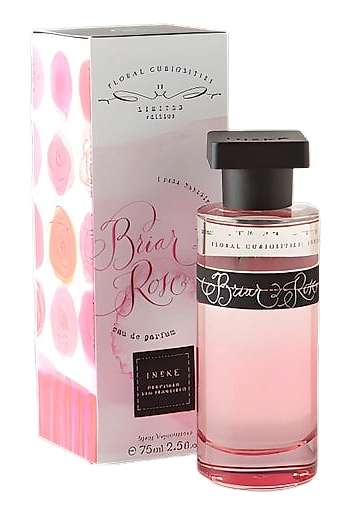
Briar Rose is named for Rosa rubiginosa, the sweetbriar rose, a wild species covered in hooked thorns and small, intensely scented flowers. Unlike the fatheaded hybrids of the garden, this rose grows where it wants, smells like crushed leaves as much as blooms, and refuses to be polite about it. Ineke Rühland built the fragrance around this untamed character. The 2011 release was part of Floral Curiosities, a collection created exclusively for Anthropologie stores, where each scent arrived in clear cylindrical glass bottles decorated with hand-drawn prose and watercolor illustrations. Briar Rose was the dark one, the one that took the rose name and refused to behave like a rose should. It launched alongside Angel's Trumpet, Poet's Jasmine, Scarlet Larkspur, and Sweet William, five fragrances that read more like short stories than perfume briefs.
What makes Briar Rose work is the tension between the wild and the warm. The eglantine rose, an actual wild rose, not a cultivated hybrid, carries a leafier, more herbaceous quality than you'd expect from a perfume named after flowers. It doesn't smell like a florist. It smells like the plant, the thorns, the green stems. Then there's the cocoa absolute and bitter almond, both present in the base, both doing quiet work rather than loud work. They're not the dominant story, the berries and rose are, but without them, this fragrance tips into something too sweet, too easy. The bitter almond keeps the vanilla honest. The cocoa adds depth without sweetness.
The evolution
The opening hits like cold berries pulled from a refrigerator. Tart. Bright. The blackberry arrives first and stays aggressive for the first ten minutes, a quality that either pulls you in immediately or makes you wonder what you've signed up for. The green apple fades faster than expected, gone by minute fifteen. What replaces it is the spice: cinnamon and clove arriving not as a wall but as a slow wave, building underneath the fading fruit. The rose takes longer. It doesn't announce itself so much as assert itself, arriving around the twenty-minute mark as the eglantine note, wilder, leafier, less polished than a damask rose. Sweet violet threads through, adding powdery softness that keeps the spices from becoming harsh. This heart phase lasts two to three hours. The drydown belongs to patchouli. Not the loud, smoky patchouli of darker fragrances, something quieter, earthier, integrated. Vanilla and cocoa absolute provide warmth. The berries are gone entirely by now.
Cultural impact
Briar Rose occupies a specific space in the niche rose conversation, not the polished, romantic rose of mainstream florals, and not the dark, aggressive rose of gothic perfumery. Something between. The wild rose character, the bitter almond drydown, the way the cocoa never becomes chocolate, these details mark it as a composition made by someone thinking about what a rose actually smells like, not what a rose should smell like in a marketing brief. The 2011 Anthropologie release gave it an unusual distribution for a niche fragrance, available not at specialty retailers but at a design-minded home and apparel store. That positioning gave it an audience that might not have sought out niche perfumery intentionally. Some of those wearers found it, loved it, and held on.