Black raspberry
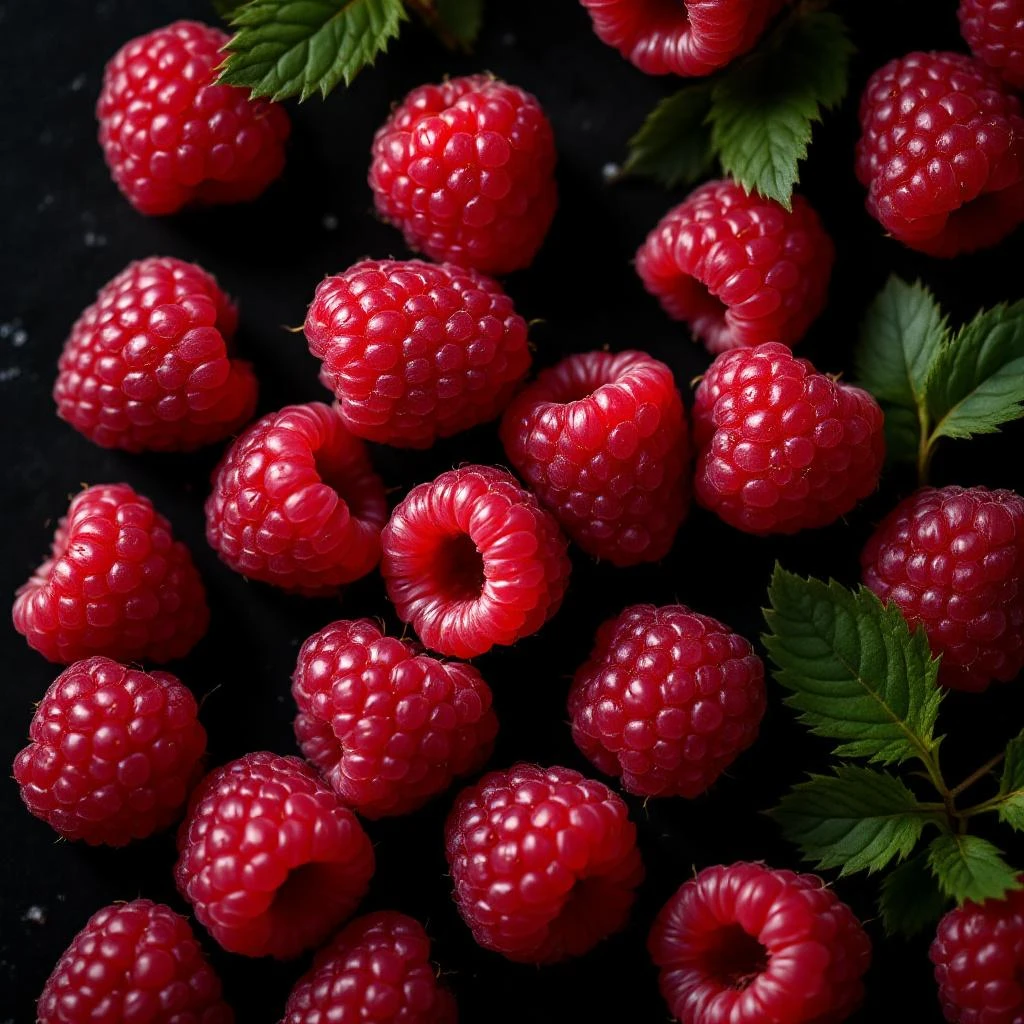
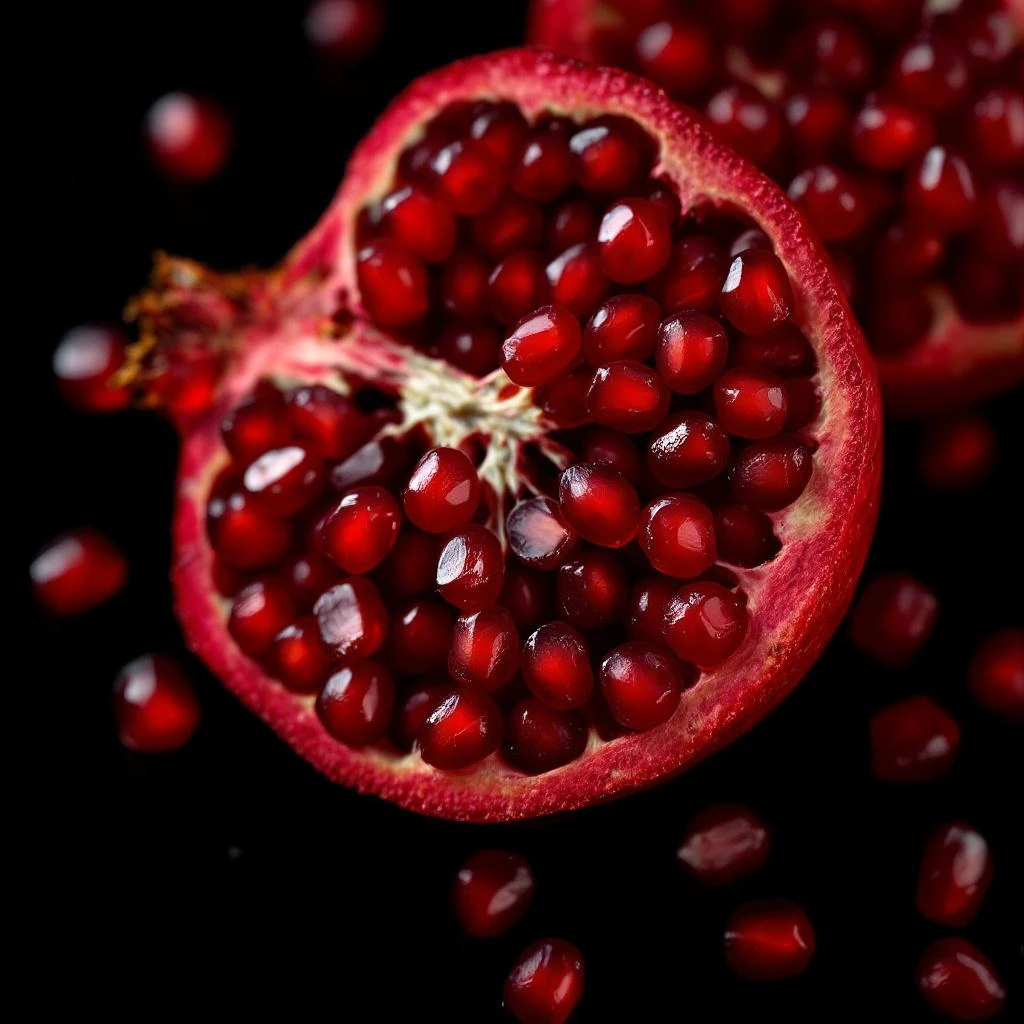
Black raspberry brings a jammy, slightly tart sweetness to perfumery. Unlike its brighter red cousin, this note carries deeper, wine-like undertones with a subtle earthiness that gives compositions an addictive depth. Modern perfumers achieve this character through natural raspberry absolute and sophisticated synthetic derivatives that capture the fruit's full spectrum.
Character
How it smells
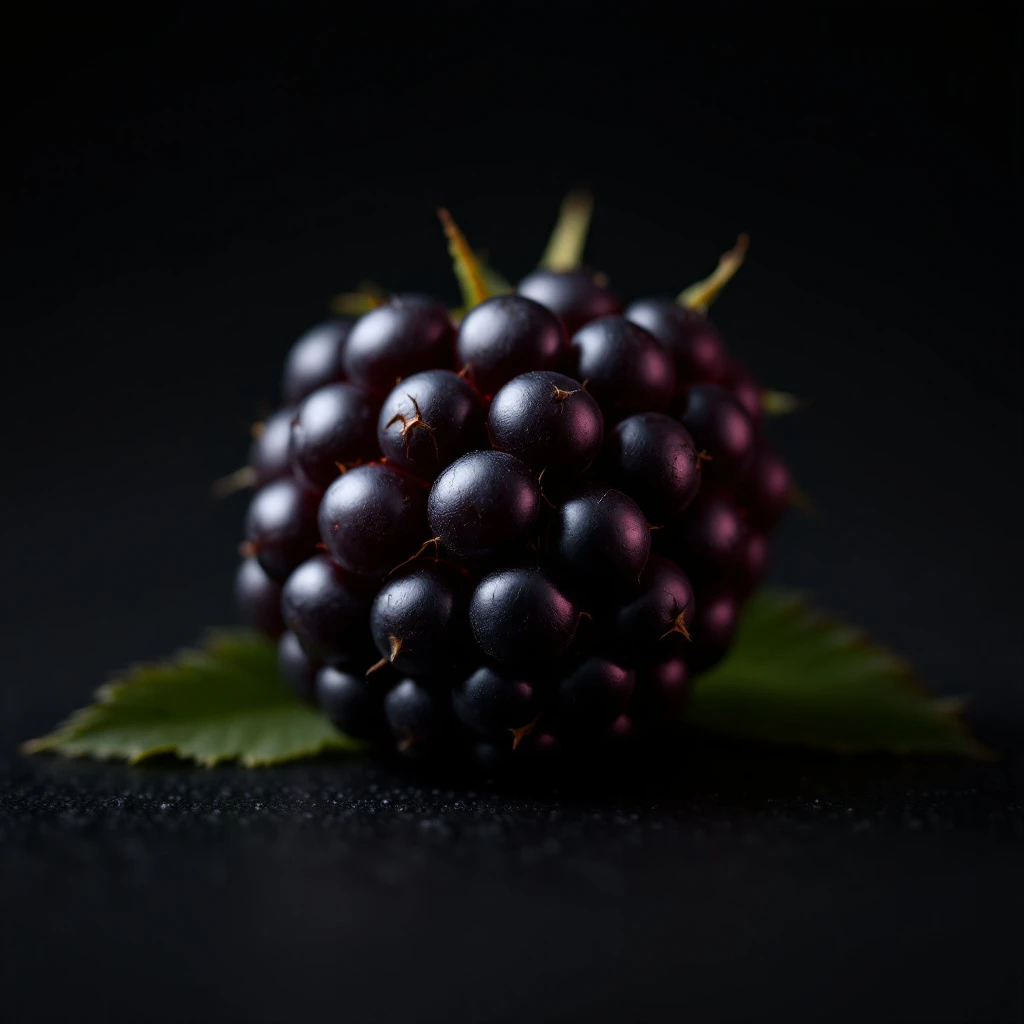
Jammy, tart, and deeply addictive.
True raspberry absolute requires over a ton of fresh fruit to yield a single kilogram, making natural raspberry one of the most expensive fruit materials in perfumery.







Origin
United States
Raspberries have been gathered from European and North American woodlands since ancient times, though they rarely featured in historical perfumery. The ancient Greeks and Romans used wild raspberries for medicinal purposes, not fragrance.
The fruit's modern role in perfumery emerged in the late 19th century when flavor chemists began isolating the compounds responsible for its distinctive aroma. By the 1960s, synthetic raspberry materials became sophisticated enough for fragrance use, enabling perfumers to incorporate the note freely.
The distinction between "red raspberry" and "black raspberry" (Rubus occidentalis, a North American species) became more relevant as perfumers sought specific character profiles. Black raspberry's deeper, more complex scent gained particular popularity in Western fragrance markets during the 1990s and 2000s, coinciding with the rise of gourmand compositions that celebrated edible, playful notes.
Wears it best
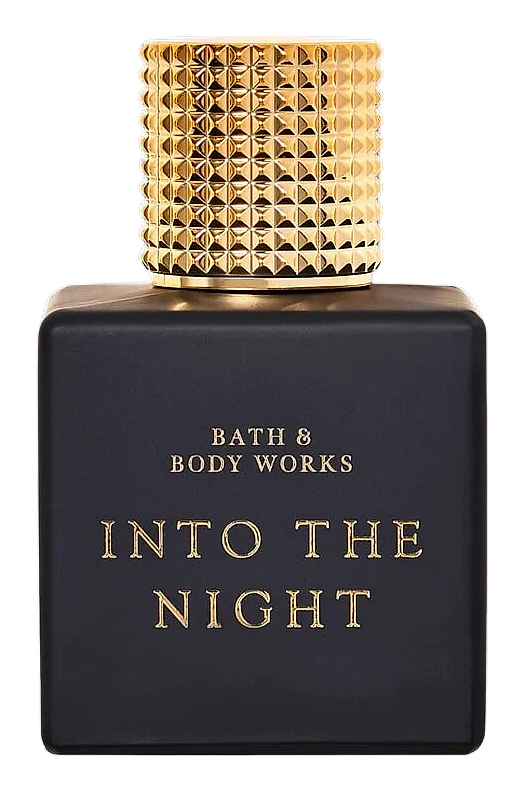
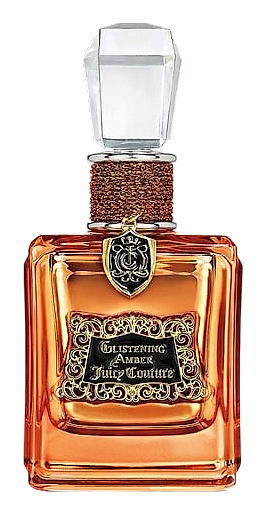
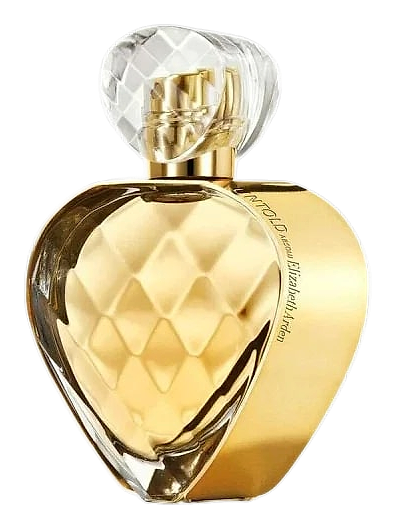
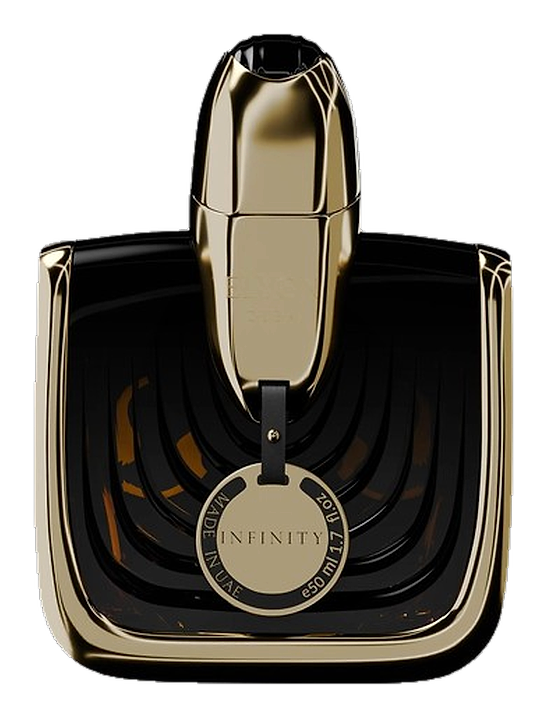
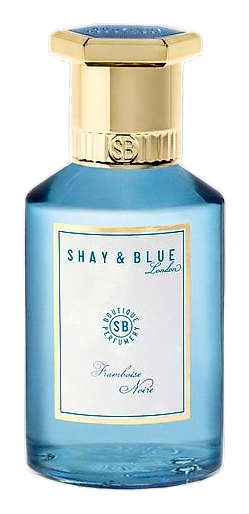
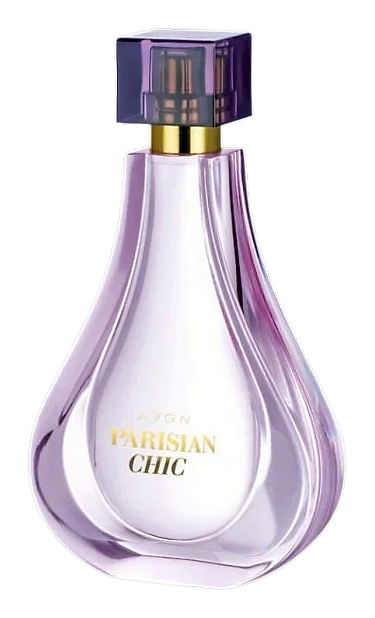
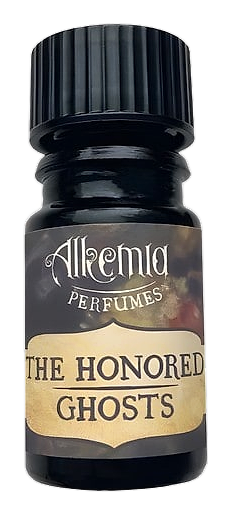
Fragrances featuring Black raspberry


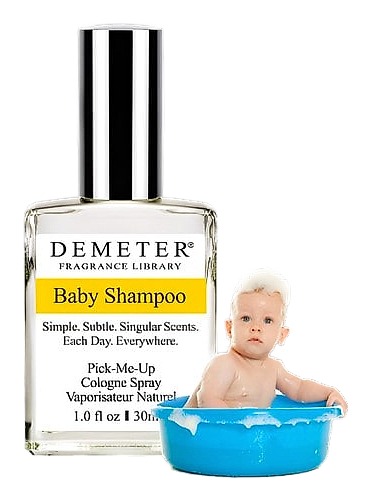
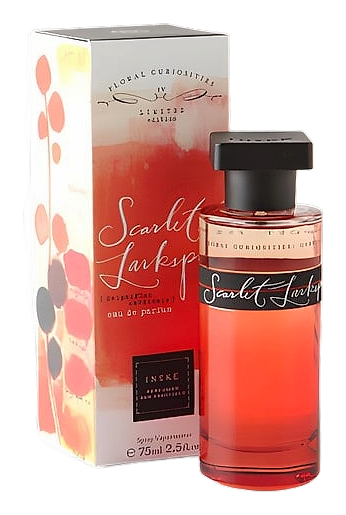
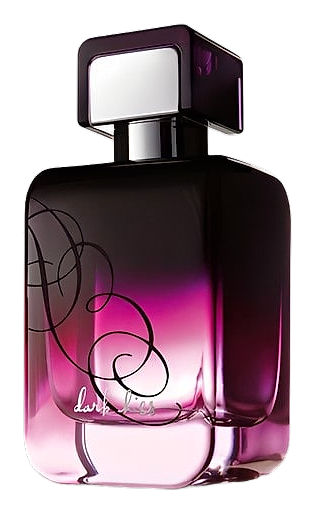
Brands
Brands known for Black raspberry
Good to know
Questions, answered
The essentials on Black raspberry in perfumery: how it smells, where it comes from, and how it behaves on skin.
Is black raspberry a natural or synthetic ingredient in perfume?
Both. Natural raspberry absolute exists but costs prohibitively, so most perfumers use nature-identical synthetics like ethyl 2-methylbutyrate and raspberry ketone to achieve the black raspberry effect.
What distinguishes black raspberry from regular raspberry in fragrance?
Black raspberry carries deeper, wine-like undertones with subtle earthiness. Regular raspberry skews brighter and more acidic. The black variety adds an addictive jammy quality that works especially well in gourmand and fruity compositions.
Does real raspberry actually smell like the note in perfume?
Partly. The jammy sweetness and tartness translate well, but perfumery raspberry notes omit the water content and subtle floral nuances of the fresh fruit, creating a concentrated, idealized version.
What family of chemicals creates raspberry's characteristic aroma?
Esters, particularly ethyl 2-methylbutyrate, hexyl acetate, and ethyl hexanoate. These compounds provide the fruity, sweet character, while raspberry ketone adds depth and berry-like intensity.
Which fragrance families typically use black raspberry?
Fruity florals, gourmand compositions, and modern chypres. It pairs well with vanilla, berry accords, white florals, and woody base notes. You will also find it inmasculine fruity fragrances and fresh summer scents.
Can black raspberry be combined with other berry notes?
Yes, and it often is. Black raspberry layers naturally with blackberry, strawberry, and cherry notes. The combination creates complex fruity accords that feel more nuanced than single-note berry compositions.
How long does black raspberry last in a fragrance?
As a top-to-heart note, it typically lingers for 2 to 4 hours on skin. Formulators extend its presence by pairing it with patchouli, vanilla, or woody materials that act as fixatives.
What gives black raspberry its earthy quality?
Natural raspberry absolute contains trace compounds from the fruit's seeds and hull that contribute subtle woody, earthy undertones. These elements distinguish natural raspberry from purely synthetic versions, which tend toward pure sweetness.