
The Story
Why it exists.
The beginning
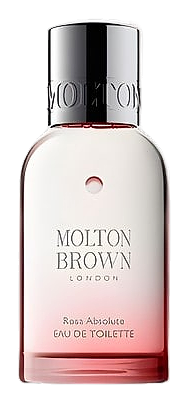
Nathalie Koobus built Rosa Absolute around a single conviction: Italian rose oil, deployed without apology. Blackcurrant, raspberry, bergamot, and elemi resin arrive first, a bright, tart preamble with a hint of resinous spice that clears the air. Pink pepper adds a faint crackle at the edges. Then the rose steps in. Not the dewy-petaled version, not the one that smells like a gift shop. Italian, certain, warm. Patchouli anchors it from below, keeps the sweetness from ever becoming decorative. The fragrance reads as a modern rose should, fruity at the top, rooted at the base, and entirely unwilling to be mistaken for anything generic.
The real move here is the patchouli placement. In most rose fragrances, the woody base arrives last, a drydown reward for patient wearers. In Rosa Absolute, the geranium and violet leaf anchor the heart, keeping the Italian rose from floating into abstraction. It smells like something real, something with weight and a hint of soil. The vanilla in the base doesn't sweeten the composition so much as soften the landing, a warm exhale after the crisp geranium and green violet leaf have done their structural work.
The evolution
The opening hits immediately: blackcurrant and pink pepper, a tart-fruity burst with a faint metallic edge. Fifteen minutes in, the raspberry recedes and the Italian rose takes the stage, not alone, but accompanied by geranium's green crispness and violet leaf's faint vegetable edge. The transition surprises: it doesn't soften so much as deepen, moving from fruit-bright to something earthier and more grounded. By the third hour, patchouli dominates the character, dry, slightly bitter, the olfactory equivalent of dark earth after rain. When the vanilla arrives, the composition shifts again: the patchouli remains, but warmth creeps underneath, and the labdanum adds a faint amber-resin quality that extends the wear. The next morning: a faint trace of patchouli and vanilla, intimate and skin-close, the ghost of something that lasted.
Cultural impact
Rosa Absolute found its audience among those who wanted a rose fragrance that refused to behave like one. The combination of Italian rose with patchouli and vanilla reads as both grounded and romantic, appealing to wearers who want substance alongside sweetness.
The House
Molton BrownMolton Brown began as a modest hair salon on South Molton Street in London in 1971. Over the decades the brand expanded into bath, body and fragrance, keeping a focus on bold scent combinations and tactile textures. Today it offers a curated range of eau de parfums, scented candles and grooming essentials that reflect a distinctly British sensibility while inviting global discovery. The company balances heritage with contemporary creativity, delivering products that feel both familiar and surprising.
The Creator
Nathalie KoobusHer style centers on botanical textures brought to life through natural resins, woods, and powdery blends. She builds from foundational materials, working with ingredients she knows intimately and pushes those relationships in unexpected directions.