The Story
Why it exists.
The beginning
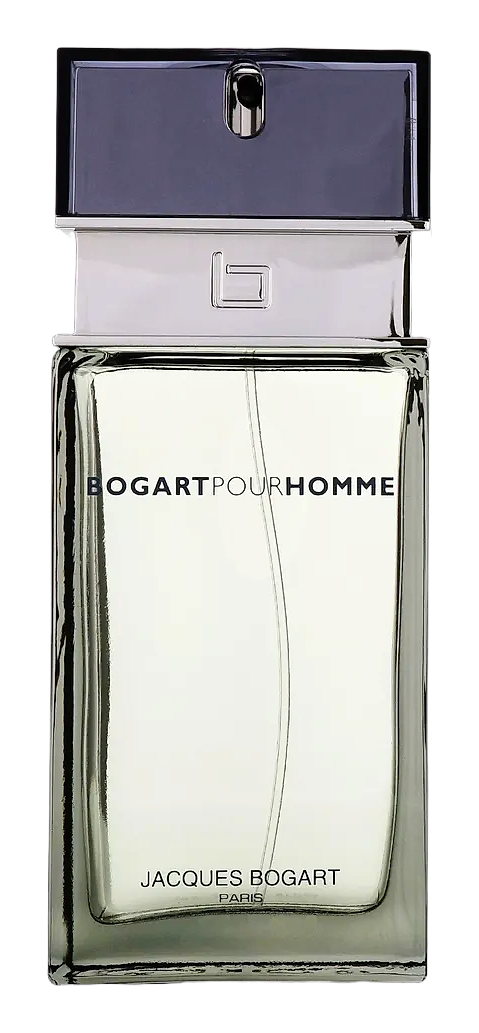
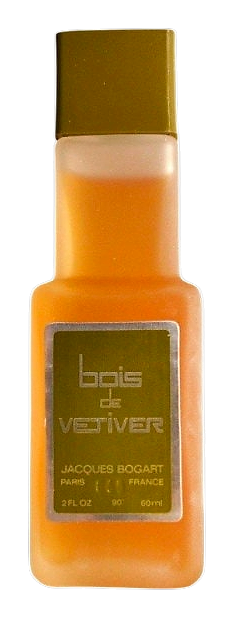
Bois de Vetiver arrived in 1982 from Jacques Bogart. It centered vetiver, a root note with a cool, green-woody character that carries both bitterness and a subtle mineral edge, and built an entire structure around it. The composition reads as confident, slightly rough, and grounded, with the earthy coolness of vetiver anchoring every phase of the wear. On first spray, the vetiver cuts through with a clean, almost metallic greenness, supported by the bright citrus-tinged sharpness of petitgrain at the top. As the hours pass, the clove's warmth blooms slowly, bringing a soft, spiced heat that rounds out the sharper edges without ever smoothing them over completely.
The interesting choice here is structural. Vetiver leads, supported by clove's warmth and iris's powdery restraint, then grounded in leather, oakmoss, and frankincense. The composition stays remarkably unified across its development, with the earthy character of the vetiver never fully receding even when the warmer, sweeter notes come forward. The petitgrain at the top provides a bitter, leafy brightness that previews the green thread running through the entire structure, while the oakmoss at the base deepens that same greenness into something darker and more humid.
The evolution
The first thirty minutes lean green and sharp. Coriander and petitgrain do the bright, slightly bitter work, with bergamot and lemon pulling the opening into something almost bracing. Lavender softens the edge just enough to keep it wearable. Around the one-hour mark, the composition shifts toward its center of gravity. Vetiver arrives with weight, clove adds a dry, almost medicinal warmth, and iris brings a cool powder that keeps the spice from tipping into food. Sandalwood rounds the heart into something denser. By hour three, the base has fully taken over. Leather shows up not as a jacket but as a hand's memory of one, suede-soft and worn in. Oakmoss and frankincense settle underneath, adding a damp, resinous undertone that lingers past the four-hour mark. The musk in the base keeps it close to skin rather than letting it broadcast. What survives into the next morning is the vetiver-oakmoss-leather axis, quieter, more mineral, like soil after rain.
Cultural impact
Bois de Vetiver sits at the earthy, restrained end of the green-spicy spectrum, where the dominant note is allowed to fully shape the composition's character rather than being used as a modifier for something brighter. The fragrance reads as quieter than many of its contemporaries, closer to the soil than to the surface, with a grounded quality that rewards patient wearing. Its apparently discontinued status has made it harder to find, which has shaped how the fragrance circulates among those who own a bottle.