The Story
Why it exists.
The beginning
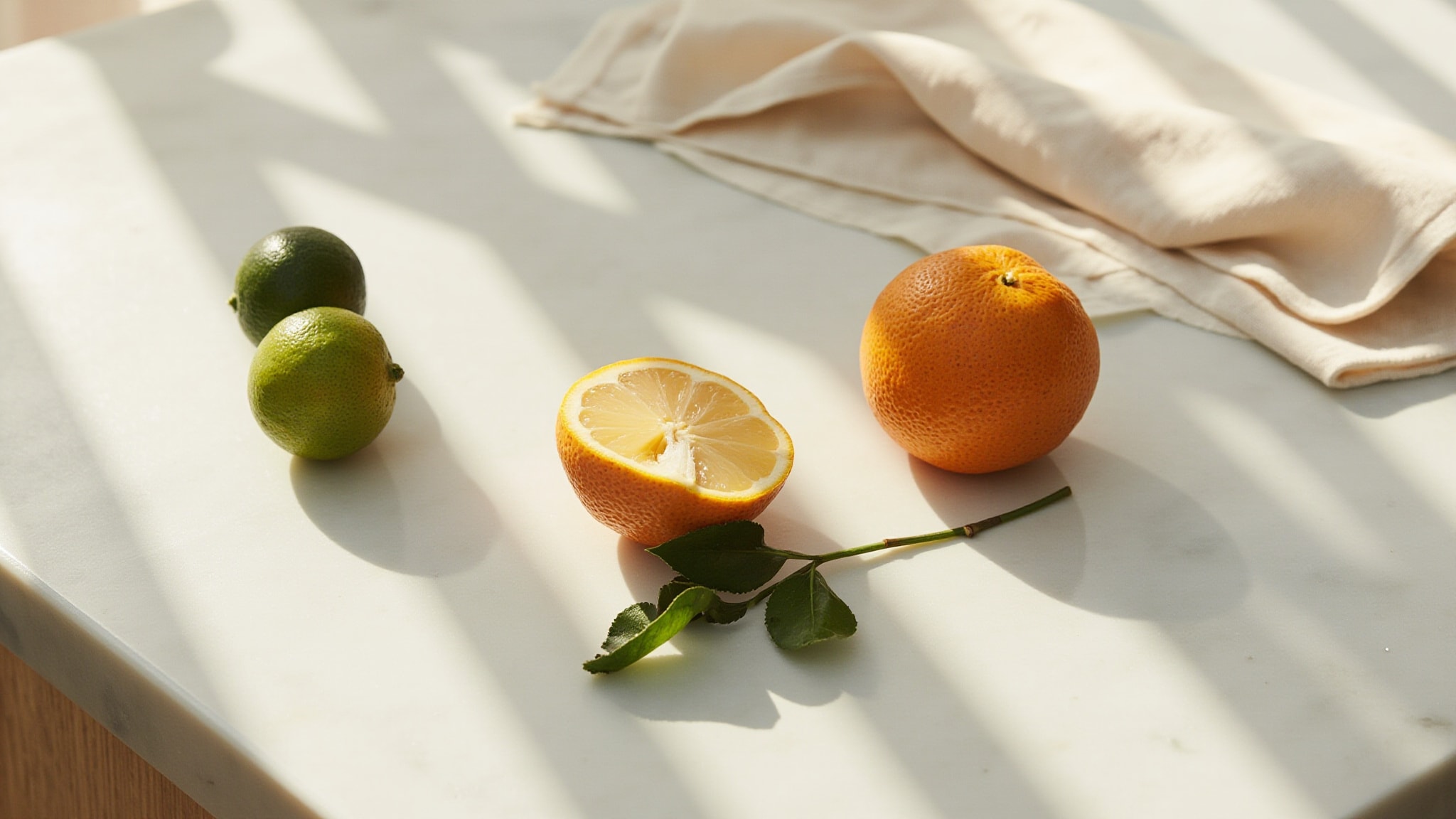
Mandarin arrived in 1996, one of Isabell's debut fragrances and a clear expression of the house's design-first point of view. Robert Isabell, the American interior designer behind the brand, treated scent as part of the atmosphere a space creates. The name points directly to citrus, but the composition is less about a single fruit than the feeling of freshness arranged with discipline. Lemon, lime, and mandarin orange bring the brightness, while birch leaf and cinnamon leaf add a green, aromatic edge. The result feels measured, cultured, and easy to live in, like sunlight placed carefully across a quiet interior.
The interesting part is the tension between crisp fruit and cultivated texture. Lemon and lime give Mandarin a clean, sparkling start, but honey pomelo adds a rounder, more honeyed fruit character. Juniper berries bring a slightly bitter green pulse, while orange blossom and jasmine keep the heart floral rather than strictly citrus. Down below, musk and sandalwood make room for the scent to settle. Gurjun balsam adds resinous depth to a composition that can easily have seemed one-note. This is citrus with architecture, not a slice of fruit on its own.
The evolution
The opening arrives with the clean snap of mandarin orange, lime, and lemon, backed by green notes that suggest leaves rather than air freshener. As the first brightness softens, birch leaf and cinnamon leaf introduce a faintly peppery, leafy tension. Honey pomelo then expands the fruit, making the composition rounder and more tactile, while jasmine and orange blossom add a clean white floral hush. Juniper berries keep the greenery from becoming overly sweet. In the drydown, the citrus recedes and musk, sandalwood, and Gurjun balsam take over. What remains is a soft woody trace with a powdery, skin-close finish, the kind of scent that seems to settle rather than disappear.
Cultural impact
Isabell occupies a distinctive niche within fragrance culture: small-scale, name-driven, and closely tied to the atmosphere of designed spaces. Mandarin fits that register as a composed, room-oriented scent rather than a loud personal signature. Its profile also sits naturally near classic citrus florals from houses such as Guerlain, while the 1996 launch places it in a period when fragrance was becoming more varied in its treatment of fruit, greenery, and white flowers.
The House
IsabellIsabell is a niche fragrance house founded by interior designer Robert Isabell, known for his restrained, classical approach to residential spaces for high-profile clients. Launching in 1996, the brand extended Isabell's sensibility for proportion, material, and mood into scent, with a debut lineup that included Calla, Ceylon, Mandarin, Attar, and Savanna. The fragrances were created as atmospheric complements to interior design, conceived to be experienced as part of a room rather than worn as a personal statement. Isabell remains a small, name-driven project, reflecting its founder's parallel career rather than a conventional perfumery operation.
The Creator
Robert IsabellIsabell favors compositions that read like a freshly cut bouquet lifted from a marble countertop. He gravitates toward white florals, green stems, dewy petals, and the cool green sharpness of crushed leaves.