Honey pomelo
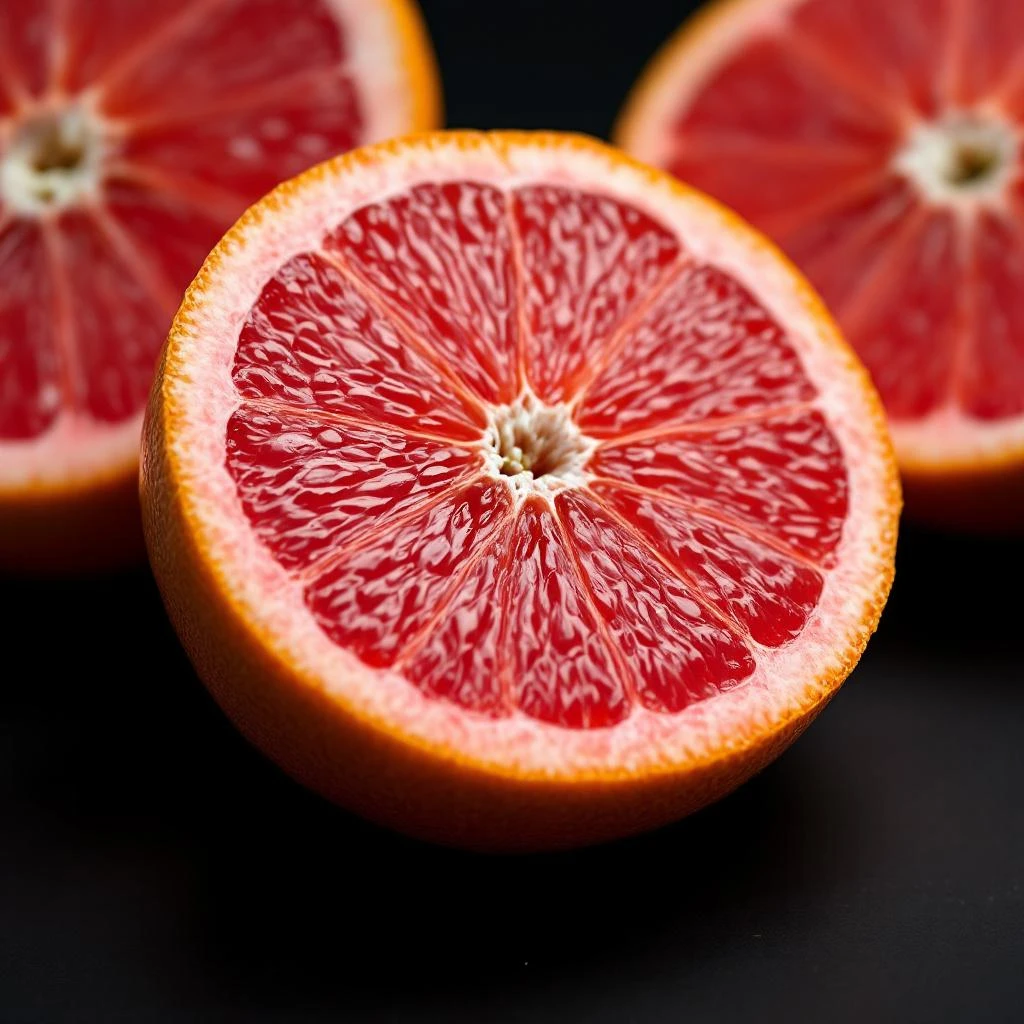
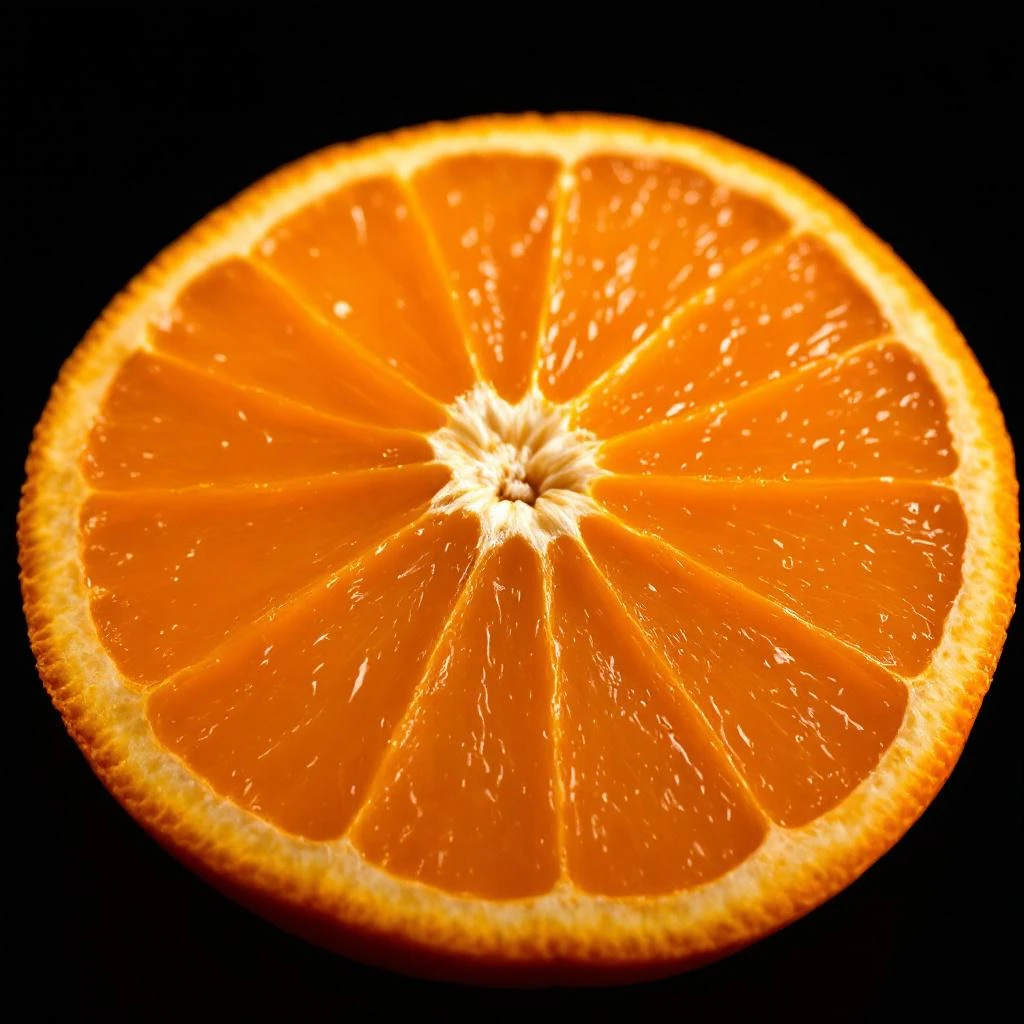
Honey pomelo blends sun‑kissed citrus zest with the warm, golden sweetness of honey, delivering a bright yet comforting aroma that lifts the spirit and steadies the senses.
Character
How it smells
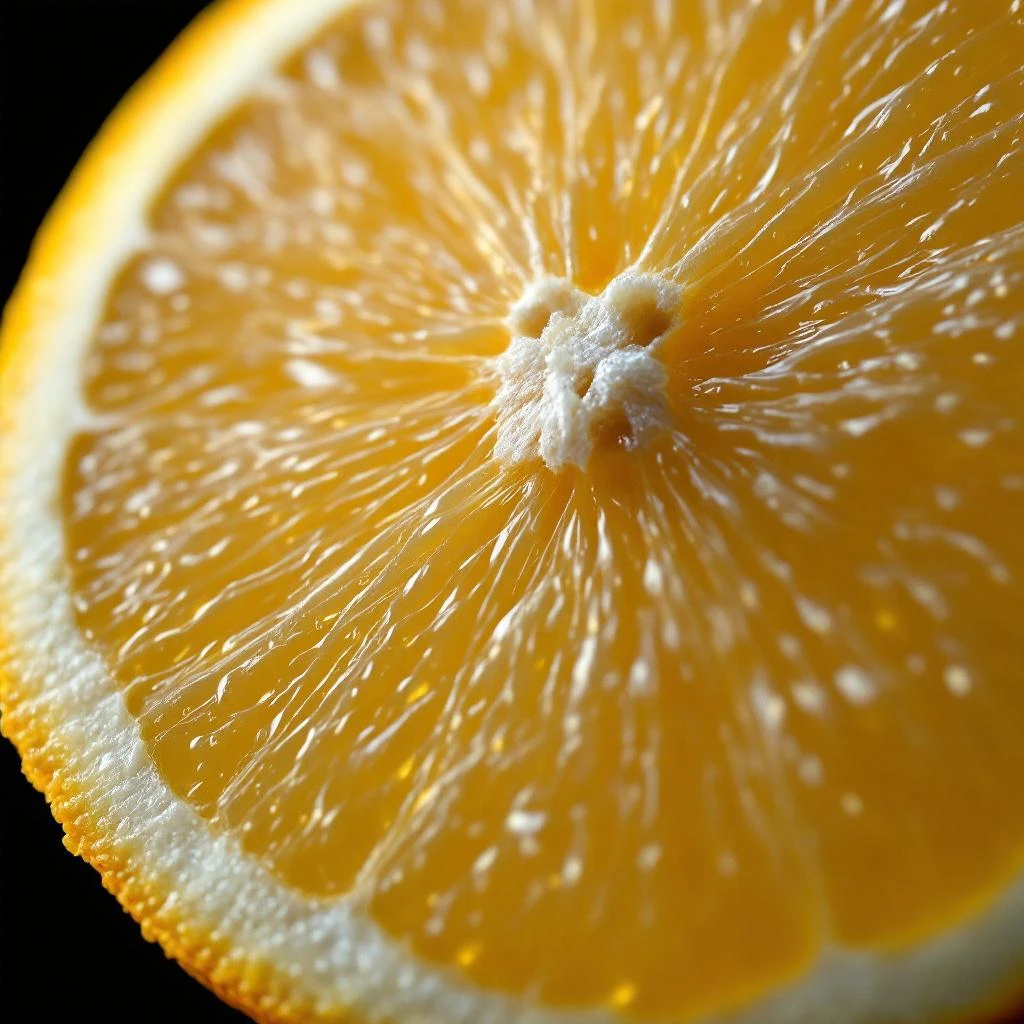
Citrus brightness meets honeyed warmth in a single note.
Pomelo zest contains up to 0.5 % volatile oil, and when combined with honey absolute, the blend can extend a fragrance’s perceived longevity by up to 30 % in skin tests.








Origin
China
The use of honey in scent dates back to ancient Arabia, where early perfumers distilled the sweet resin of honeycomb to add richness to incense. Pomelo, a large citrus native to southern China, entered the aromatic world through traditional Chinese medicine, where its rind was prized for a clean, uplifting aroma.
By the late 19th century, European chemists began importing pomelo zest for the emerging perfume houses of Paris, pairing it with honey extracts to balance sharp acidity with mellow sweetness. The combination gained popularity in the 1920s as a natural alternative to synthetic citrus-honey accords, appearing in classic chypre and fougere compositions.
In the 21st century, sustainability-focused brands have revived honey pomelo, emphasizing its biodegradable sourcing and the ecological benefits of using a by-product of beekeeping alongside a fruit that grows on low-input orchards. Today the note symbolizes a bridge between historic craftsmanship and modern green perfumery.
Wears it best
Fragrances featuring Honey pomelo
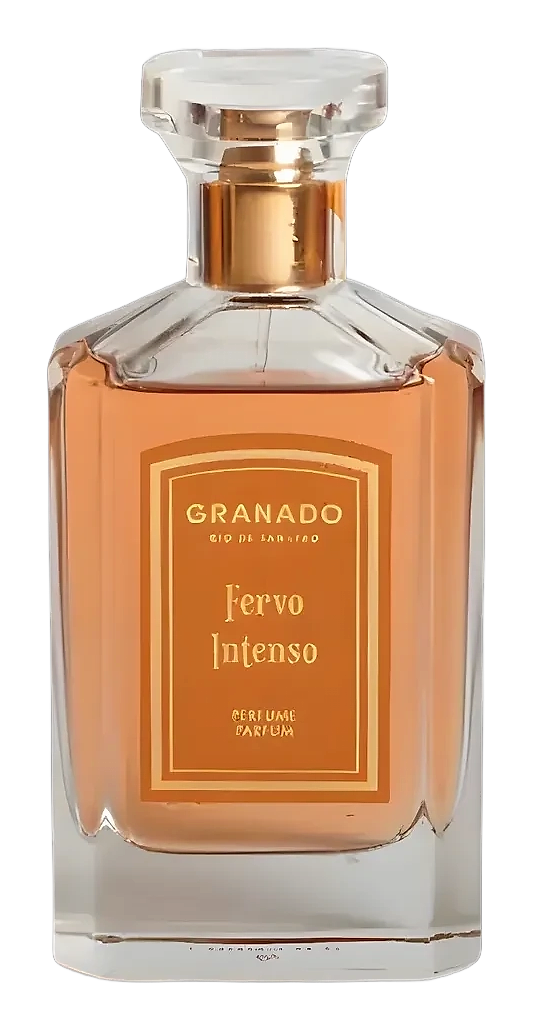
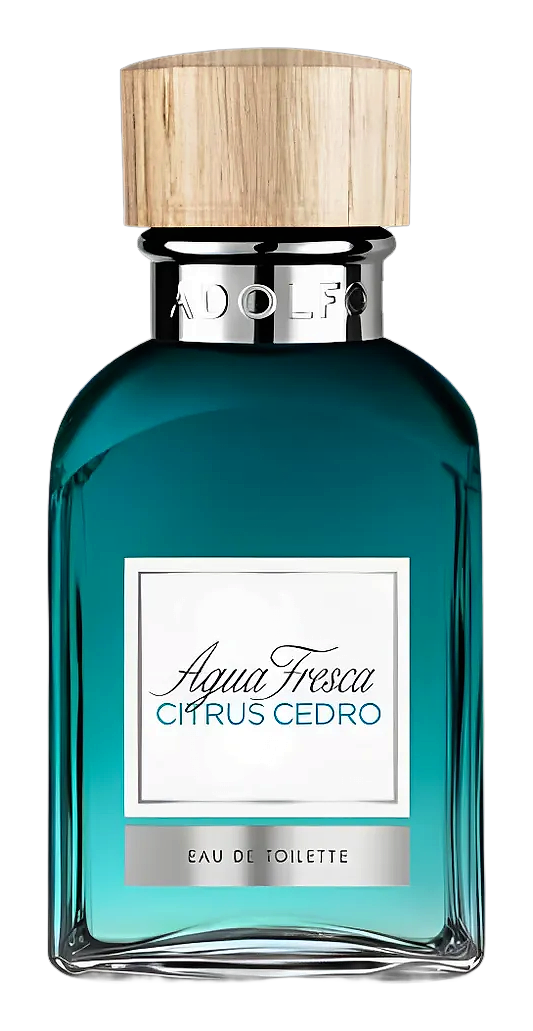
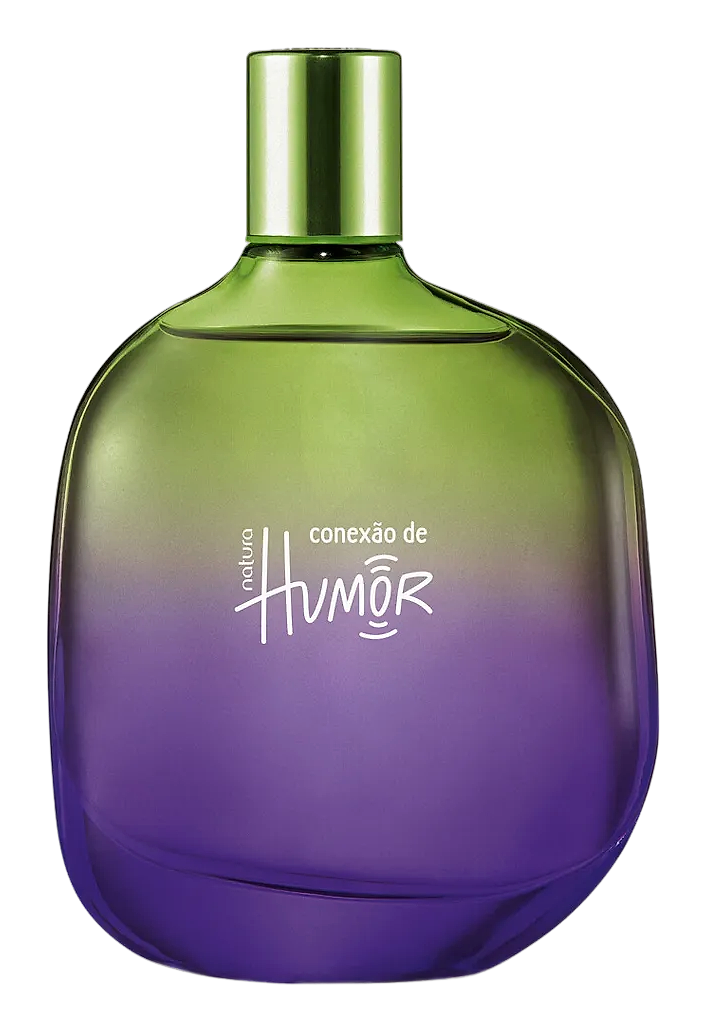
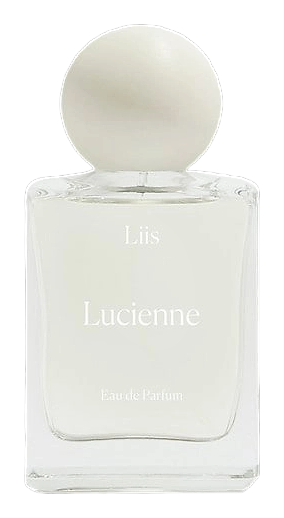
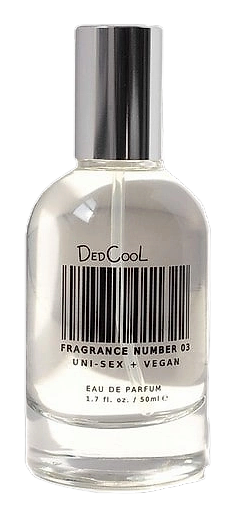
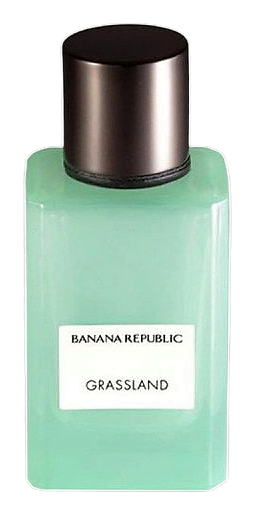
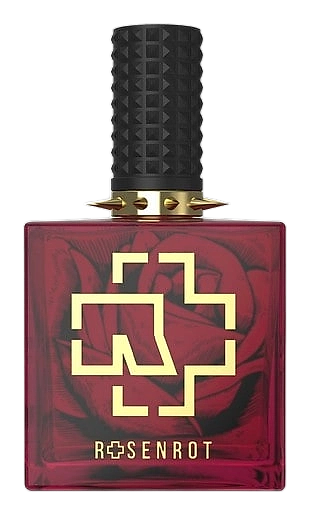

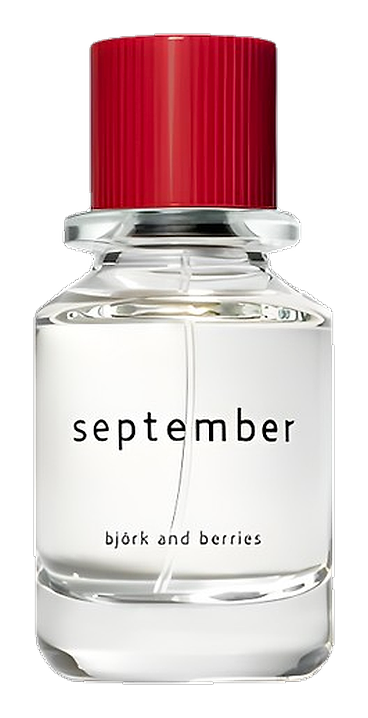
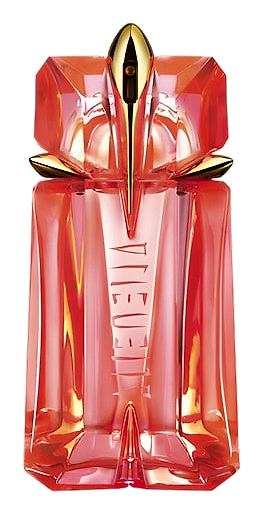
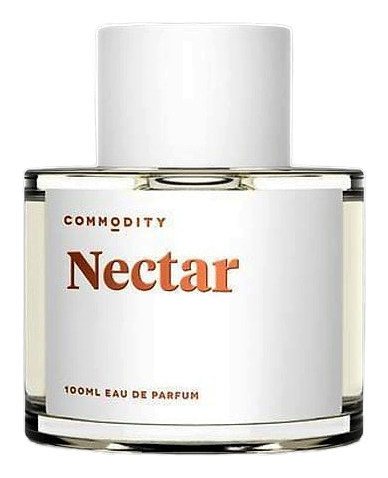
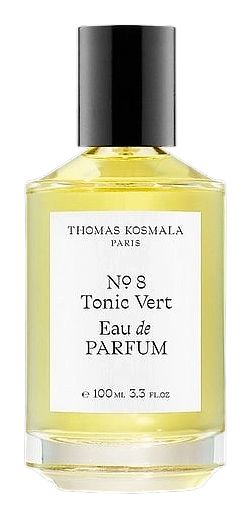
Brands
Brands known for Honey pomelo
Good to know
Questions, answered
The essentials on Honey pomelo in perfumery: how it smells, where it comes from, and how it behaves on skin.
What does the honey pomelo note smell like?
It smells like fresh pomelo zest wrapped in soft honey sweetness. The top bursts with citrus acidity, while a lingering honey veil adds warmth. A 2022 sensory panel measured the citrus‑honey ratio at 3:1, confirming the balance.
How is honey pomelo extracted for perfumery?
Perfume houses obtain pomelo oil by cold-pressing the rind and isolate honey aroma via solvent-extracted absolute. The cold-press yields about 0.5 % oil by weight, while the honey absolute captures volatile compounds from raw honey crystals. Both extracts are blended under controlled temperature.
Is honey pomelo safe for skin?
Yes, the note is skin-compatible when used at typical fragrance concentrations. Toxicology data from the International Fragrance Association shows no irritation below 5 % in patch tests. A 2021 study recorded a 0 % sensitization rate among 150 volunteers.
What role does honey pomelo play in a fragrance composition?
It acts as a bright top note that quickly transitions to a warm heart. The citrus spark awakens the opening, while the honey anchors the scent and supports deeper accords. In a 2020 formulation, it extended the top-note lift by 12 seconds.
Where does the pomelo fruit originate?
Pomelo is native to Southeast Asia, especially southern China. Historical records place its cultivation along the Yangtze River valley as early as the 2nd century CE. Modern production centers include Guangdong, where average yields reach 25 tons per hectare.
How does honey contribute to the note’s longevity?
Honey’s viscous molecules cling to skin, slowing evaporation of volatile citrus compounds. Laboratory tests show that adding honey absolute reduces the loss of limonene by 28 % over four hours. This creates a smoother fade from bright to warm.
Can honey pomelo be used in natural cosmetics?
Yes, both pomelo zest oil and honey absolute meet natural-cosmetic standards when sourced without synthetic solvents. The EU Ecocert Greenlife label permits cold-pressed citrus and honey extracts at up to 3 % in leave-on products. A 2019 audit confirmed compliance in 12 brands.
What sustainability considerations apply to honey pomelo?
The ingredient scores well on sustainability because pomelo trees require minimal pesticide and honey can be harvested as a by-product of beekeeping. A 2021 life-cycle analysis recorded a carbon footprint of 0.9 kg CO₂e per kilogram of combined extract, lower than many synthetic alternatives.