The Story
Why it exists.
The beginning
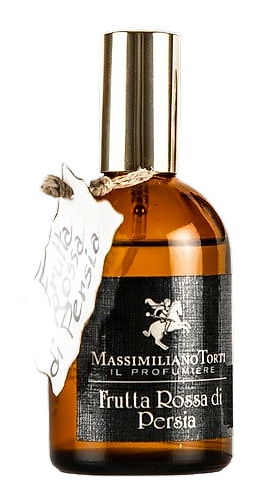
Frutta Rossa di Persia translates to Red Fruit of Persia, and the name is the brief. Massimiliano Torti composed it as part of Il Profumiere's place-inspired catalogue, a line built around evocations of geography and mood rather than trends. The scent reads like a postcard from an imagined bazaar, written in sugar and smoke. The composition belongs to the Floral Fruity Gourmand family. Torti's handling of that territory gives the fruit real anchoring, grounding the jammy top with Arabian spices, cinnamon warmth, and a musky amber base that lends the whole thing weight. It avoids tipping into confection by treating sweetness as an accent rather than the headline. You smell the berries first, but the spices and amber arrive quickly enough to reshape the experience.
The interplay between cool, juicy fruit and the heat of cinnamon and Arabian spices gives the composition its character. The spice accord pulls the juice toward something warmer and slower, and the rose and grape in the heart introduce a wine-like quality that keeps the berry notes from reading as synthetic. The result sits closer to a spiced fruit compote than a fruit punch, with enough aromatic complexity to reward close attention. What emerges is a layered composition where each note family does specific work. The fruit provides brightness and immediate appeal.
The evolution
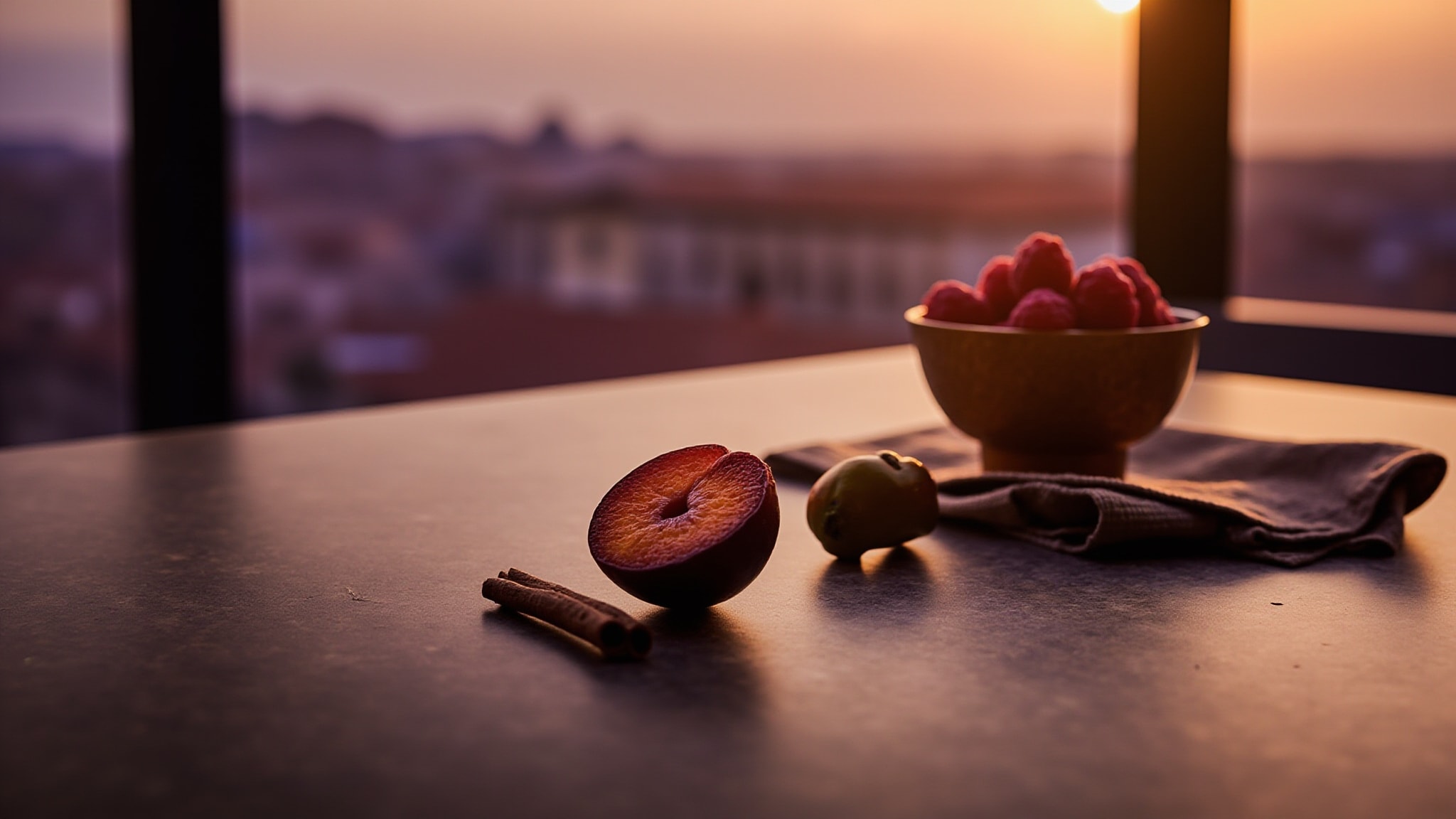
The first ten minutes are a burst of raspberry, plum, and blueberry, bright and almost jammy, with melon lending a green-cool undertone. This is the sweetest phase, and it's generous. Don't mistake it for the whole story. By the thirty-minute mark, jasmine and rose push through the fruit, and the Arabian spices begin their slow burn. Cinnamon arrives with the warmth of something simmered, not sprinkled. The grape note deepens the heart, giving it a vinous, almost port-like richness that the opening's jammy berries hinted at without fully realizing. The transition feels organic rather than abrupt, as if the fruit has simply ripened into something more complex. The drydown shifts into amber and musk, with sugar settling into a warm, skin-like base that lingers for hours. The berries fade but don't vanish; they become the memory of fruit rather than the fruit itself.
Cultural impact
Frutta Rossa di Persia occupies the fruity-gourmand-with-spice territory with a confident hand. The Arabian spice accord and musky amber base keep the sweetness from reading as juvenile, and the rose and grape notes add a layer of sophistication that elevates the composition beyond simple dessert territory. The fragrance appeals to collectors who want the sweetness without the sugar-rush, and it stands as a distinct entry in the niche landscape. Its spice palette reads as distinctly European in character, drawing on Arabian and Middle Eastern influences filtered through a European sensibility.