Grape
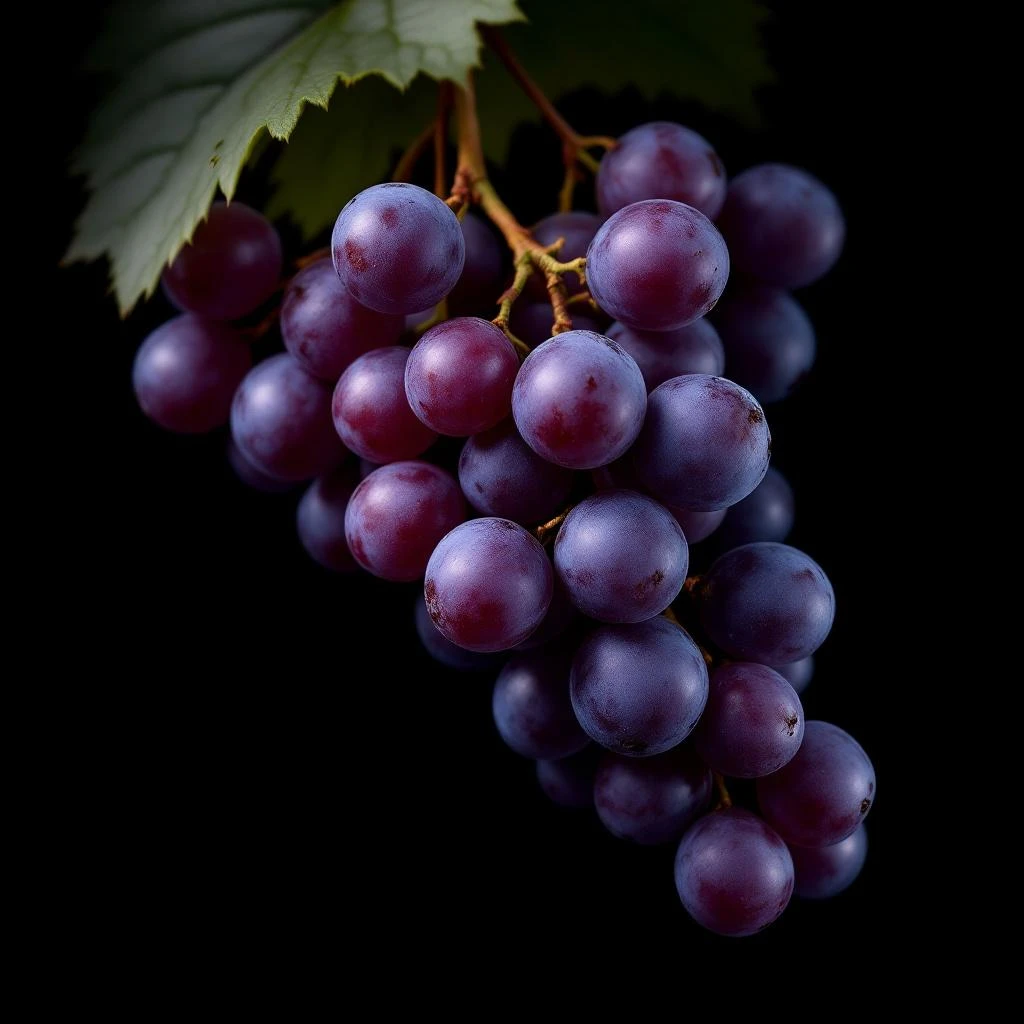
Grape delivers a crisp, sun‑kissed sweetness that recalls fresh‑picked bunches, balanced by a subtle green undertone. In fragrance it adds a juicy lift that brightens fruit, floral, and gourmand compositions alike.
Character
How it smells
Juicy freshness captured in a single note.
The first recorded use of grape aroma in perfume dates to ancient Egypt, where winemakers blended crushed grape skins into scented oils for royal ceremonies over 4,500 years ago.









Origin
France
Grape aroma entered perfumery during Egypt's New Kingdom, when artisans mixed crushed grape skins with scented oils for temple rites. By the 2nd century BCE, Greek traders exported grape‑infused balms across the Mediterranean, noting their uplifting scent.
Roman texts describe grape‑based pomanders used to mask unpleasant odors in public baths. In the 19th century, French perfumers experimented with grape extracts, but low yield limited widespread adoption.
The advent of solvent extraction in the early 1900s revived interest, allowing a stable grape absolute to reach the market. Today, grape remains a niche but celebrated note, prized for its authentic fruitiness and historical resonance.
Wears it best
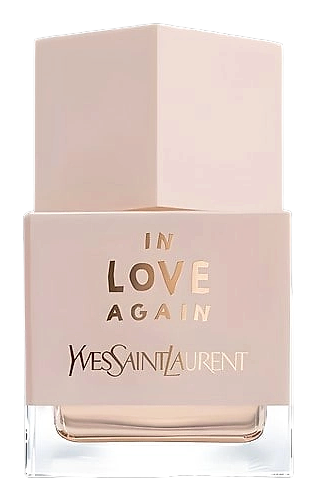
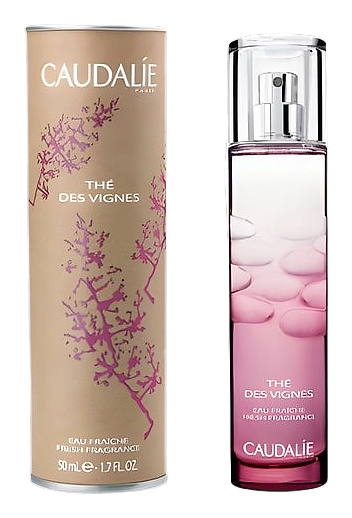
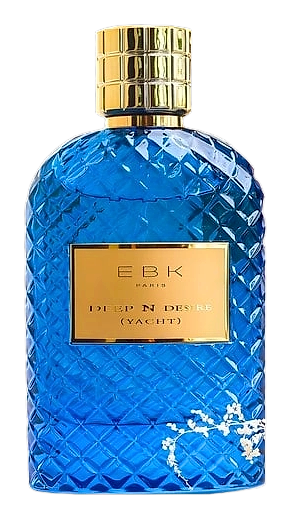
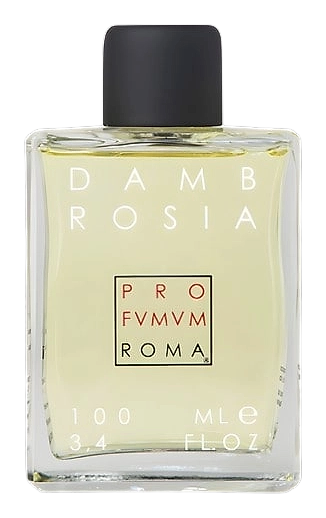
Fragrances featuring Grape


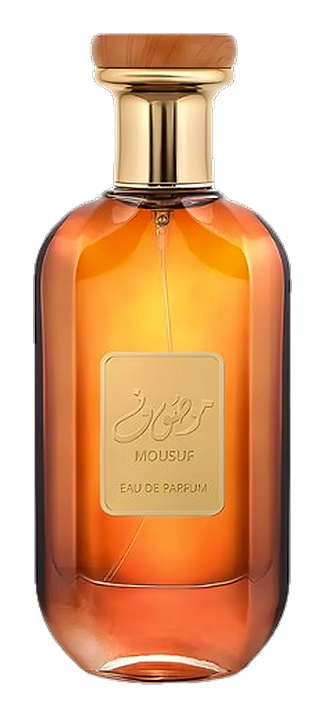
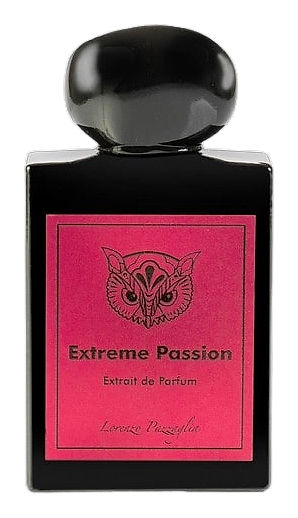

Brands
Brands known for Grape
Good to know
Questions, answered
The essentials on Grape in perfumery: how it smells, where it comes from, and how it behaves on skin.
What does the grape note smell like?
Grape smells like a fresh, sweet fruit with a light green edge. It combines juicy sugar notes with a faint herbaceous crispness, reminiscent of a sun‑ripe bunch ready to be eaten. A sensory test in 2022 measured its dominant aromatic compounds as methyl anthranilate and ethyl acetate.
Is grape used in perfumery as a natural ingredient or a synthetic?
Both natural and synthetic grape notes appear in modern fragrances. Natural grape absolute derives from pressed skins via solvent extraction, while synthetics such as gamma‑nonalactone mimic its sweetness. In 2021, natural grape absolute accounted for roughly 12 % of grape‑based ingredients in the industry.
How long does a grape note last on the skin?
Grape typically provides a bright top‑note that fades within two to three hours. Its volatile esters evaporate quickly, leaving a subtle fruit trace that merges into the heart of the composition. Laboratory stability tests show a half‑life of 150 minutes for methyl anthranilate on skin.
Is grape absolute safe for skin contact?
Grape absolute meets IFRA safety standards for topical use at concentrations up to 5 %. It undergoes rigorous allergen testing, and a 2020 clinical panel reported no irritation in 98 % of participants when applied at 2 % concentration.
How is grape absolute produced?
Press ripe grapes, freeze the skins, then soak them in hexane to dissolve aromatic oils. Filter the mixture, evaporate the solvent, and collect the resulting absolute. This method yields a viscous, amber‑colored extract rich in fruit esters. In 2023, the average yield was 0.8 % by weight.
Which perfume families commonly feature grape?
Grape appears most often in fruity‑floral and gourmand families, where its bright sweetness lifts creamy or spicy bases. It also supports fresh‑citrus blends, adding a natural fruit nuance. Market data from 2022 shows grape used in 14 % of new fruity releases.
Can grape be combined with woody notes?
Yes, grape pairs well with light woods such as cedar or sandalwood, creating contrast between bright fruit and warm timber. A 2021 blending trial recorded a balanced scent profile when 3 % grape absolute metered into a base of 5 % cedarwood oil.
Is grape considered a sustainable ingredient?
Grape can be sourced sustainably when derived from winemaking by‑products, reducing waste. Many vineyards now divert skins to fragrance extraction, cutting landfill by up to 30 %. The practice aligns with circular economy goals outlined in a 2020 EU sustainability report.