Tropical Notes
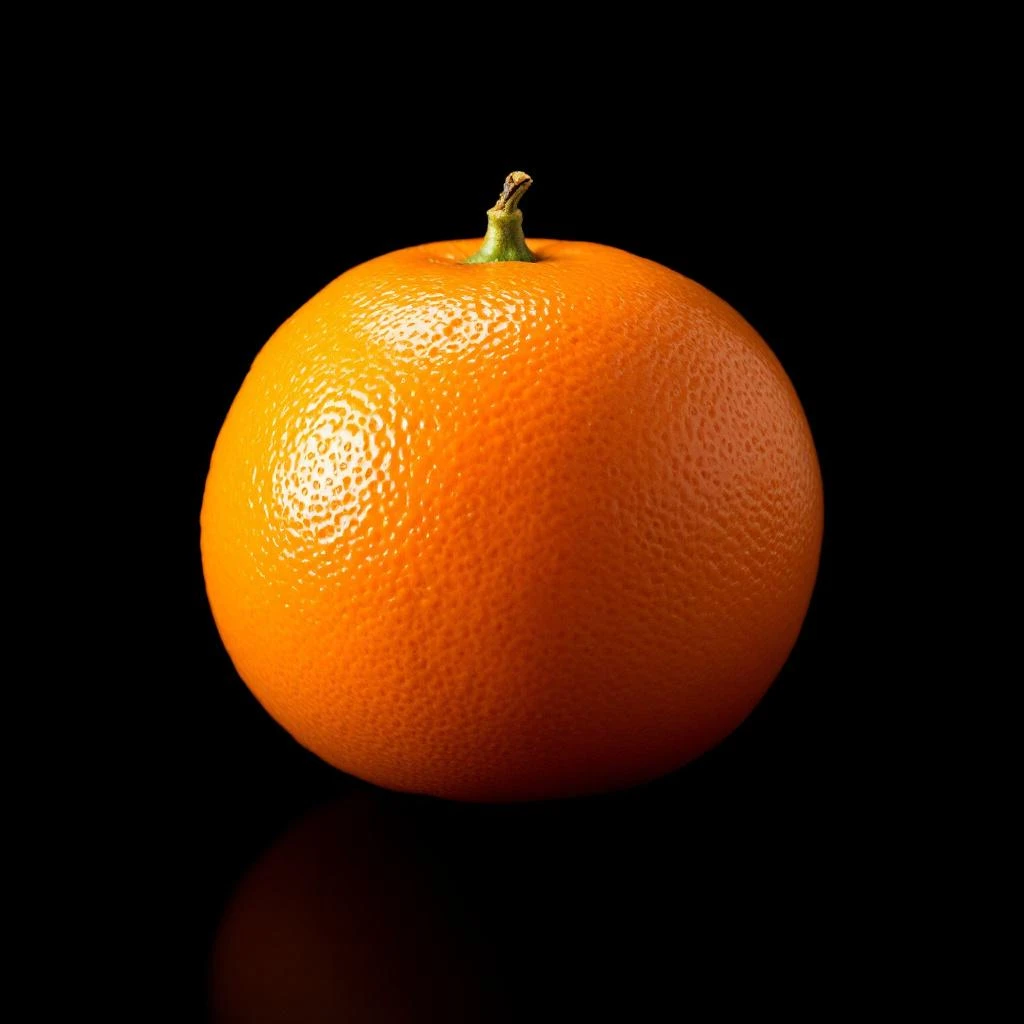
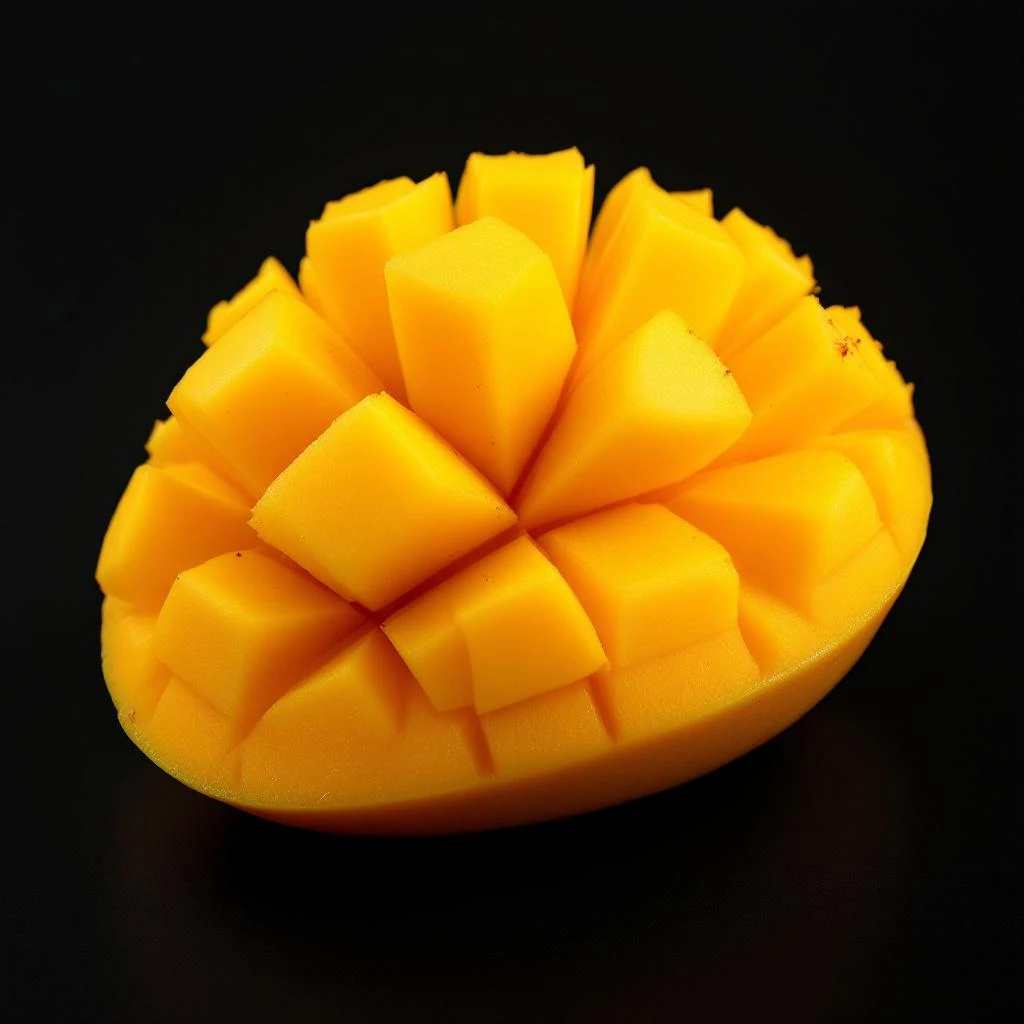
Tropical notes conjure sun-soaked fruits and lush botanicals, the olfactory shorthand for paradise. In modern perfumery, these accords span real exotic fruits, headspace-captured aromas, and lab-built molecules.
Character
How it smells
Sun-soaked sweetness bottled
Most 'tropical fruit' notes in commercial perfumery are reconstructed synthetically, since true tropical fruits contain almost no extractable essential oil for fragrance use.





Origin
Indonesia
Tropical fragrance ingredients entered Western perfumery relatively late compared to Mediterranean staples. For centuries, European perfumers worked within a limited palette of locally available botanicals: citrus peels, Mediterranean herbs, and resinous gums. The colonial expansion of the seventeenth through nineteenth centuries changed everything.
Spices like clove, nutmeg, and ylang-ylang arrived from Indonesia and the Philippines. Ylang-ylang, distilled on Comoros and Madagascar beginning in the 1860s, became one of the first tropical flowers to anchor mainstream European fragrances. Cocoa absolute entered formal perfumery around the same era.
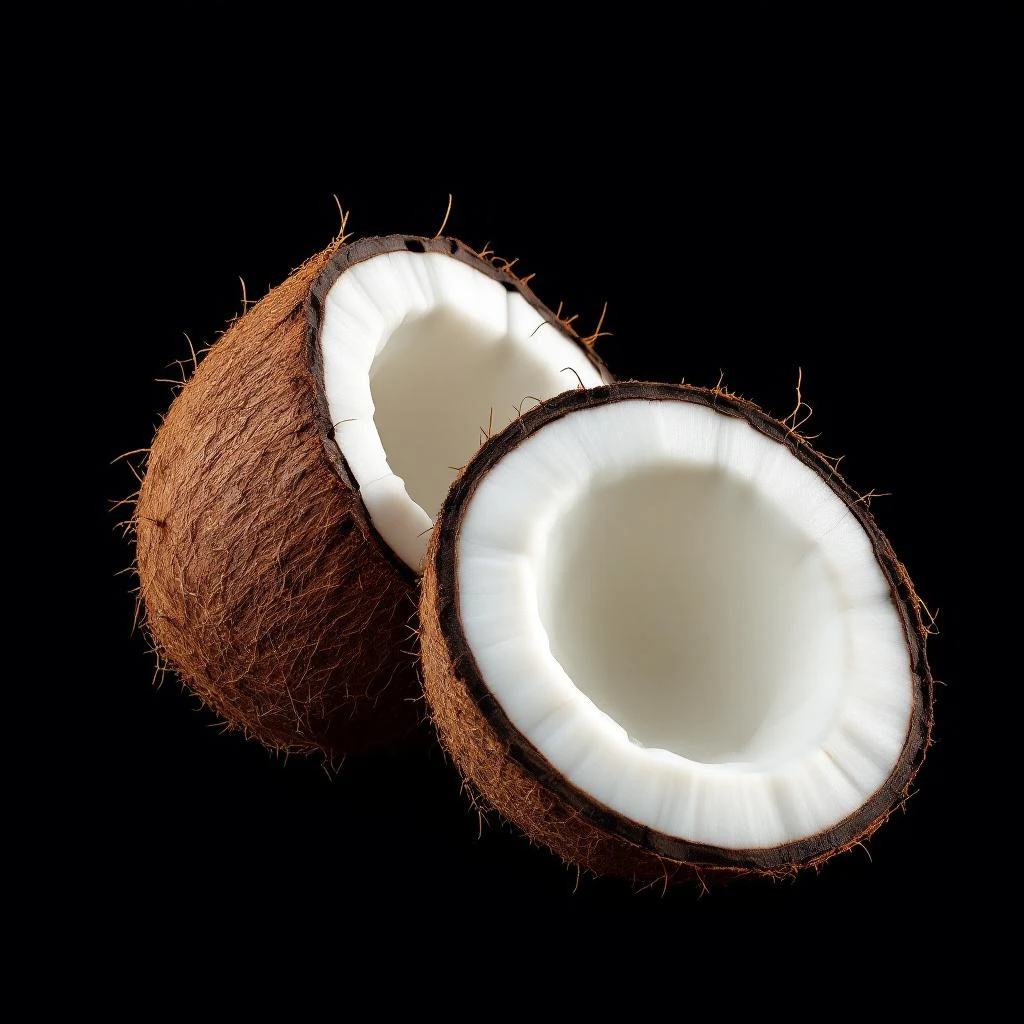
Coconut and banana extracts appeared in early twentieth-century compositions. The late nineteenth century's advent of organic synthesis, beginning with vanillin and coumarin, eventually enabled the laboratory-built tropical notes that dominate today. By the 1990s, advances in headspace analysis let perfumers capture fleeting tropical aromas like ripe mango and lychee, none of which yield usable essential oils through conventional methods.
Wears it best
Fragrances featuring Tropical Notes
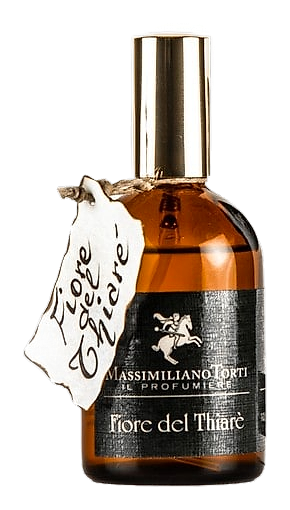
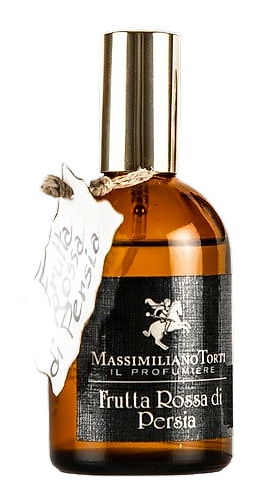
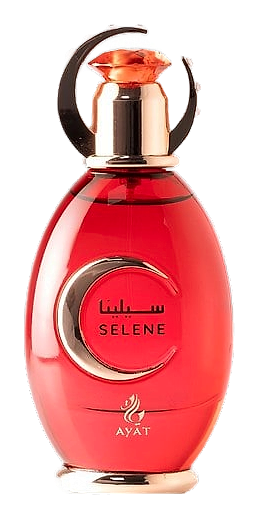
Brands
Brands known for Tropical Notes
Good to know
Questions, answered
The essentials on Tropical Notes in perfumery: how it smells, where it comes from, and how it behaves on skin.
Are tropical notes in perfume natural or synthetic?
Mostly synthetic. Genuine tropical fruits like mango, pineapple, and guava contain too little volatile oil for traditional extraction, so perfumers reconstruct these notes using aroma chemicals such as allyl caproate and gamma-undecalactone.
What does a tropical note smell like?
Tropical notes evoke sweet, juicy, sun-warmed fruit. Think ripe mango, pineapple, passionfruit, and coconut, often blended with creamy or floral undertones to suggest an exotic, beachside atmosphere.
Which tropical flower is most important in perfumery?
Ylang-ylang ranks among the most significant. Distilled commercially on the Comoros archipelago since the 1860s, it anchors countless floral and oriental compositions with its rich, fruity-banana-like sweetness.
How do perfumers capture tropical fruit aromas if distillation doesn't work?
Headspace technology solves this challenge. A sealed dome traps aroma molecules released by a living fruit, which chemists analyze and rebuild into fragrance accords, a technique unavailable before the 1990s.
When did tropical ingredients enter Western perfumery?
Tropical ingredients entered mainstream European perfumery during the colonial era, roughly the seventeenth to nineteenth centuries, with ylang-ylang from Indonesia becoming one of the earliest tropical floral staples by the 1860s.
Is coconut note in perfume real coconut?
Often not. Most coconut accords use synthetic lactones like gamma-nonalactone to recreate the creamy, nutty impression, though CO2 extraction of dried coconut meat can produce a genuine coconut absolute.
What are the main synthetic chemicals used for tropical notes?
Common building blocks include allyl caproate for pineapple, ethyl methylphenylglycidate for strawberry, gamma-undecalactone for peach, and various esters and lactones that together recreate ripe, juicy fruit impressions.
Do tropical notes last long on skin?
Generally no. Most tropical accords are top-to-heart notes built on volatile molecules that evaporate within one to three hours, which is why perfumers often anchor them with longer-lasting musks or sandalwood.