The Story
Why it exists.
The beginning
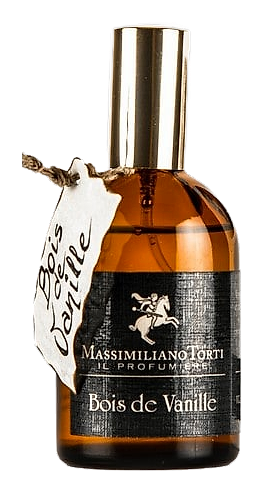
Massimiliano Torti created Bois de Vanille in 2011. The French name itself, Bois de Vanille, means something other than the vanilla extract in your kitchen or the note tacked onto every mainstream gourmand. The perfumer was interested in vanilla as a raw material, before it becomes sweet, before it becomes linear. The vanilla in this composition isn't the kind dissolved in sugar or folded into custard. Here it arrives darker, almost resinous, carrying the damp earthiness of the pod before extraction strips it down to a single note. The composition builds outward from this starting point, finding ways to support that rawness rather than mask it.
The answer unfolds in layers that shift and evolve as the scent moves across skin. Woody notes don't just support the vanilla, they argue with it. Cedar and sandalwood create structure where sweetness might otherwise drift, anchoring the composition with a quiet authority. Incense adds smoke without barbecue, warmth without syrup. The overall impression is of vanilla stripped of apology, presented without the usual concessions to trend or familiarity.
The evolution
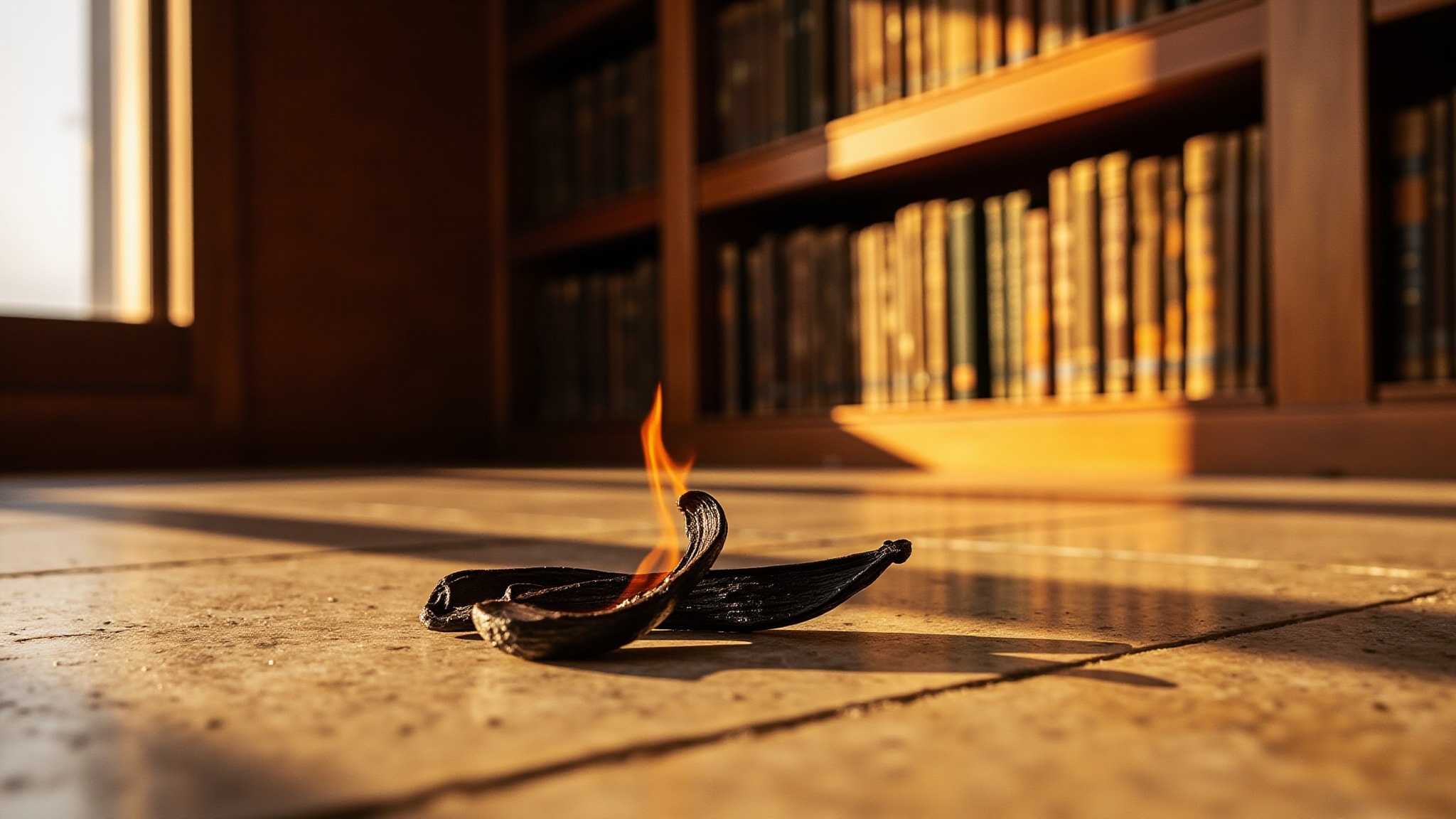
The opening minute is the most honest. A flash of heat, the smell of a match strike, then woodsmoke and ember settle into skin. No preamble. By the time you reach your wrist, the vanilla has arrived, not sweet, but present. Resinous. The incense holds the middle act, keeping things warm without heaviness. Cedar and amber build slowly underneath, adding the kind of dry warmth that makes you lean closer to your own arm. Four hours in, the spices arrive, cinnamon, frankincense, and the whole thing takes on a quiet, powdery warmth that stays close. By evening, it's skin. Just warm skin and memory.
Cultural impact
Incense and woody notes have held sacred significance across cultures for thousands of years. In East Asian traditions, burning fragrant woods accompanied meditation and spiritual ceremonies, creating spaces meant for reflection. Middle Eastern perfumery elevated these materials to an art form, with attars and bakhoors designed to perfume both body and environment. The spice trade brought these aromatic traditions westward, influencing European perfumery and creating demand for exotic materials. Today, woody incense fragrances like Bois De Vanille represent a continuation of this ancient appreciation, offering wearers a connection to centuries of olfactory tradition.