The Story
Why it exists.
The beginning
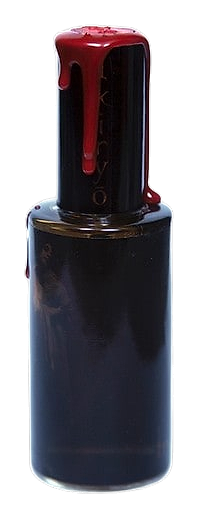
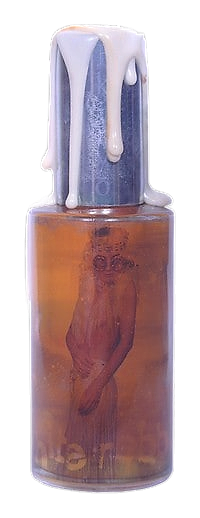
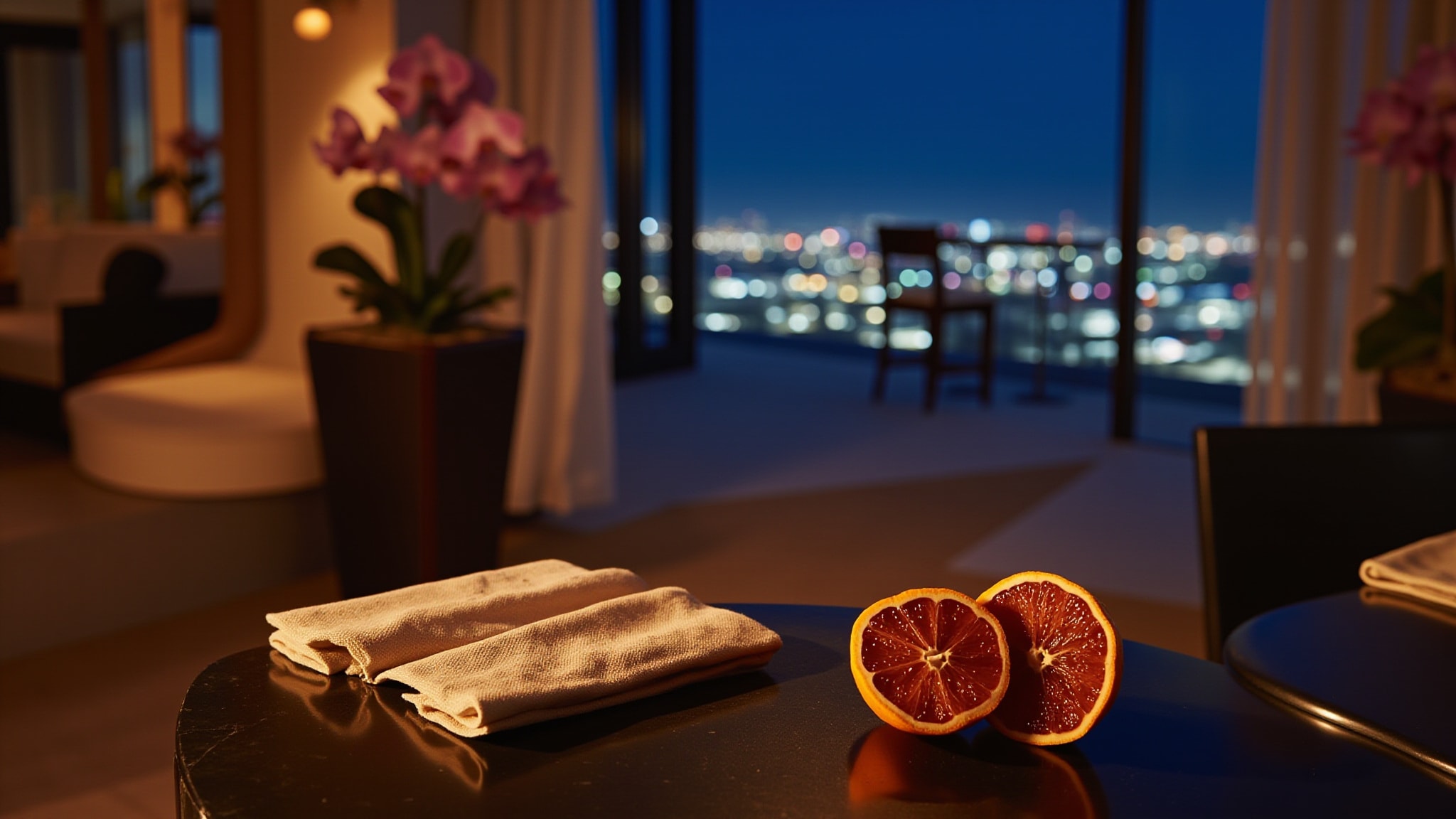
Carpe Paradisum was created by Vincent Avery and launched in 2025 as a celebration of friendship. Its name sits against an expressive, characterful fragrance built from vivid fruit, tart tamarind, white florals, warm spice, and resinous notes. Blood orange offers a bright citrus character, while tamarind adds a tart, slightly unruly edge. Honeysuckle and orchid soften the composition without losing its pulse. Amber and benzoin bring warmth and depth, with clove and Sichuan Pepper adding spice beneath the florals and fruit. Nothing here is a solitary act. The fragrance reads like a shared table, different personalities gathering into something generous, warm, and easy to remember.
The unusual part is how neatly its contrasting materials behave together. Blood orange brings a bright citrus quality, while tamarind gives the composition a playful tartness rather than a polished sweetness. Honeysuckle and orchid create a white-floral air, balanced by the peppery character of Sichuan Pepper. Amber and benzoin add resinous warmth, with clove bringing a darker punctuation mark. The result is an Oriental floral with a confident streak, shaped by the interaction of citrus, fruit, white florals, spice, and warm resins.
The evolution
The fragrance is shaped around the contrast between bright citrus, tart fruit, white florals, peppery spice, and warm resins. Blood orange and Sichuan Pepper create a lively first impression, joined by the tart character of Tamarind. Honeysuckle and Orchid introduce a soft floral sweetness that keeps the fruit and spice from feeling overly sharp or simply tropical. Clove adds a darker, warmer note to the composition, while Amber and Benzoin bring a soft resinous foundation. As the scent develops, the brighter citrus quality gives way to a warmer impression, with amber, clove, floral notes, and spice remaining close to the skin. The result is a warm, gently spiced trail whose longevity will vary with skin and application.
Cultural impact
Carpe Paradisum arrives as a celebration of friendship, giving its presentation an openly social focus. Its Oriental floral profile brings together citrus brightness, fruit tartness, white florals, warm spice, amber, and benzoin. The combination creates a fragrance that feels layered and expressive, inviting attention to the different materials within it rather than relying on one dominant gesture.
The House
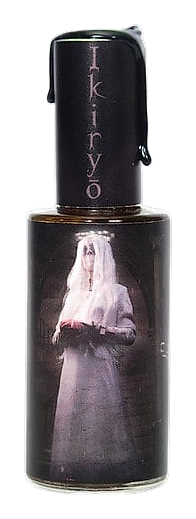
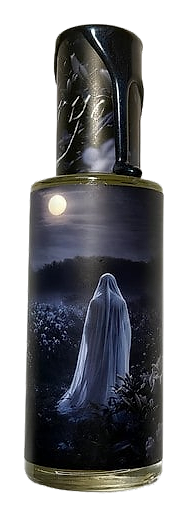
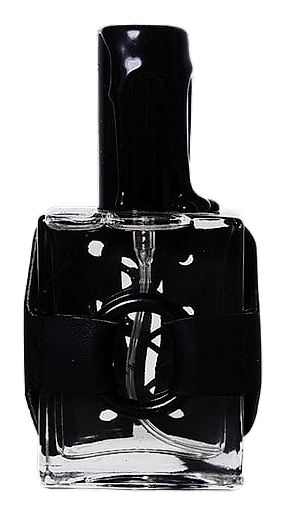
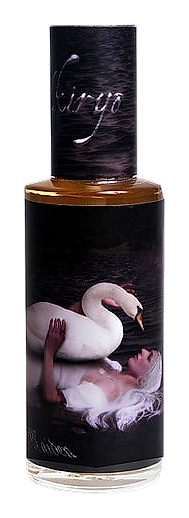
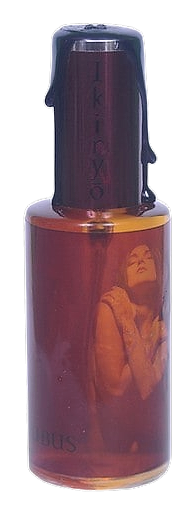
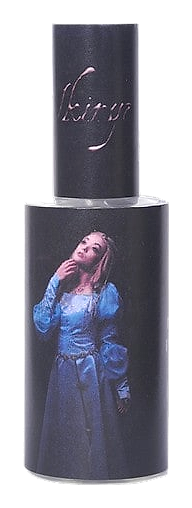
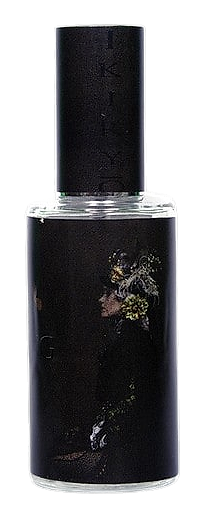
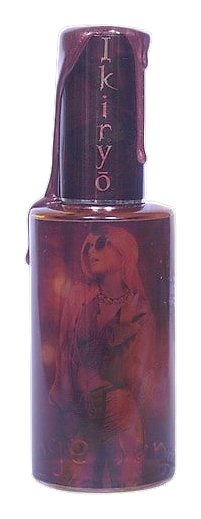
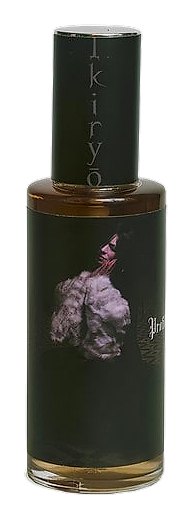
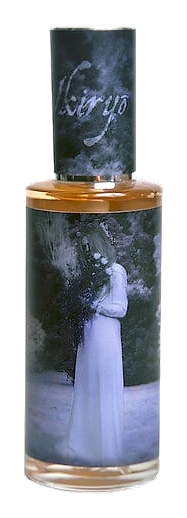
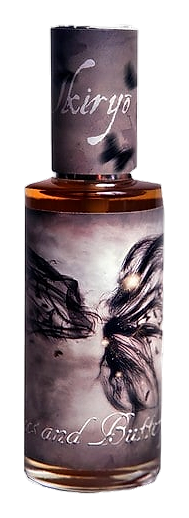
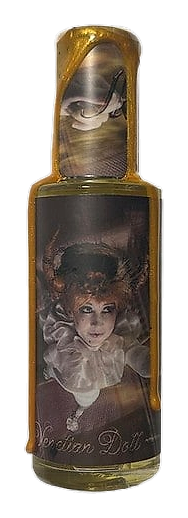
IkiryōIkiryō is an independent perfume house based in San Francisco, founded by Vincent Dreamhouse. The brand takes its name from the Japanese concept of ikiryō: a spirit that leaves the body during sleep, wandering between worlds while the physical form rests. This haunting imagery infuses the entire collection, where each fragrance functions as a kind of olfactory double, capturing emotional states and narrative moments rather than simple ingredient assemblies. Ikiryō has released roughly a dozen perfumes since its debut, including Desdemona, Miscegenation, Succubus, Incubus, Damn Hippie, Ame Torturée, Lucidité, Fugue, Continuum, and Beija-Flor. The house occupies a distinctive position within American artisan perfumery, blending theatrical conceptualization with materials drawn from the broader fragrance supply chain. Vincent Dreamhouse brings a background in costume and visual design for opera companies to his work in fragrance, translating a sense of character, narrative, and stagecraft into liquid form. The result is a collection that tends toward atmospheric, emotionally layered compositions with names borrowed from literature, mythology, and cultural archetypes.
The Creator
Vincent AveryAvery's documented signature lies less in a fixed list of materials than in his independent, multidisciplinary way of composing fragrance. His perfumes emerge from projects that combine design and photography, giving each scent a broader artistic frame.