
The Story
Why it exists.
The beginning
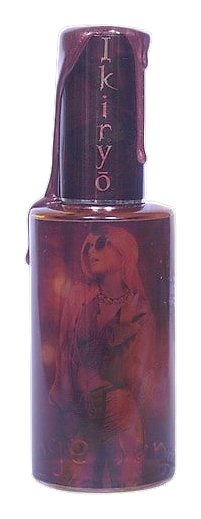
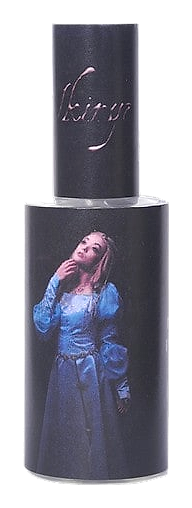
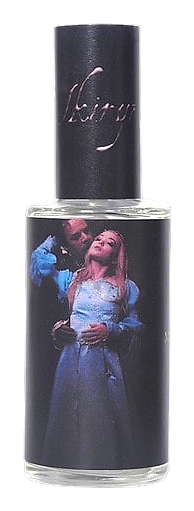
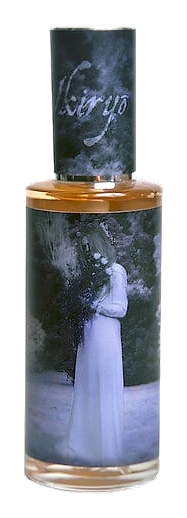
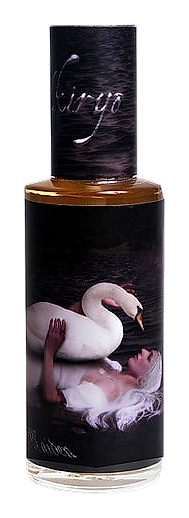
The Swan Maiden was created by perfumer Vincent of Dreamhouse and takes inspiration from the fairy tale of the same name. Its name also recalls bridal flowers, giving the fragrance a graceful narrative from the start. The floral materials form the clearest part of its identity: lotus, forget-me-not, stephanotis, and white rose establish a soft, elegant center. Alongside them, ozonic and aquatic notes lend a fresh, damp quality to the composition. Honey and cocoa introduce sweetness, while ambergris, castoreum, moss, vetiver, and ambroxan add earthy, mineral, and gently animalic dimensions. The result is a layered fragrance that can be appreciated through both its delicate floral character and the contrasting textures within its note list.
The floral heart is built from lotus, forget-me-not, stephanotis, and white rose, giving the composition an airy, ceremonial softness. White rose lends a polished, familiar floral quality, while stephanotis adds a clean white-flower presence. Lotus contributes a rounded, delicate texture, and forget-me-not keeps the arrangement light. Beneath this floral layer, honey, cocoa, ambergris, castoreum, moss, and vetiver broaden the composition. Honey brings a smooth sweetness, and cocoa adds a rounder, darker accent. Ambergris lends a mineral softness, while moss and vetiver introduce earthy depth.
The evolution
The composition begins with ozonic and aquatic notes, establishing a fresh, damp impression. Lotus, forget-me-not, stephanotis, and white rose form the floral heart, balancing the opening freshness with a clean and delicate bouquet. White rose and stephanotis provide familiar white-floral softness, while lotus adds a rounder texture and forget-me-not keeps the floral impression light and airy. As the fragrance develops, honey and cocoa bring additional sweetness. Their roles differ within the composition: honey feels smooth and enveloping, while cocoa adds a softer, rounder depth. The base notes then contribute a more substantial foundation. Ambergris gives a mineral character, castoreum introduces a faint animalic quality, and moss and vetiver add earthy texture. Ambroxan brings ambery warmth that connects with the sweetness of honey and cocoa while maintaining a clean edge.
Cultural impact
The Swan Maiden draws its title from the fairy tale of the same name, giving the fragrance a connection to transformation, folklore, and symbolic storytelling. The name also suggests bridal flowers, while the composition develops that floral association through lotus, forget-me-not, stephanotis, and white rose. User descriptions characterize it through images of a delicate water fairy, floral sweetness, and an earthy aquatic atmosphere. Those impressions reflect the fragrance's use of ozonic and aquatic notes alongside flowers and warm, natural materials.
The House
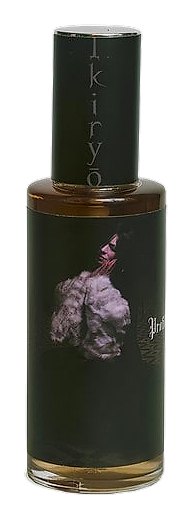
IkiryōIkiryō is an independent perfume house based in San Francisco, founded by Vincent Dreamhouse. The brand takes its name from the Japanese concept of ikiryō: a spirit that leaves the body during sleep, wandering between worlds while the physical form rests. This haunting imagery infuses the entire collection, where each fragrance functions as a kind of olfactory double, capturing emotional states and narrative moments rather than simple ingredient assemblies. Ikiryō has released roughly a dozen perfumes since its debut, including Desdemona, Miscegenation, Succubus, Incubus, Damn Hippie, Ame Torturée, Lucidité, Fugue, Continuum, and Beija-Flor. The house occupies a distinctive position within American artisan perfumery, blending theatrical conceptualization with materials drawn from the broader fragrance supply chain. Vincent Dreamhouse brings a background in costume and visual design for opera companies to his work in fragrance, translating a sense of character, narrative, and stagecraft into liquid form. The result is a collection that tends toward atmospheric, emotionally layered compositions with names borrowed from literature, mythology, and cultural archetypes.
The Creator
Vincent of DreamhouseVincent's aesthetic remains somewhat opaque from available information, as neither specific fragrance compositions nor signature ingredients have been documented in sources reviewed. His Japanese-influenced brand naming suggests cultural curiosity and a willingness to draw fro…