The Story
Why it exists.
The beginning
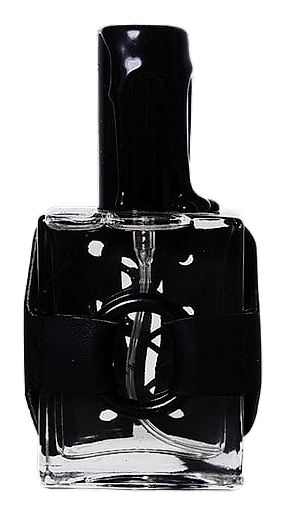
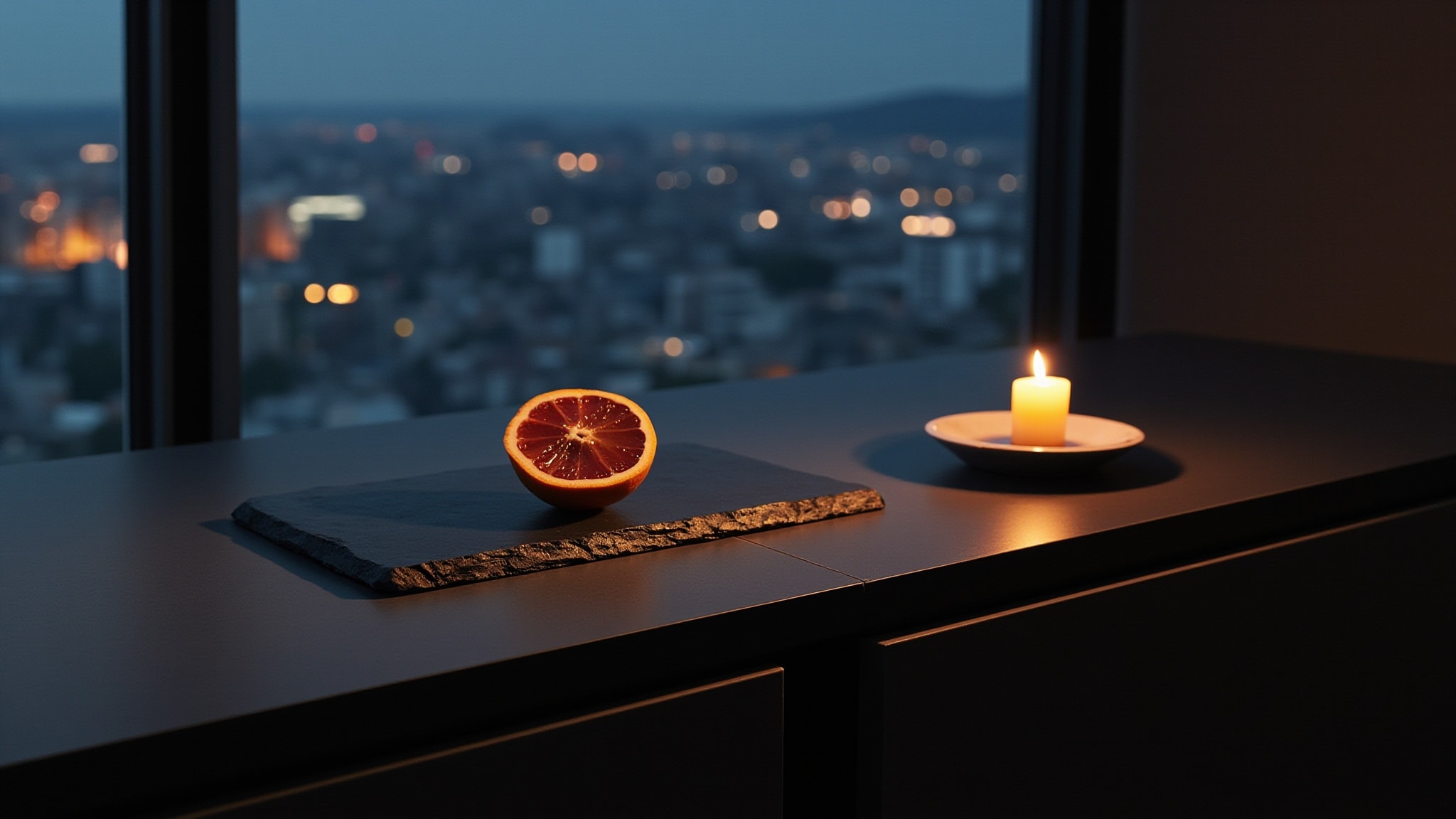
Orange Sunshine arrived in 2017, a composition where orange does the opening act while amber, opium, and patchouli hold the runtime. The brand behind it draws its name from a Japanese concept of something operating in two states at once, and that dual-state logic runs through the way it composes, at least in this release. Orange Sunshine reads as that idea made tangible: a bright sunny top half and a shadowed, resin-drenched bottom half operating in the same space. It's citrus behaving like a memory of citrus, half here, half somewhere else entirely. The orange at the opening carries a candied ripeness, almost confected, then begins to thin as the resins underneath start pulling it into unfamiliar territory.
What separates this from a standard orange-cologne template is the density underneath. The listed composition runs through myrrh, beeswax, labdanum, frankincense, and incense before reaching the amber-musk-sandalwood base, and that progression is unusual for a citrus-led release. The brand treats orange not as a standalone note but as a single voice in a much larger choir, and the result is something that smells like sunlight landing on an old wooden church floor rather than a poolside spritz. The resins don't just support the orange; they give it somewhere to go, somewhere to dim toward.
The evolution
The opening belongs heavily to orange, loud and unashamed, almost candied at its peak before the resins underneath start pulling it downward. As the composition pivots, myrrh and beeswax arrive together, giving the whole thing a waxy, candlelit quality, and patchouli settles in low and earthy. Eventually the orange becomes something else entirely, a faint warmth buried inside the amber-labdanum heart, more suggestion than statement. The drydown is where this fragrance lives longest. Sandalwood, musk, vanilla, and clearwood hold a quiet, skin-close line for the remaining hours, warm and a little narcotic, with the incense still threading through faintly. The projection softens in the later hours, but it keeps showing up on skin past the usual window, which is its own kind of confidence.
Cultural impact
Orange Sunshine works a particular angle within resin-forward perfumery by leading with a friendly, approachable top note as the hook while the substance sits underneath in heavier material. For wearers drawn to resin-oriented compositions but cautious about venturing too far into church-incense territory, this opens a comfortable entry point. It demonstrates how orange can carry a more substantial architecture behind it, not just function as a summer cologne pivot.
The House
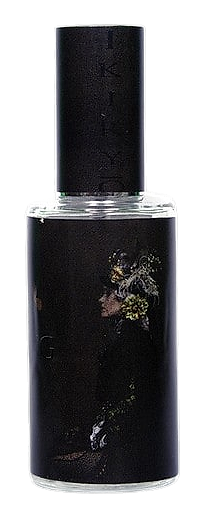
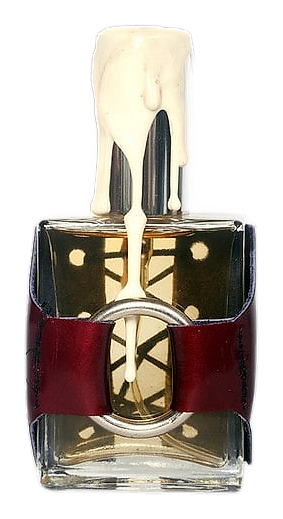
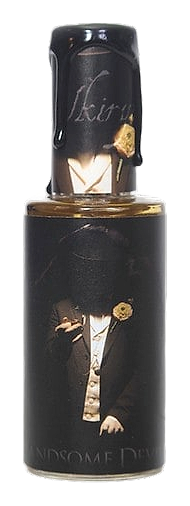
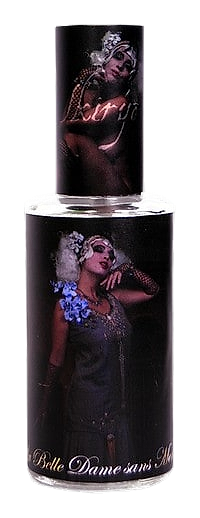
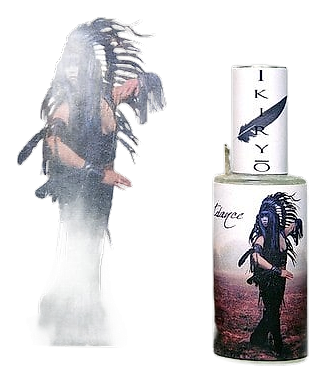
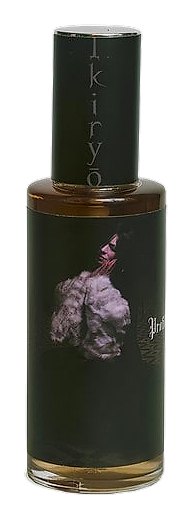
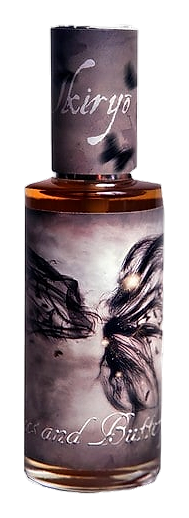
IkiryōIkiryō is an independent perfume house based in San Francisco, founded by Vincent Dreamhouse. The brand takes its name from the Japanese concept of ikiryō: a spirit that leaves the body during sleep, wandering between worlds while the physical form rests. This haunting imagery infuses the entire collection, where each fragrance functions as a kind of olfactory double, capturing emotional states and narrative moments rather than simple ingredient assemblies. Ikiryō has released roughly a dozen perfumes since its debut, including Desdemona, Miscegenation, Succubus, Incubus, Damn Hippie, Ame Torturée, Lucidité, Fugue, Continuum, and Beija-Flor. The house occupies a distinctive position within American artisan perfumery, blending theatrical conceptualization with materials drawn from the broader fragrance supply chain. Vincent Dreamhouse brings a background in costume and visual design for opera companies to his work in fragrance, translating a sense of character, narrative, and stagecraft into liquid form. The result is a collection that tends toward atmospheric, emotionally layered compositions with names borrowed from literature, mythology, and cultural archetypes.
The Creator
Vincent of DreamhouseVincent's aesthetic remains somewhat opaque from available information, as neither specific fragrance compositions nor signature ingredients have been documented in sources reviewed. His Japanese-influenced brand naming suggests cultural curiosity and a willingness to draw fro…