
The Story
Why it exists.
The beginning
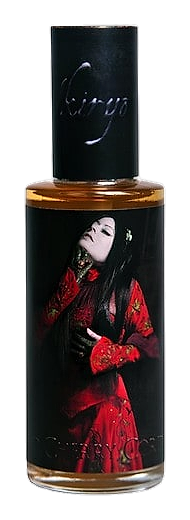
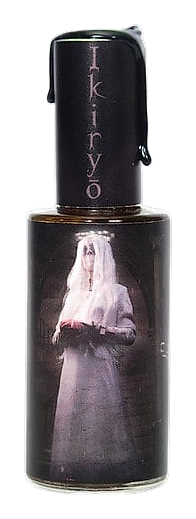
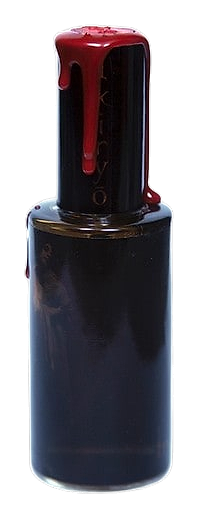
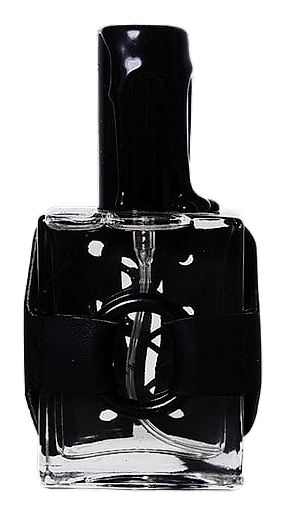
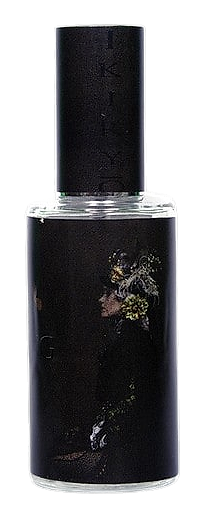
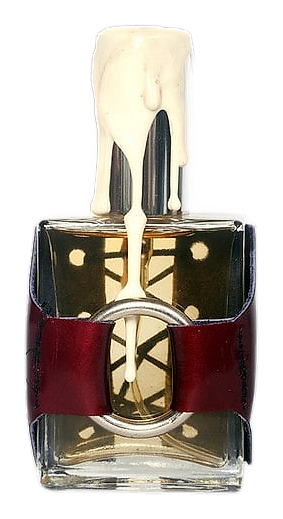
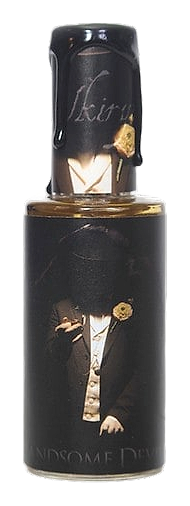
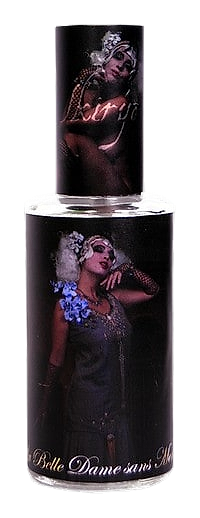
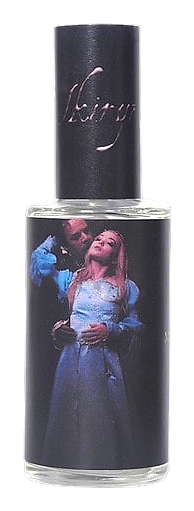
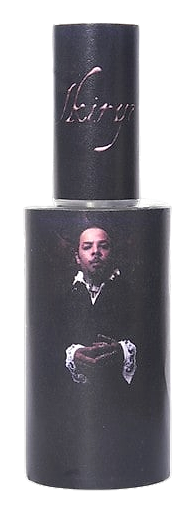
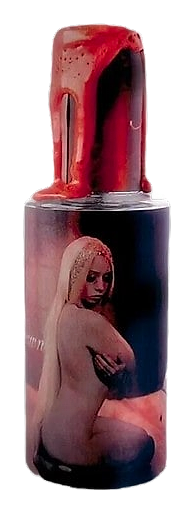
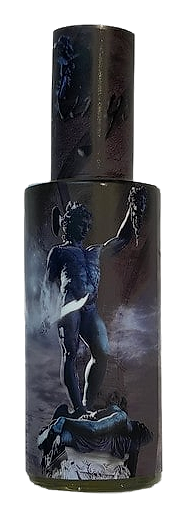
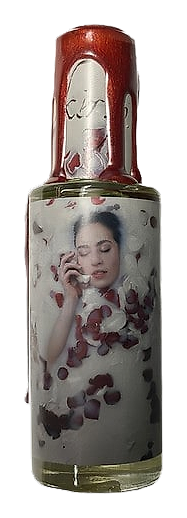
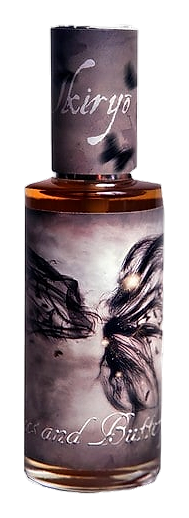
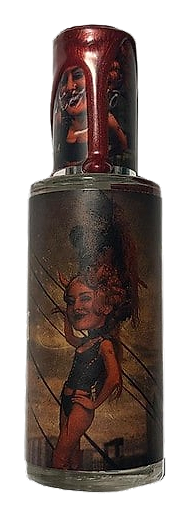
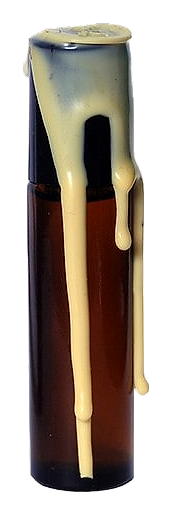
Lucrezia Borgia. The reference lands heavy on purpose. Vincent Dreamhouse built Vanilla Opi-Oud around her, the poison-and-pastry archetype, and launched it in January 2017 as the flagship of Ikiryō's inaugural "These Sinful Three" series, a triptych of 10 ml bottles each representing a historical figure tangled in vice. The press materials frame the collection as "grown-up vices," and this one wears its sins openly: opium, amaretto, oud, the full decadent catalog. Vanilla Opi-Oud wasn't designed to court a crowd. It was designed to summon a room.
Most gourmands stop at sweetness. This one keeps going. Costus, that earthy, almost animalic root, threads through the composition like incense under church candles, giving the cream notes a gravity they wouldn't have alone. The oud isn't woody or medicinal here. It's a resinous hum, the kind that pulls a custard toward something older, heavier, less innocent. Amaretto adds the almond liqueur bite, a boozy brightness that prevents the whole thing from collapsing into pure sugar. And then there's the opium accord, less a literal note than a mood. The composition works because it refuses the easy path of a single-note dessert fragrance. Every element earns its place against the rest.
The evolution
The opening hits like a dessert cart pushed through a temple. Whipped cream and crème brûlée sweetness rise first, airy and immediate, but underneath, the amaretto carries a marzipan bitterness that says this isn't kitchen play. Magnolia lifts through the sweetness with a soft, almost powdered floral. It smells innocent. That's the trap. Around the 30-minute mark, costus starts asserting itself, that earthy, rooty, slightly dirty thread that grounds everything. The cream notes begin to settle into something warmer, less aerated, more like skin under candlelight. Pink lotus drifts through the middle phase, adding a watery sweetness that keeps the composition from getting too heavy. Oud shows up not as a sharp wood note but as a deep, resinous warmth, the kind that takes over a room without announcing itself. By hour three, the composition has fully shifted. The whipped cream is gone, replaced by something that reads more like vanilla pod steeped in dark spirits. Musk and magnolia settle into a close-skin intimacy.
Cultural impact
The "These Sinful Three" series introduced Ikiryō to the wider fragrance world, with Vanilla Opi-Oud standing as the flagship of that triptych. The line set a tone of gourmand compositions that carry literary weight, built for wearers who want their scent to carry a story rather than just a pleasant sweetness. Vanilla Opi-Oud leans into that intention with a striking combination of costus and oud against cream and amaretto, marrying dessert-like softness with something far more resinous and brooding.
The House
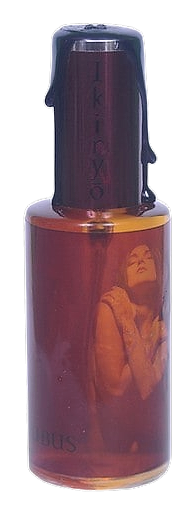
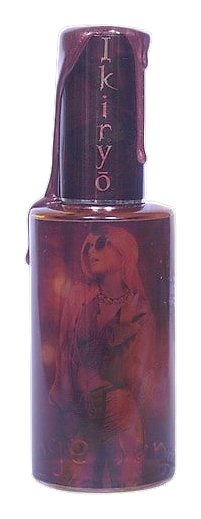
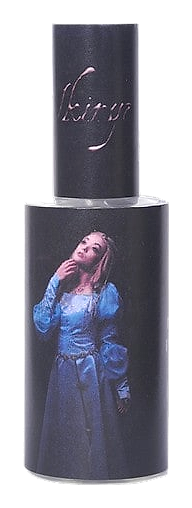
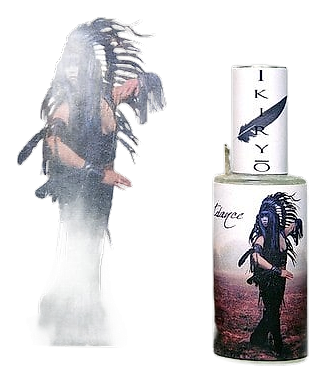
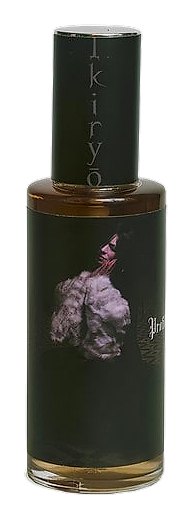
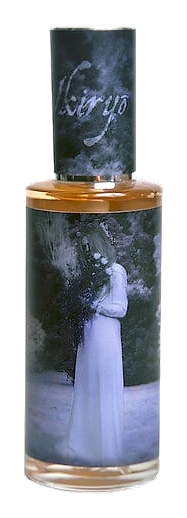
IkiryōIkiryō is an independent perfume house based in San Francisco, founded by Vincent Dreamhouse. The brand takes its name from the Japanese concept of ikiryō: a spirit that leaves the body during sleep, wandering between worlds while the physical form rests. This haunting imagery infuses the entire collection, where each fragrance functions as a kind of olfactory double, capturing emotional states and narrative moments rather than simple ingredient assemblies. Ikiryō has released roughly a dozen perfumes since its debut, including Desdemona, Miscegenation, Succubus, Incubus, Damn Hippie, Ame Torturée, Lucidité, Fugue, Continuum, and Beija-Flor. The house occupies a distinctive position within American artisan perfumery, blending theatrical conceptualization with materials drawn from the broader fragrance supply chain. Vincent Dreamhouse brings a background in costume and visual design for opera companies to his work in fragrance, translating a sense of character, narrative, and stagecraft into liquid form. The result is a collection that tends toward atmospheric, emotionally layered compositions with names borrowed from literature, mythology, and cultural archetypes.
The Creator
Vincent of DreamhouseVincent's aesthetic remains somewhat opaque from available information, as neither specific fragrance compositions nor signature ingredients have been documented in sources reviewed. His Japanese-influenced brand naming suggests cultural curiosity and a willingness to draw fro…