The Story
Why it exists.
The beginning
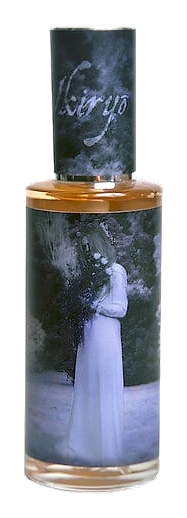
The image is spare and suggestive: a figure in a doorway, late light, a pause between sentences. Perseus is presented through that suspended atmosphere rather than a single literal setting. The idea invites a measured reading, with each layer adding a little depth without crowding the frame. Its small cast of materials gives the fragrance a sense of focus. There is room for nuances to register, but also space for them to remain unresolved. What stays is the mood: reflective, intimate, and composed. A quiet impression made from restraint rather than spectacle.
The composition makes a virtue of tension. A note that could read as familiar becomes stranger through its sharper edges, while another brings an opposing texture that keeps the whole from becoming too direct. There is sweetness here, but it is tempered by a medicinal impression and a warmer, fleshier counterpoint. The contrast gives the scent movement, preventing it from settling into a single category. A saline, animalic undertone introduces distance from pure confection, and the base leaves a restrained finish. Four notes, no visible safety net.
The evolution
The opening gives bitter almond the first word. It arrives as a soft, powdered sweetness, but not the uncomplicated sweetness of something freshly baked. A faint metallic edge runs beneath it, closer to almond skin than almond cream. The impression is slightly dry, a little medicinal, and deliberately held back from overt sweetness. As the fragrance develops, jasmine begins to surface. It does not arrive as a bright floral wave; instead, it warms from underneath, becoming gradually more tactile and fleshy. The almond softens, losing some of its sharper bite as the jasmine gains presence. By the second hour, the two impressions have settled into a warmer, more skin-like accord, still sweet, still slightly salty, with the powdered almond memory continuing underneath. Ambergris surfaces during this phase, doing quiet work in the background.
Cultural impact
Perseus is an intimate entry that encourages close wearing rather than statement-making. Its quiet sophistication is something to discover gradually, especially at a distance that allows the different facets to gather before becoming obvious. The effect favors those who prefer their fragrance to be revealed through moments of proximity, where the wearer and the fragrance share the same atmosphere. It is a composition to inhabit slowly, without forcing itself into the center of every room.
The House
IkiryōIkiryō is an independent perfume house based in San Francisco, founded by Vincent Dreamhouse. The brand takes its name from the Japanese concept of ikiryō: a spirit that leaves the body during sleep, wandering between worlds while the physical form rests. This haunting imagery infuses the entire collection, where each fragrance functions as a kind of olfactory double, capturing emotional states and narrative moments rather than simple ingredient assemblies. Ikiryō has released roughly a dozen perfumes since its debut, including Desdemona, Miscegenation, Succubus, Incubus, Damn Hippie, Ame Torturée, Lucidité, Fugue, Continuum, and Beija-Flor. The house occupies a distinctive position within American artisan perfumery, blending theatrical conceptualization with materials drawn from the broader fragrance supply chain. Vincent Dreamhouse brings a background in costume and visual design for opera companies to his work in fragrance, translating a sense of character, narrative, and stagecraft into liquid form. The result is a collection that tends toward atmospheric, emotionally layered compositions with names borrowed from literature, mythology, and cultural archetypes.
The Creator
Vincent of DreamhouseVincent's aesthetic remains somewhat opaque from available information, as neither specific fragrance compositions nor signature ingredients have been documented in sources reviewed. His Japanese-influenced brand naming suggests cultural curiosity and a willingness to draw fro…