The Story
Why it exists.
The beginning
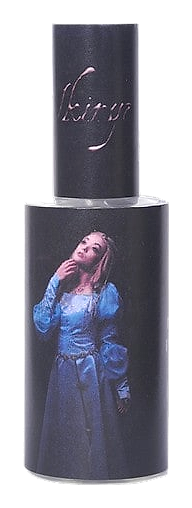
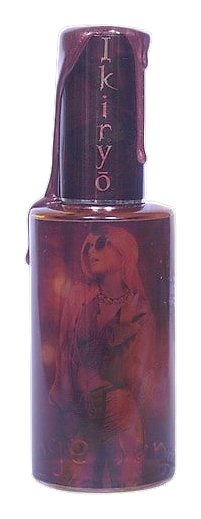
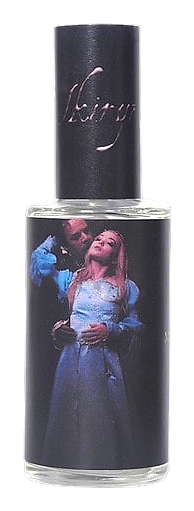
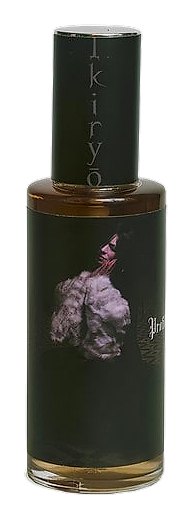
Anne Boleyn entered Ikiryō's world in 2018, created by Vincent of Dreamhouse and released on May 19, Anne Boleyn's birthday. The date gives the name its edge, while the composition supplies the drama: a dark, incensey rose framed by labdanum, musk, peony, vanilla, and brandy. There's no powdered portrait here, no neat historical recreation. The name invokes a queen, but the scent behaves more like a character study. Its floral side is polished and poised. Its resinous, smoky side knows the court has teeth. That tension is the point.
Rose and peony supply the perfume's composed floral register, but several materials keep it away from simple prettiness. Incense adds a ritualistic shadow, while brandy brings dark warmth rather than a bright boozy fizz. Labdanum gives the composition a deep, ambered grip, with musk and vanilla softening the edges without erasing their weight. Together, the ingredients create a floral and precious impression with a masculine tension beneath it. The rose remains clear, but incense, brandy, and labdanum make the overall effect darker and more substantial.
The evolution
The first impression is polished, with rose and peony carrying a cool, powdery elegance while incense introduces a darker layer. As the composition settles, brandy and labdanum add warm, resinous depth. The rose remains recognizable, but it feels fuller and less courtly. During the drydown, vanilla and musk round the sharper edges while a subtle animalic quality keeps the result from becoming too neat. That warmth lingers close to the skin, leaving a dark floral trace rather than disappearing. Its performance is deliberate and composed, with a strong presence that remains controlled.
Cultural impact
Anne Boleyn belongs to Ikiryō's Profiles series, a collection that places recognizable historical names within the language of fragrance. The name carries an established cultural weight, while the scent itself focuses on rose, peony, incense, brandy, labdanum, musk, and vanilla. Its floral core is complicated by resinous warmth and a darker, more serious character, giving the composition an identity distinct from a conventional floral perfume.
The House
IkiryōIkiryō is an independent perfume house based in San Francisco, founded by Vincent Dreamhouse. The brand takes its name from the Japanese concept of ikiryō: a spirit that leaves the body during sleep, wandering between worlds while the physical form rests. This haunting imagery infuses the entire collection, where each fragrance functions as a kind of olfactory double, capturing emotional states and narrative moments rather than simple ingredient assemblies. Ikiryō has released roughly a dozen perfumes since its debut, including Desdemona, Miscegenation, Succubus, Incubus, Damn Hippie, Ame Torturée, Lucidité, Fugue, Continuum, and Beija-Flor. The house occupies a distinctive position within American artisan perfumery, blending theatrical conceptualization with materials drawn from the broader fragrance supply chain. Vincent Dreamhouse brings a background in costume and visual design for opera companies to his work in fragrance, translating a sense of character, narrative, and stagecraft into liquid form. The result is a collection that tends toward atmospheric, emotionally layered compositions with names borrowed from literature, mythology, and cultural archetypes.
The Creator
Vincent of DreamhouseVincent's aesthetic remains somewhat opaque from available information, as neither specific fragrance compositions nor signature ingredients have been documented in sources reviewed. His Japanese-influenced brand naming suggests cultural curiosity and a willingness to draw fro…