
The Story
Why it exists.
The beginning
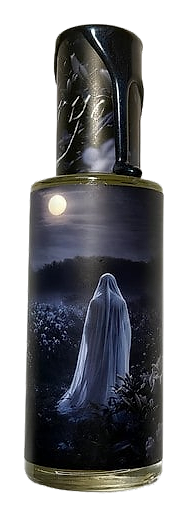
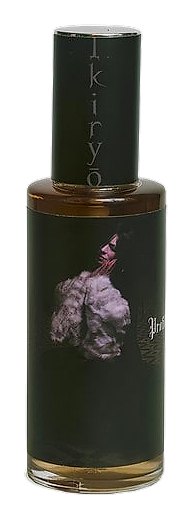
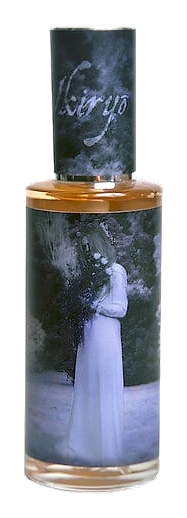
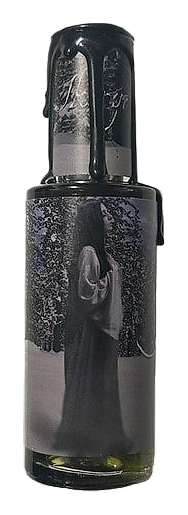
Yukion’na takes its name from the Japanese snow ghost, the Woman of the Snow, and arrives as a 2025 release from Ikiryō. Vincent of Dreamhouse composed it as a winter-forest atmosphere, where sharp aromatic notes meet a pale floral hush. Pine, mandarin, yuzu, and juniper contribute to the cold-air impression, though the listed notes don’t establish a verified opening order. White musk, patchouli, incense, orchid, moss, snow, chrysanthemum, and repeated pine give the composition its spectral turn, layering woods, resins, soft floral textures, and mineral cold into a dense winter tableau. The name carries a folklore charge, but the composition keeps the ghost at a distance. You don't see her. You catch the trace she left behind.
The unusual part is how Yukion’na makes a cold story feel tactile. Snow and yuzu bring a crystalline brightness, while moss, patchouli, and incense pull the composition toward damp bark and ritual smoke. White musk and cashmeran keep that darkness from becoming heavy. Together, they leave a powder-soft buffer around the sharper materials, allowing woody, green, floral, and mineral notes to overlap without collapsing into a single clear image.
The evolution
Yukion’na is built around a layered winter-forest atmosphere rather than a verified opening-to-drydown sequence. Mandarin, yuzu, pine, and juniper contribute citrus, evergreen, aromatic, and lightly peppered impressions, while incense and frankincense create a cool resinous veil. Orchid and chrysanthemum bring a pale floral hush. Moss, patchouli, and snow deepen the impression of damp bark, earth, smoke, and cold air, giving the composition a damp, quiet, and slightly unreal character. White musk, cashmeran, hiba wood, and black musk add soft, woody, and musky textures to the listed materials. Overall, Yukion’na reads less like a bright snowfield than a trace left in a cold room, woody and resinous with a soft muskcushion beneath it. Its longevity and evolution will vary with skin and application.
Cultural impact
Yukion’na connects the Japanese snow ghost, the Woman of the Snow, with a contemporary fragrance built around winter-forest imagery. Its listed materials move between citrus, evergreen woods, yuzu, juniper, incense, floral notes, moss, snow, and musk, allowing the composition to feel both familiar and strange. The result is a scent story shaped by folklore, cold landscapes, and the lingering sense of an absent presence.
The House
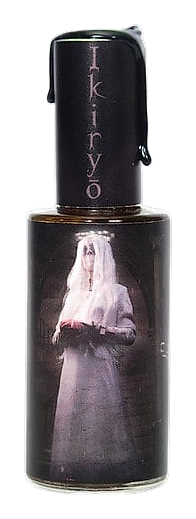
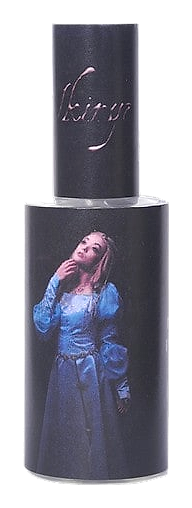
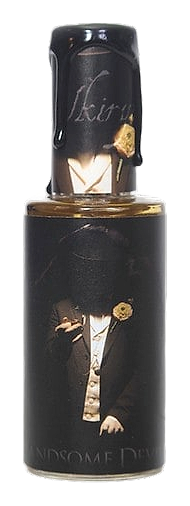
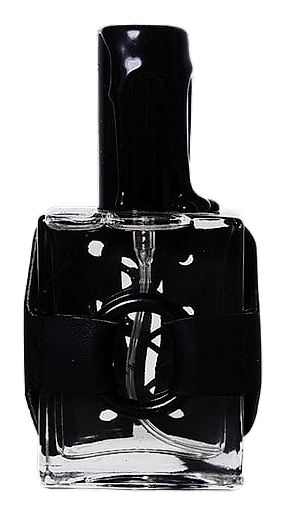
IkiryōIkiryō is an independent perfume house based in San Francisco, founded by Vincent Dreamhouse. The brand takes its name from the Japanese concept of ikiryō: a spirit that leaves the body during sleep, wandering between worlds while the physical form rests. This haunting imagery infuses the entire collection, where each fragrance functions as a kind of olfactory double, capturing emotional states and narrative moments rather than simple ingredient assemblies. Ikiryō has released roughly a dozen perfumes since its debut, including Desdemona, Miscegenation, Succubus, Incubus, Damn Hippie, Ame Torturée, Lucidité, Fugue, Continuum, and Beija-Flor. The house occupies a distinctive position within American artisan perfumery, blending theatrical conceptualization with materials drawn from the broader fragrance supply chain. Vincent Dreamhouse brings a background in costume and visual design for opera companies to his work in fragrance, translating a sense of character, narrative, and stagecraft into liquid form. The result is a collection that tends toward atmospheric, emotionally layered compositions with names borrowed from literature, mythology, and cultural archetypes.
The Creator
Vincent of DreamhouseVincent's aesthetic remains somewhat opaque from available information, as neither specific fragrance compositions nor signature ingredients have been documented in sources reviewed. His Japanese-influenced brand naming suggests cultural curiosity and a willingness to draw fro…