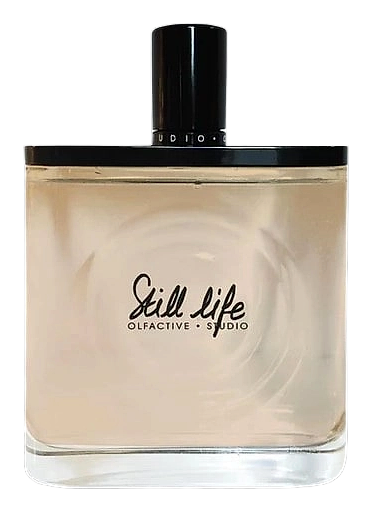
The Story
Why it exists.
The beginning
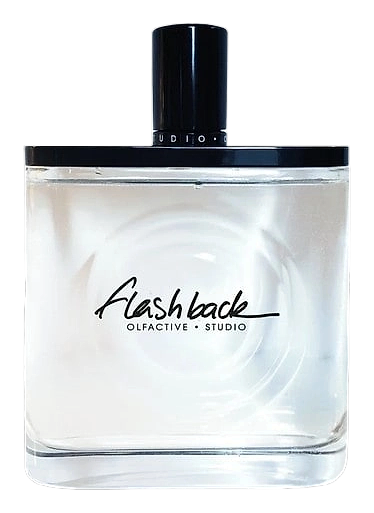
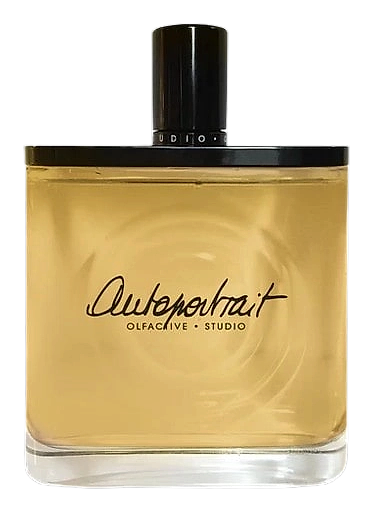
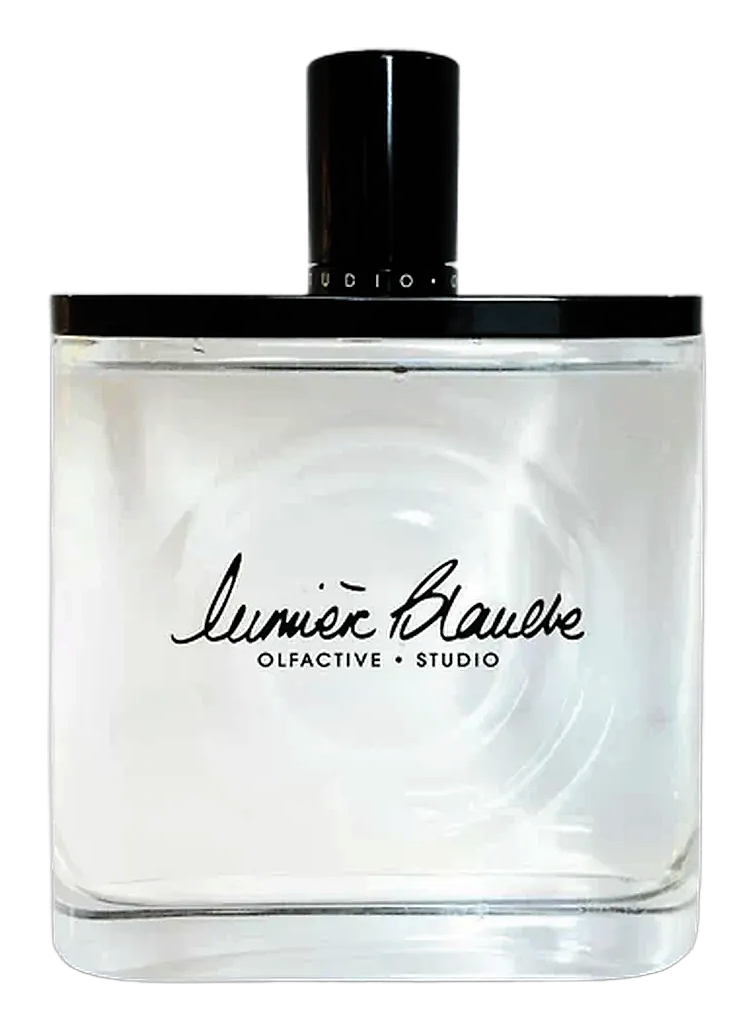
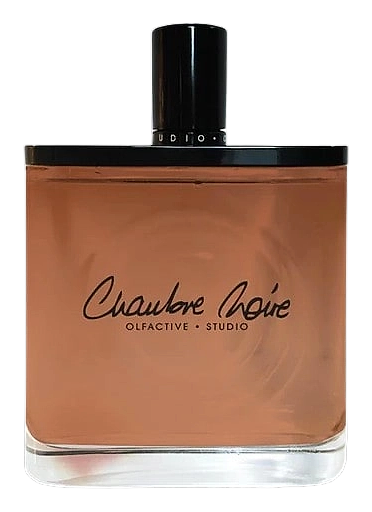
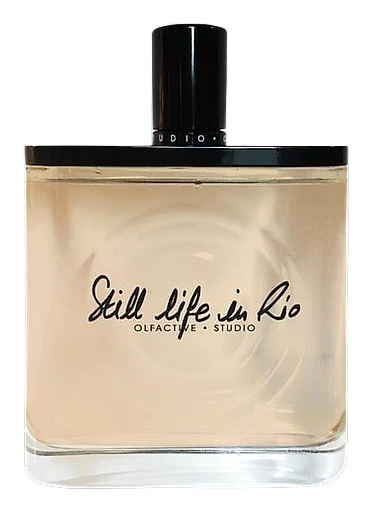
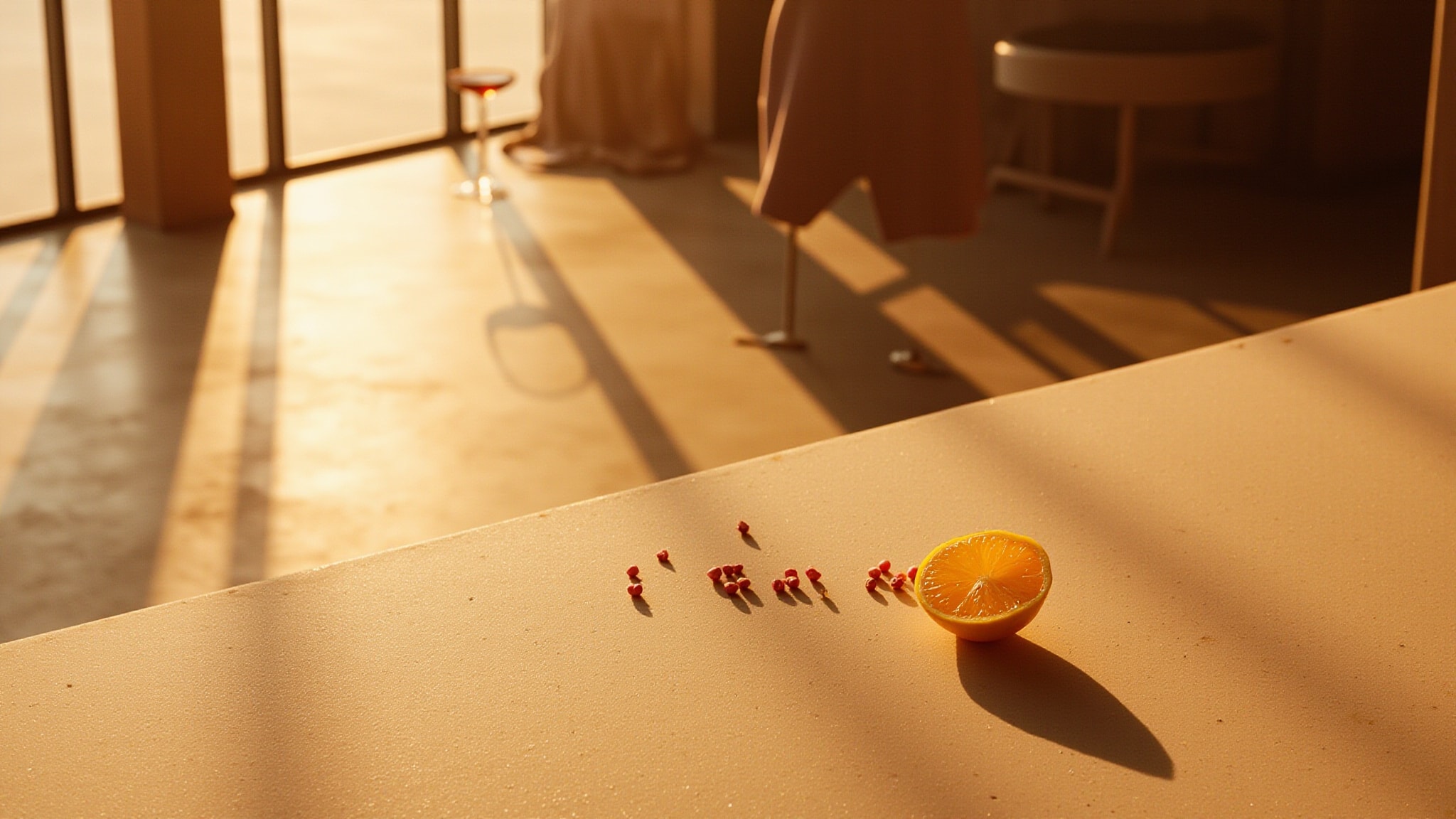
The brief arrived as an image, not words. Photographer Frederic Lebain captured a still life composition, the kind of photographed object that holds its own against the camera, and Dora Baghriche-Arnaud was tasked with translating it into scent. This was 2011, and Olfactive Studio had just opened its Paris studio with a premise that was both simple and strange: what if a photograph could be the starting point for a fragrance? Not a memory, not a season, not a person, an image. The studio selected three topics for its inaugural collection: self-portrait, dark chamber, and still life. Each photograph became a brief. Each brief became a perfume. Still Life arrived that way, born from light and shadow, from the moment a composition stops moving and becomes something to study. The yuzu in the formula is no accident. Japan is where Celine Verleure looked for brightness, for the kind of citrus that carries ceremony and refinement in equal measure.
What makes Still Life's structure interesting is how it borrows the logic of a cocktail, not metaphorically, but structurally. The top is the pour: yuzu splashes bright and immediate. The heart is the muddle: galbanum and star anise add complexity and a slight bitter edge, like the herbs in a well-made daiquiri. The base is the slow sip: rum and amber warming against cedarwood, sweet and dry at once. The pepper blend, pink, Sichuan, black, doesn't function as heat the way it might in a men's fragrance. Here it's more like spice in a tropical dish: present, noticeable, but integrated into the whole rather than dominant.
The evolution
The yuzu opens bright and immediate, a flash of citrus that reads as almost sparkling. This phase is brief but memorable, three to four minutes of genuine luminosity before the pepper blend announces itself. The peppers arrive warm rather than sharp: Sichuan first, then pink, then black settling underneath like a bass note. What follows is the quieter heart, galbanum's green bitterness cutting through the warmth, star anise adding a faint licorice undertone that keeps the mid-section interesting. Not everyone catches it. Those who do tend to pause. The drydown belongs to the rum and cedar. These two materials hold a long conversation, the rum's sweetness softening the cedar's dry wood, amber threading warmth through both. This is where the fragrance earns its longevity, not in projection, but in persistence. Four to six hours of a scent that stays close, intimate, yours.
Cultural impact
Still Life arrived at a moment when niche perfumery was still finding its language. The 2011 launch positioned it alongside early efforts from a generation of houses that would go on to define contemporary fragrance culture. What set Olfactive Studio apart was its methodology, not description, but translation. A photograph as brief. A scent as result. The concept hasn't aged: art-world fluency remains central to how fragrance collectors talk about niche houses. Still Life fits neatly into that tradition, a fragrance for someone who thinks in frames and narratives, who translates experience across senses.