Vincent Avery
Vincent Avery is the creative figure behind designer fragrances rooted in the Bay Area. From Berkeley, California, he began building projects that pair perfume with his work as a designer and photographer, treating scent as part of a larger visual identity rather than a separate decorative layer. His fragrance activity dates to 2008, giving him more than a decade of experience within the independent perfume scene. Public information about his professional training remains limited, so the clearest record is his own multidisciplinary practice: an interest in design, image-making, and fragrance expressed through distinctive personal projects. His work occupies an independent niche, where composition and presentation often seem to arise from the same artistic impulse.
The hits
Notable creations


The signature
How Vincent composes
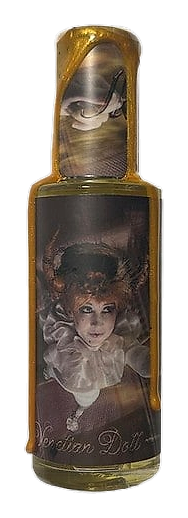
Avery's documented signature lies less in a fixed list of materials than in his independent, multidisciplinary way of composing fragrance. His perfumes emerge from projects that combine design and photography, giving each scent a broader artistic frame. That approach favors atmosphere, visual coherence, and personal invention over adherence to a conventional category or house style. Detailed note breakdowns are not available in the supplied record, so no specific ingredient preferences can be confirmed. What can be said with confidence is that Avery treats fragrance as a design medium, allowing scent, image, and narrative to shape one another within an intimate, unconventional practice.
Philosophy
What drives Vincent
Avery approaches fragrance as a designer working across scent, photography, and visual culture. His projects suggest that a perfume need not stand apart from its presentation; color, image, mood, and composition can share one creative idea. The Berkeley setting also places his practice within a culture of experimentation, though his work appears driven more by personal expression than by trend. Because detailed interviews and formal statements are scarce, it is safest to read his philosophy through that visible intersection of disciplines. For Avery, fragrance seems less like a formula alone and more like a designed atmosphere, built to be seen and smelled as one object.
The houses
Maisons Vincent composes for
In the same league