
The Story
Why it exists.
The beginning
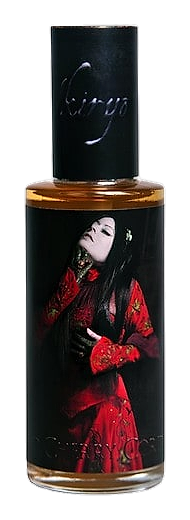
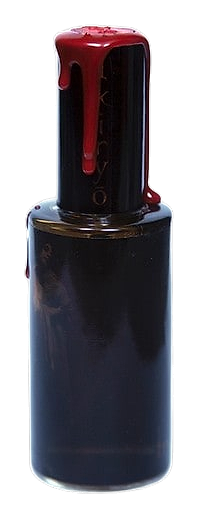
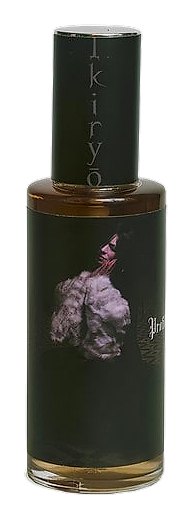
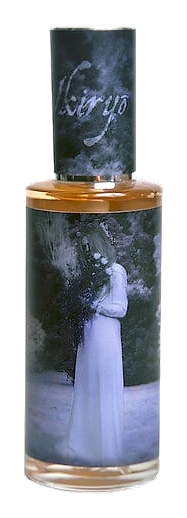
Koi Suru Hito, also known as Koi Suru Hito, translates from Japanese as “one who loves.” Introduced by Ikiryō in 2025, the name belongs to a fragrance shaped by both tenderness and shadow. Its floral name meets an oriental woody palette of cherry blossom, cognac, amberwood, angelica, costus, oud, cherry tree, and lovage. Cherry blossom and cherry tree establish a soft floral character, while angelica and lovage introduce a green, herbal lift. Oud, cherry wood, and the listed woody materials give the composition depth and weight, creating a layered scent that invites closer attention without reducing affection to a simple expression of sweetness.
The interesting part is the collision of materials. Cherry blossom and cherry tree bring a soft, seasonal floral register, while cherry wood and oud pull that sweetness into something darker and more tactile. Angelica and lovage add a green, herbal lift, keeping the composition from becoming simply plush. The floral notes provide a familiar softness, but the woody materials make that softness feel more dimensional. Together, the notes move between petal, stem, bark, and earth, with each register changing the temperature and texture of the fragrance.
The evolution
The fragrance develops through a series of contrasts rather than moving along one clearly defined path. Cherry blossom, cherry tree, angelica, and lovage establish a light floral and herbal framework, while cognac, amberwood, costus, oud, and cherry wood add warmer and darker layers around it. As the composition settles, the floral impression becomes less prominent and the woody character carries more of the scent. Angelica and lovage can lend a fresh, green quality as the softer floral notes recede. The listed materials create a shifting structure in which bright plant notes, smooth wood, dense resinous oud, and root-like costus overlap. Over time, the fragrance appears to wear from a floral opening toward a more grounded finish, leaving the different materials intertwined rather than presenting themselves as separate blocks.
Cultural impact
Koi Suru Hito combines a Japanese phrase with a fragrance built around floral, herbal, and woody materials. Its title gives the composition a specific frame, while cherry blossom, cherry tree, angelica, lovage, cognac, amberwood, costus, and oud provide a varied palette for interpreting that frame. The contrast between soft floral notes and denser woody materials gives the scent space for discovery. Rather than presenting one note as the sole focus, the composition allows its Japanese title to sit beside a sensory arrangement of petals, leaves, roots, bark, and wood, creating an engaging point of entry for fragrance exploration.
The House
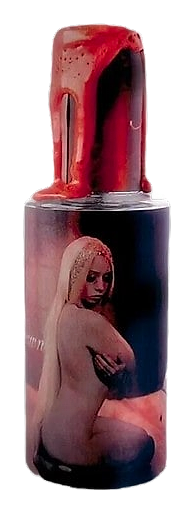
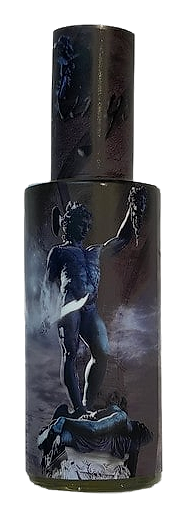
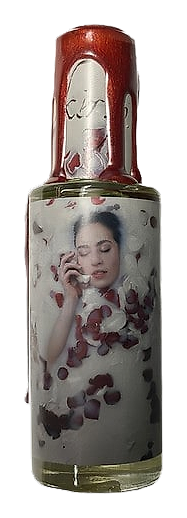
IkiryōIkiryō is an independent perfume house based in San Francisco, founded by Vincent Dreamhouse. The brand takes its name from the Japanese concept of ikiryō: a spirit that leaves the body during sleep, wandering between worlds while the physical form rests. This haunting imagery infuses the entire collection, where each fragrance functions as a kind of olfactory double, capturing emotional states and narrative moments rather than simple ingredient assemblies. Ikiryō has released roughly a dozen perfumes since its debut, including Desdemona, Miscegenation, Succubus, Incubus, Damn Hippie, Ame Torturée, Lucidité, Fugue, Continuum, and Beija-Flor. The house occupies a distinctive position within American artisan perfumery, blending theatrical conceptualization with materials drawn from the broader fragrance supply chain. Vincent Dreamhouse brings a background in costume and visual design for opera companies to his work in fragrance, translating a sense of character, narrative, and stagecraft into liquid form. The result is a collection that tends toward atmospheric, emotionally layered compositions with names borrowed from literature, mythology, and cultural archetypes.
The Creator
Vincent AveryAvery's documented signature lies less in a fixed list of materials than in his independent, multidisciplinary way of composing fragrance. His perfumes emerge from projects that combine design and photography, giving each scent a broader artistic frame.