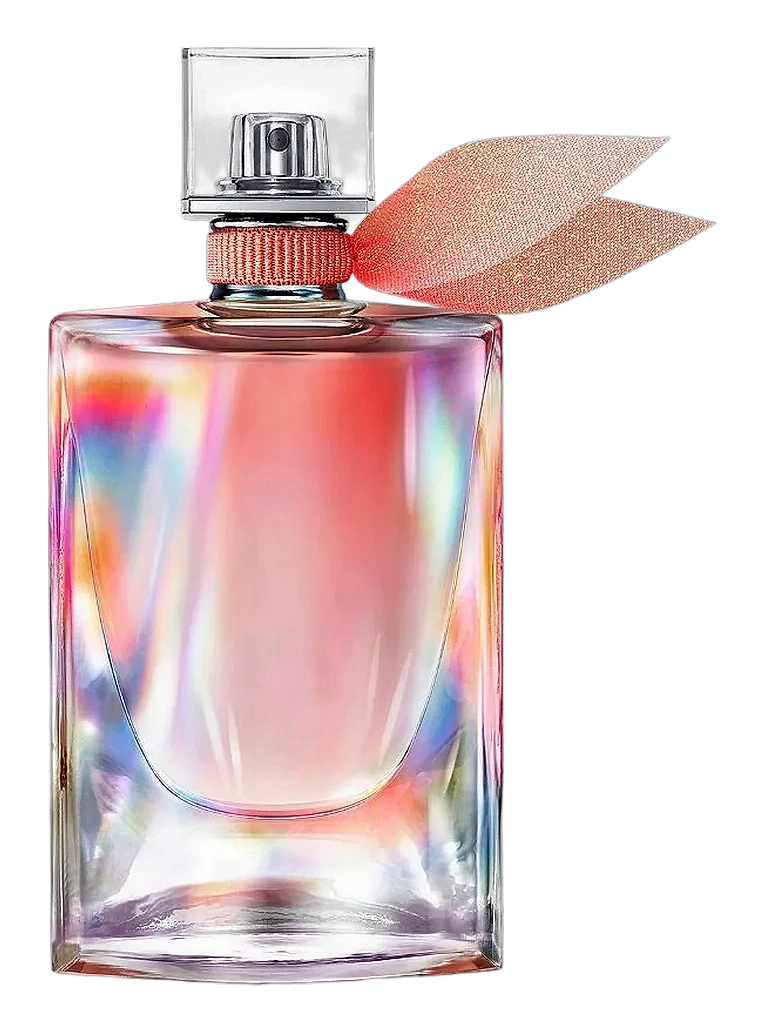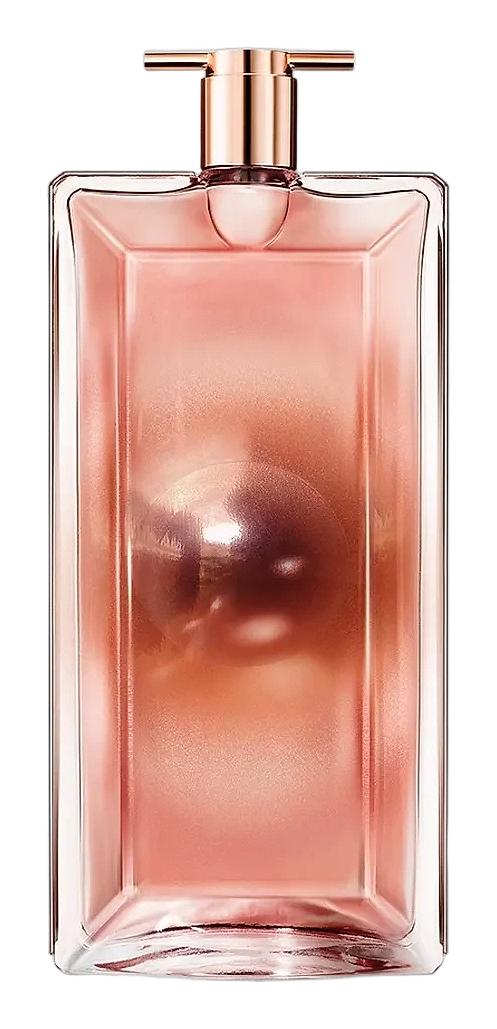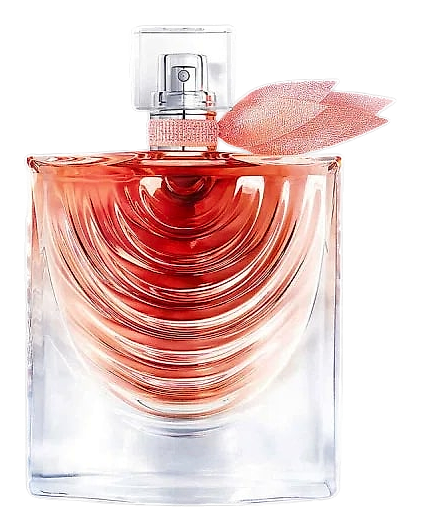
The Story
Why it exists.
The beginning
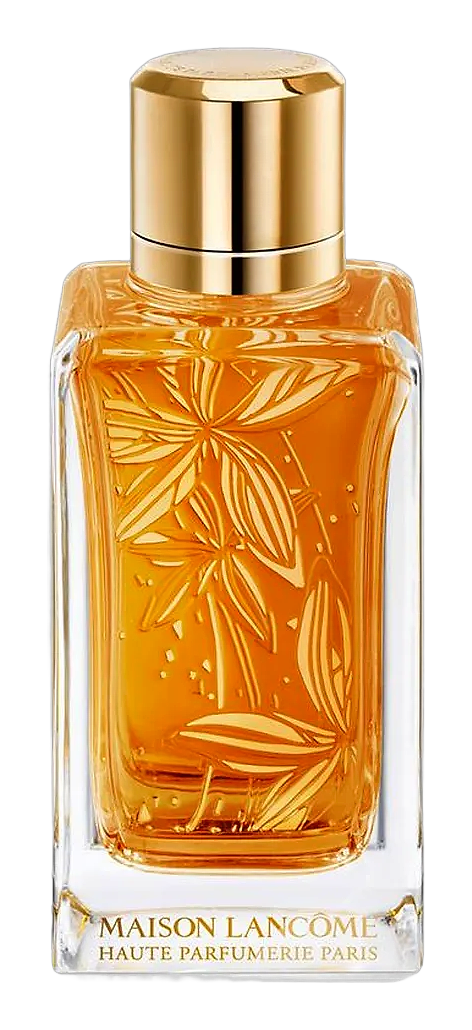
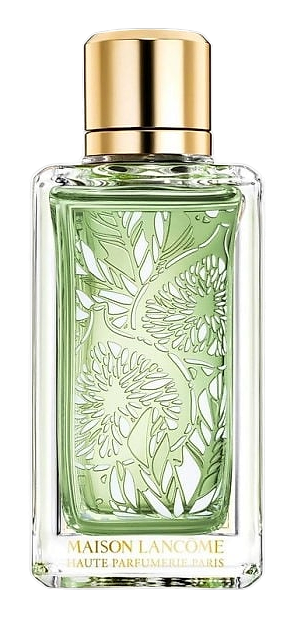
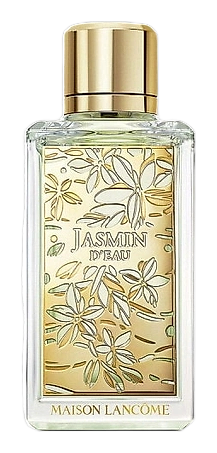
Jasmin D'eau arrived in 2021 as part of Lancôme's Maison collection, a nod to the house's French elegance and its love for luminous florals. Olivier Cresp, the nose behind the scent, set out to capture a specific sensory moment: jasmine flowers suspended above a freshly steeped cup of tea, their petals releasing fragrance into the rising steam. The fragrance is positioned as a meditation on water, specifically the element of water that separates jasmine from its aquatic cousin. Where some jasmine fragrances feel heavy or indolic, Jasmin D'eau emphasizes freshness and translucence, drawing on tea and white peach to create an effect that feels misted rather than saturated.
The note philosophy behind Jasmin D'eau reflects a belief that jasmine is most compelling when tempered rather than celebrated in isolation. Tea serves as the moderating force, its tannic quality imparting structure and restraint to an otherwise lush floral. White peach and plum blossom function as watery modifiers, their fruitiness suggesting moisture and translucence without introducing sweetness that would compete with the jasmine. Bergamot exists merely as a courtesy, a nod to the citrus-forward inclinations of modern perfumery without disrupting the core floral-tea narrative.
The evolution
The evolution of Jasmin D'eau is notable for its refusal to evolve in conventional terms. Upon application, jasmine and jasmine tea emerge together, establishing the core accord immediately. Over the first hour, white peach and plum blossom become more discernible, adding a soft edible quality that tempers the tea's astringency. Bergamot remains a ghost throughout, never fully announcing itself but subtly preventing the composition from feeling heavy. By the second and third hours, the fragrance settles into its final form, a persistent jasmine-tea duet that continues until it fades. There is no dramatic base reveal, no woody or musky emergence. The trajectory, if one can call it that, is a gradual thinning, the heart notes becoming whispers rather than transforming into something new.
Cultural impact
Since its 2021 debut, Jasmin D'eau has become a quiet favorite among fans of tea‑infused florals, often mentioned alongside Armani Privé’s Jasmin Kusamono and Gucci’s Envy. Wearers cite its fresh, non‑overpowering aura as perfect for spring brunches and office days, cementing its place as a modern, understated staple in the Maison Lancôme line.
The House
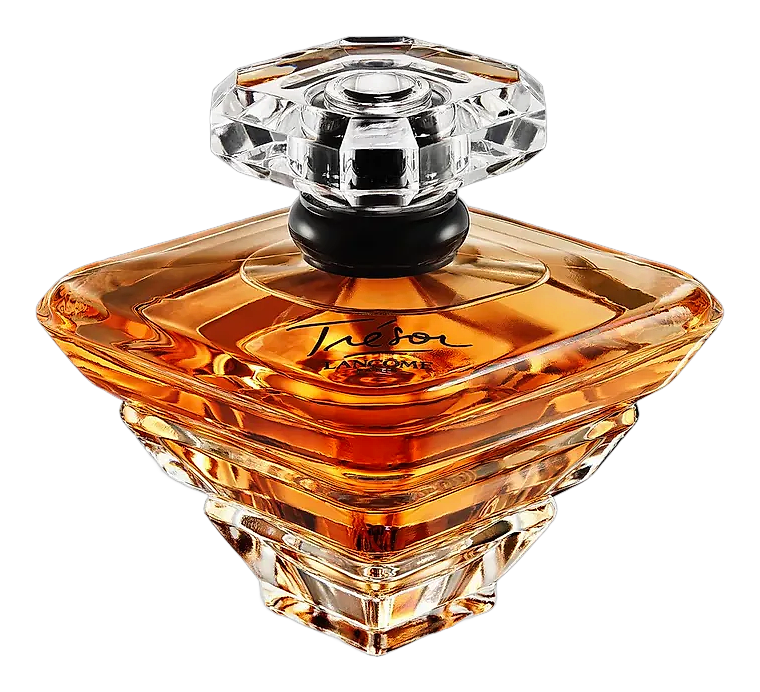
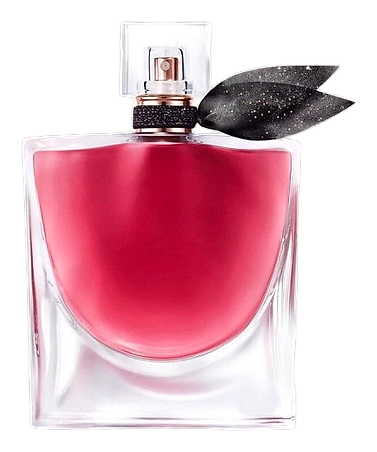
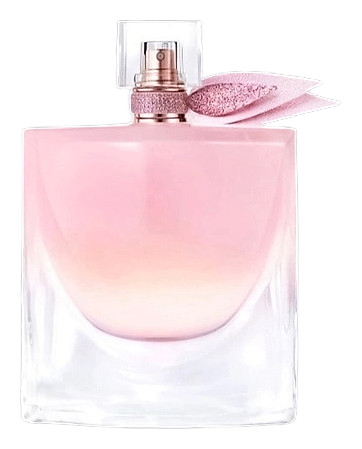
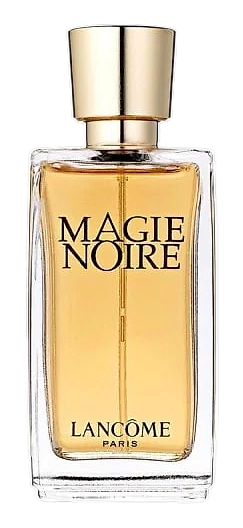
LancômeLancôme stands as one of France's most enduring luxury beauty houses, a name synonymous with elegant femininity and the art of French perfumery. Founded in 1935 by Armand Petitjean, the house emerged during economic uncertainty with a clear mission: to bring prestige back to beauty after witnessing the mass-market drift of his former employer. Today, operating under L'Oréal's luxury division, Lancôme balances heritage with modernity, crafting fragrances like La Vie Est Belle and Trésor that have become global icons while maintaining the golden rose emblem that has marked its bottles for nearly ninety years.
The Creator
Olivier CrespCresp's signature style often features a blend of fresh, clean notes with warm, comforting accords. He's known for his masterful use of fruit notes, particularly fig and berries, which he often combines with florals and musks to create scents that are both inviting and sophist…