The Story
Why it exists.
The beginning
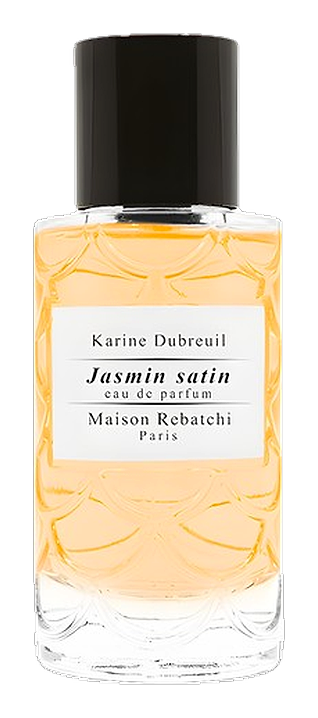
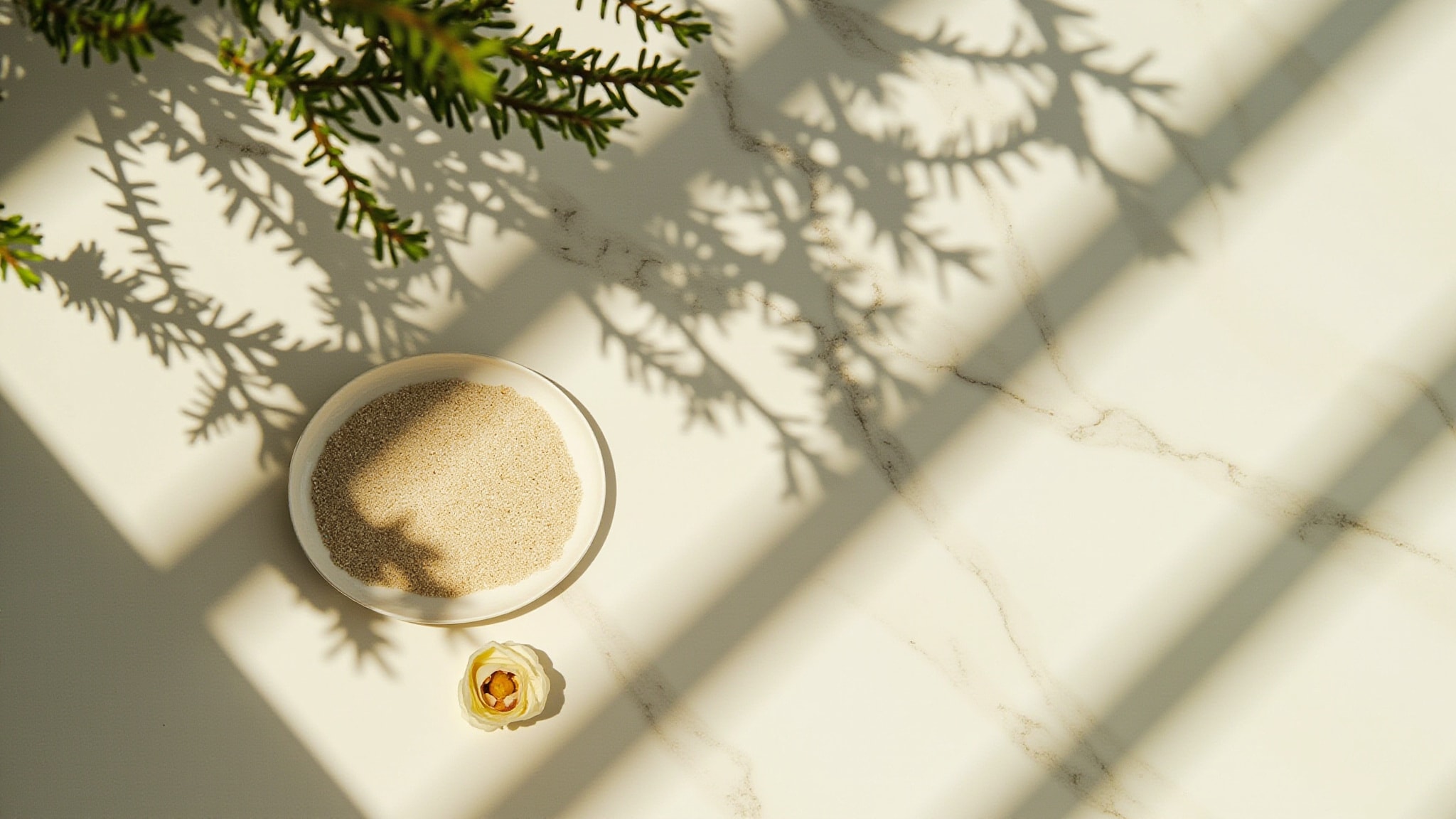
Jasmin Satin arrived in 2019 from Karine Dubreuil-Sereni, built on a simple premise: two jasmines, Sambac and Egyptian, given enough room to saturate a composition without fighting each other. The brand's own language frames the fragrance around a specific coastal moment, the sea catching light, cedar branches filtering it, and Dubreuil-Sereni translated that into a pyramid that opens green and woody before folding into a heart dense with white florals and wild peach. What separates this from a standard jasmine fragrance is the decision to anchor the florals in sand and cedar rather than the expected cream or skin-musk base, giving the composition a mineral undertone that keeps the sweetness from becoming weightless. The perfumer understood that jasmine grown near water carries a different character than jasmine in abstract form, less heady, more luminous. She built the rest of the structure to honor that difference.
The wild peach in the heart is the unexpected move. Jasmine fragrances rarely include stone fruit, it risks reading juvenile, or worse, candy-like. Here the peach amplifies the florals' natural sweetness without competing for attention. It threads through the jasmine and orange blossom like a quiet signal, making the entire heart feel sunlit rather than heavy. Then there's sand as a base note, which is genuinely unusual. Most fragrances use sandalwood or amber or musk to ground white florals. Sand brings something mineral and almost geological, the smell of warm stone after a wave has retreated. It anchors the jasmine, keeps it from floating into abstraction.
The evolution
Gardenia leaf opens first, green, slightly sharp, like cutting stems in a warm room. Palisander Rosewood sits beneath, adding a woody brightness that keeps the gardenia from being too green. Within fifteen minutes, the jasmine takes over. Not one but two varieties, layered so they read as a single saturated floral note. The wild peach arrives next, sweetening the jasmine just enough that it feels playful rather than precious. Orange blossom and lily deepen the heart, adding a creamy undertone that pushes the composition toward warmth. By the second hour, the base begins to assert itself. Sand appears first, mineral, dry, like the smell of warm stone. White amber and musk follow, creating a skin-close warmth that doesn't project aggressively but announces presence in intimate spaces. Cedar arrives last, settling into the drydown as a quiet anchor. Six to eight hours later, the cedar and musk remain. A ghost of jasmine still faintly present on skin the next morning.
Cultural impact
The jasmine-peach pairing marked a deliberate shift away from the amber-heavy aesthetic common in 2010s niche perfumery, opting instead for a luminous, translucent floral signature that challenged market expectations. The 2019 launch coincided with a broader cultural movement toward lighter, more intimate fragrance profiles. Jasmin Satin arrived during a period when independent perfumers began redefining luxury through restraint rather than sillage, and the fragrance embodied that tension perfectly. Its moderate projection and skin-close drydown reflected changing social norms around scent in shared spaces, particularly in professional environments where fragrance etiquette became increasingly discussed.