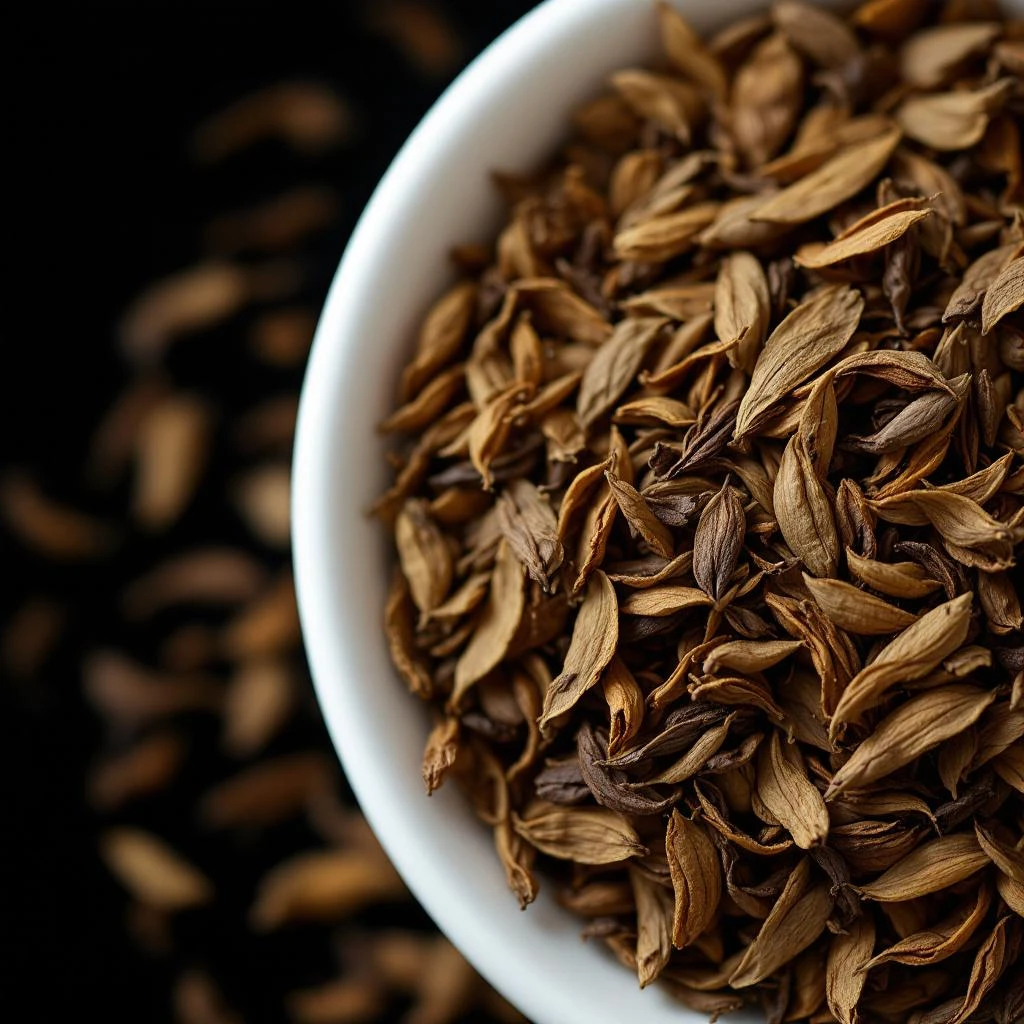
Gardenia Leaf
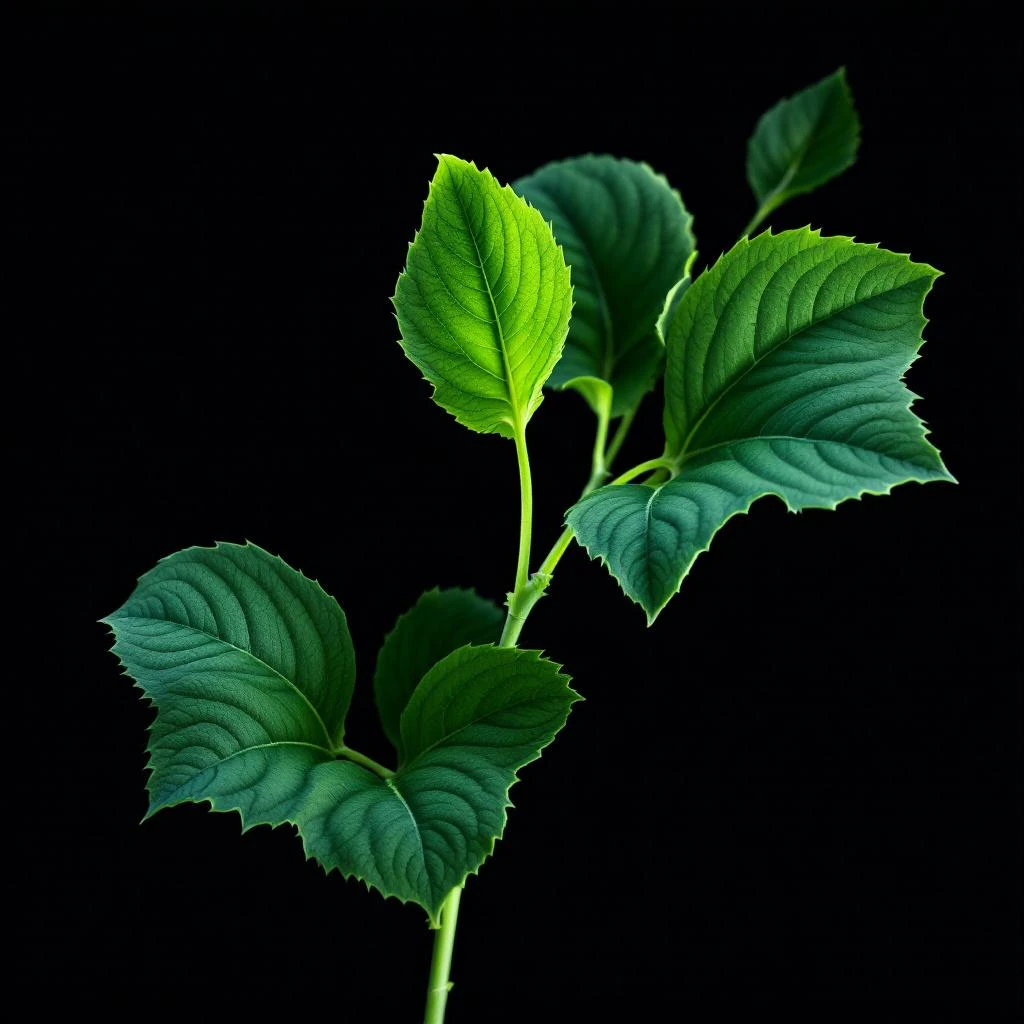
The overlooked counterpart to gardenia's famous flower, gardenia leaf offers a sharper, greener aromatic profile that brings unexpected freshness to fragrance compositions.
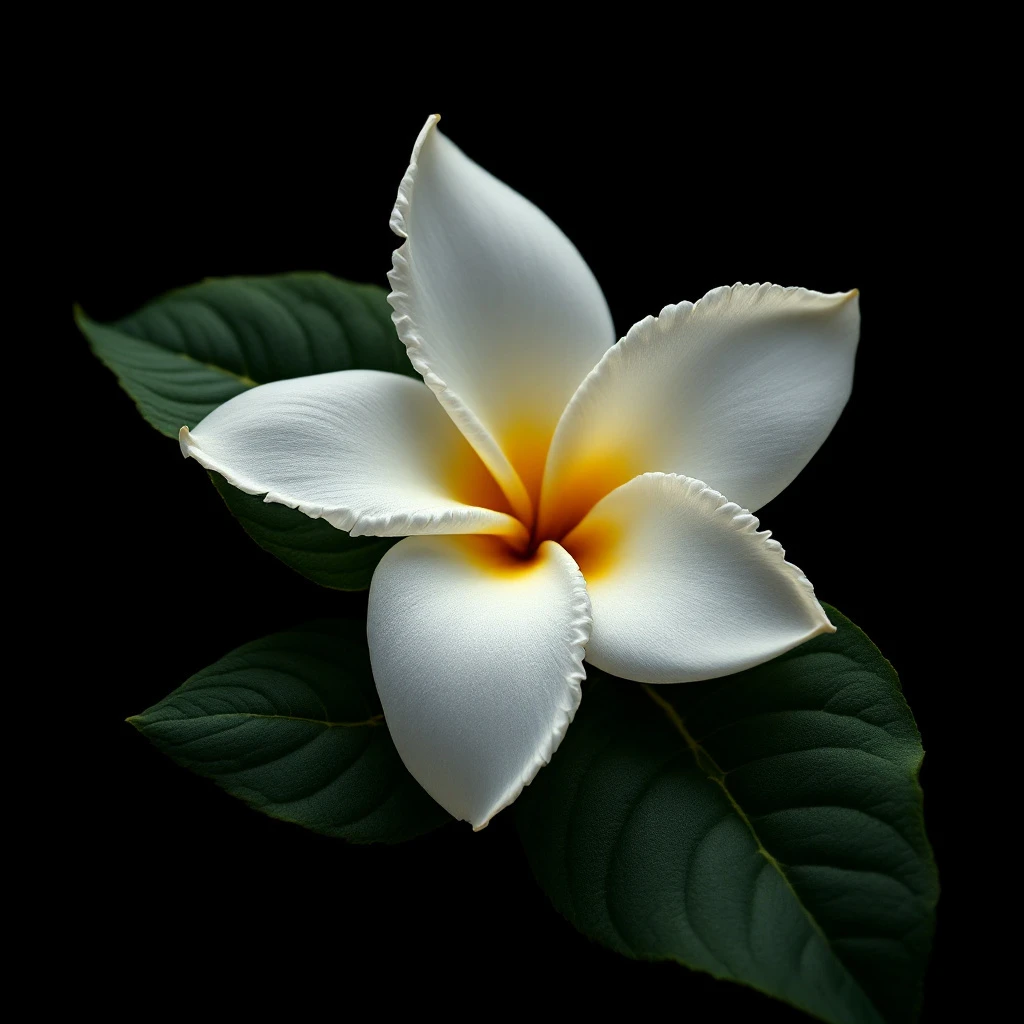
Character
How it smells
The green, verdant echo of gardenia's bloom.
Gardenia leaves contain different aromatic compounds than the flower, producing a distinctly herbal, almost cucumber-like freshness rarely found in the blossom.




Origin
China
While gardenia flowers captured perfumers' imagination starting in the early 20th century, the plant's leaves remained largely uncelebrated until modern natural perfumery revived interest in complete botanical use. Ancient Chinese perfumers occasionally incorporated gardenia foliage into incense blends, recognizing that the leaf offered a different aromatic dimension than the celebrated bloom.
The name gardenia honors Dr. Alexander Garden, the Scottish-American botanist who documented the species in the 18th century, though the plant had been cultivated across East Asia for centuries before European botanical science took notice.
Wears it best
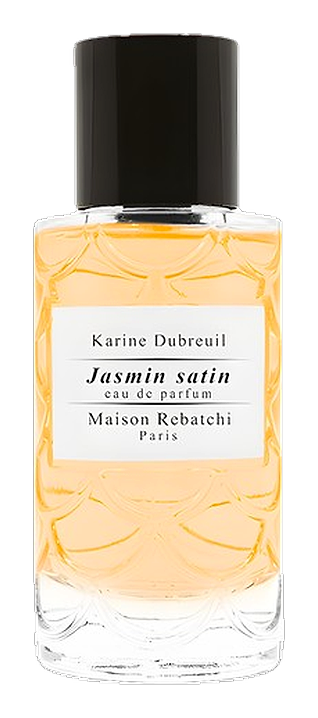
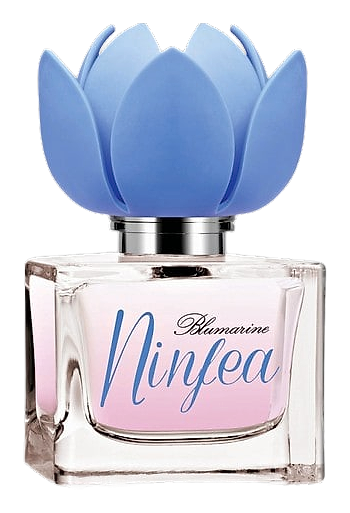
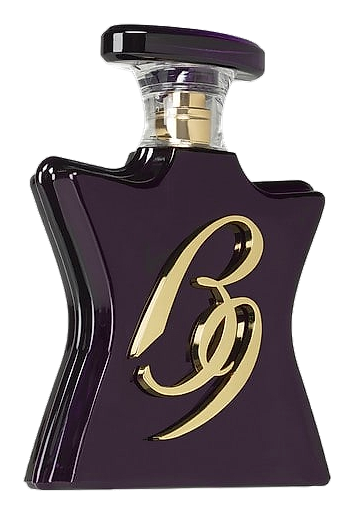
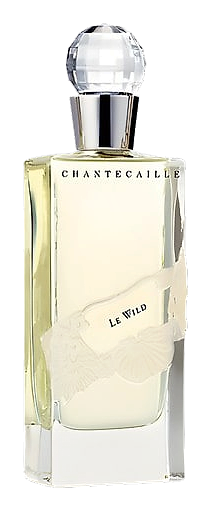
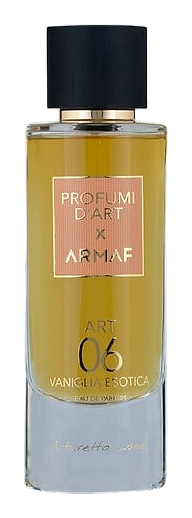
Fragrances featuring Gardenia Leaf
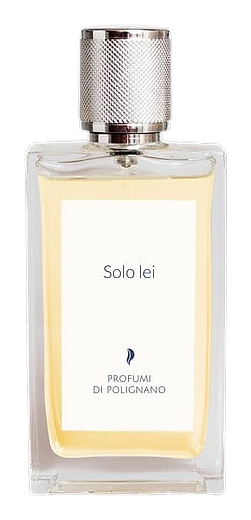
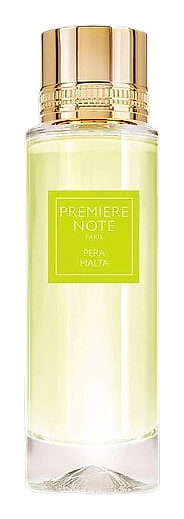
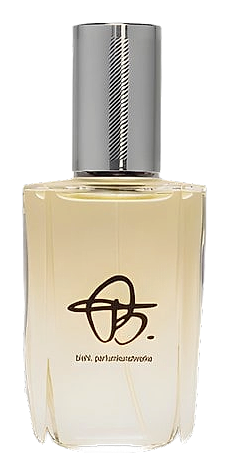
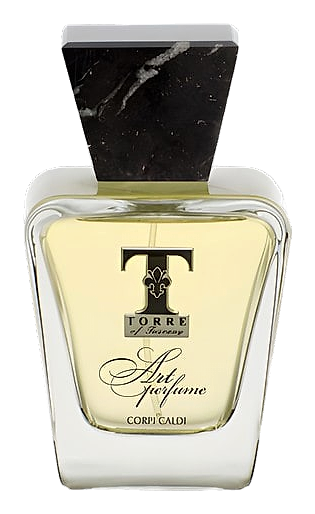
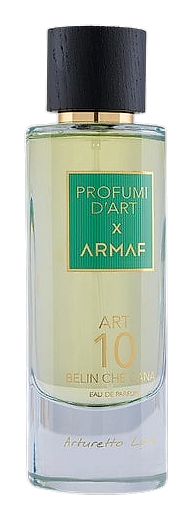
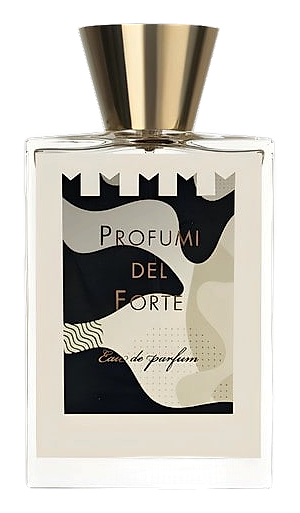
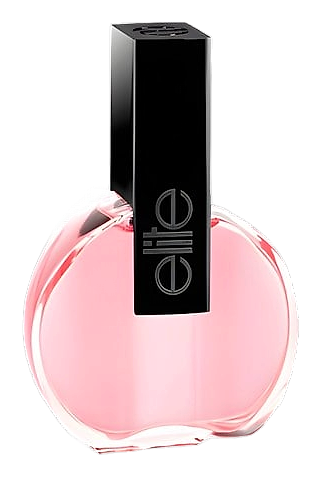
Brands
Brands known for Gardenia Leaf
Good to know
Questions, answered
The essentials on Gardenia Leaf in perfumery: how it smells, where it comes from, and how it behaves on skin.
Is gardenia leaf extract natural or synthetic?
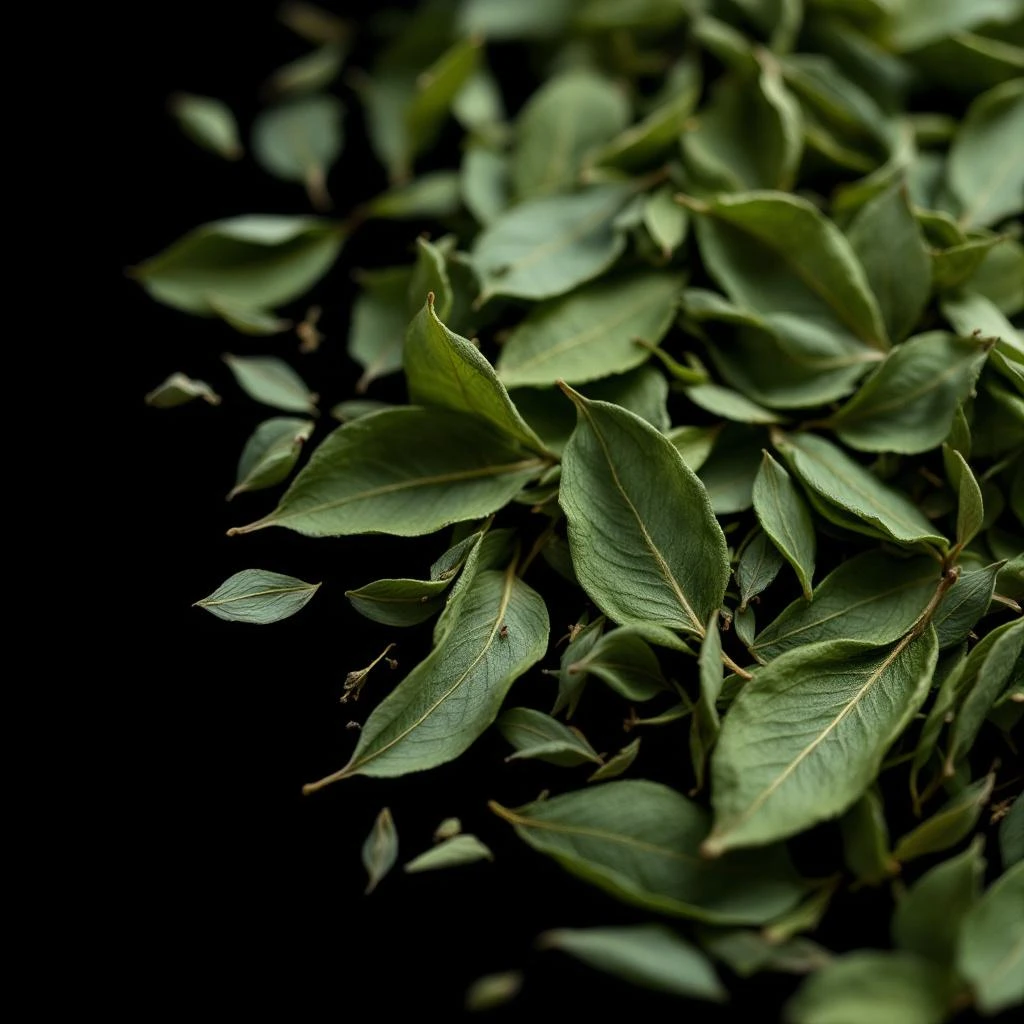
Natural gardenia leaf extract exists and is obtained through solvent extraction or hydrodistillation of the plant's foliage. This makes it distinct from gardenia flower accord, which must be recreated synthetically.
How does gardenia leaf smell compared to gardenia flower?
Gardenia leaf smells green, herbal, and slightly bitter, evoking cut stems and cucumber skin. The flower, by contrast, offers creamy, indolic sweetness with tropical fruit notes.
Why is gardenia leaf used in perfumery when the flower is more famous?
Perfumers use gardenia leaf to add freshness, naturalness, and a green counterpoint to rich floral heart notes. It provides verisimilitude that synthetic green notes often lack.
Can gardenia leaf be extracted at scale?
Yes, unlike gardenia flowers which resist commercial extraction, gardenia leaves can be processed through conventional methods, making the ingredient more accessible to perfumers.
What fragrance families pair well with gardenia leaf?
Gardenia leaf works especially well in green, chypre, and white floral compositions where it reinforces natural, garden-fresh character without overpowering delicate flower notes.
Does gardenia leaf contain the same aromatic compounds as the flower?
No, the leaf contains different volatile compounds including chlorophyll-derived molecules and various green note constituents that produce its characteristic herbal freshness.
Is gardenia leaf a traditional perfumery ingredient?
Gardenia leaf has only recently gained recognition in Western perfumery, though ancient Chinese incense traditions occasionally incorporated gardenia foliage alongside the flowers.
How much gardenia leaf is typically used in a fragrance?
Gardenia leaf extract serves as an accent note rather than a main component. Perfumers typically use small percentages to add subtle green depth and botanical authenticity.