
The Story
Why it exists.
The beginning
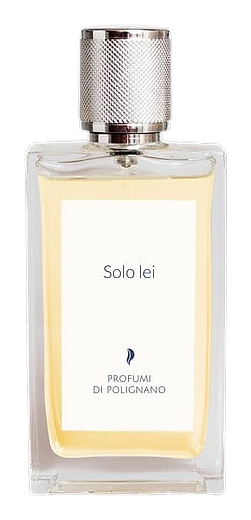
Solo Lei arrived in 2018 as part of Profumi di Polignano's debut collection, crafted by perfumer Arturetto Landi. Named for the Italian for 'only you,' it was conceived as a portrait of Mediterranean femininity, not the postcard version, but the felt version. The coastal town of Polignano a Mare provided the atmosphere: sea-salt air, limestone heat, white stone reflecting midday light. Landi wanted a fragrance that captured that particular light, the kind that makes everything look sharper and more alive. The name itself carries intent. 'Solo Lei' means 'only her' or 'only you', a fragrance built around one specific idea of presence. Not performative femininity, but something quieter and more certain. The white florals anchor that intention: gardenia, jasmine, tuberose, each carrying their own weight without needing to compete for attention.
What makes Solo Lei distinctive is how it handles white florals, gardenia especially. Instead of using it as a bright accent note that disappears, Landi builds the entire composition around it. The gardenia repeats in both the top and heart, giving the fragrance a structural consistency that holds everything else in place. The tuberose doesn't arrive as a showstopper. Reviewers note it behaves, talks with the other notes rather than over them. The jasmine adds creaminess without going indolic. Coconut and peach provide sweetness, but the word that keeps appearing is 'clean.' These fruits don't read as syrupy or dessert-like. They read as fresh.
The evolution
The opening is gardenia and coconut, bright, slightly sweet, immediately present. The peach and plum arrive together, adding softness without pushing into gourmand territory. For the first thirty minutes, it's a clean white floral with tropical undertones. The gardenia stays consistent. The heart phase introduces jasmine and tuberose. They don't replace the gardenia, they layer with it. The white floral bouquet becomes creamier, warmer, but maintains that clean character the opening established. This is the phase that earns the 'not cloying' descriptor. The tuberose especially behaves; it doesn't take over, it harmonizes. This phase carries for several hours. The base is where musk, ambergris, and cedar arrive. The cedar emerges as the florals begin to recede, adding a dry mineral quality. The ambergris stays subtle, it's there, it adds warmth, but it doesn't dominate. Musk keeps everything close to the skin. The drydown reads as clean, warm, and intimate rather than loud.
Cultural impact
Solo Lei occupies a specific position among white floral fragrances, not the opulent, room-filling tuberose of traditional compositions, but something cleaner and more restrained. It appeals to wearers who want the beauty of white florals without the performance. The Mediterranean framing adds context: this is gardenia as it exists in southern Italian heat, not as it exists in a climate-controlled boutique. Wearers describe it as the fragrance for someone who wants to smell unmistakably floral but not overwhelming.